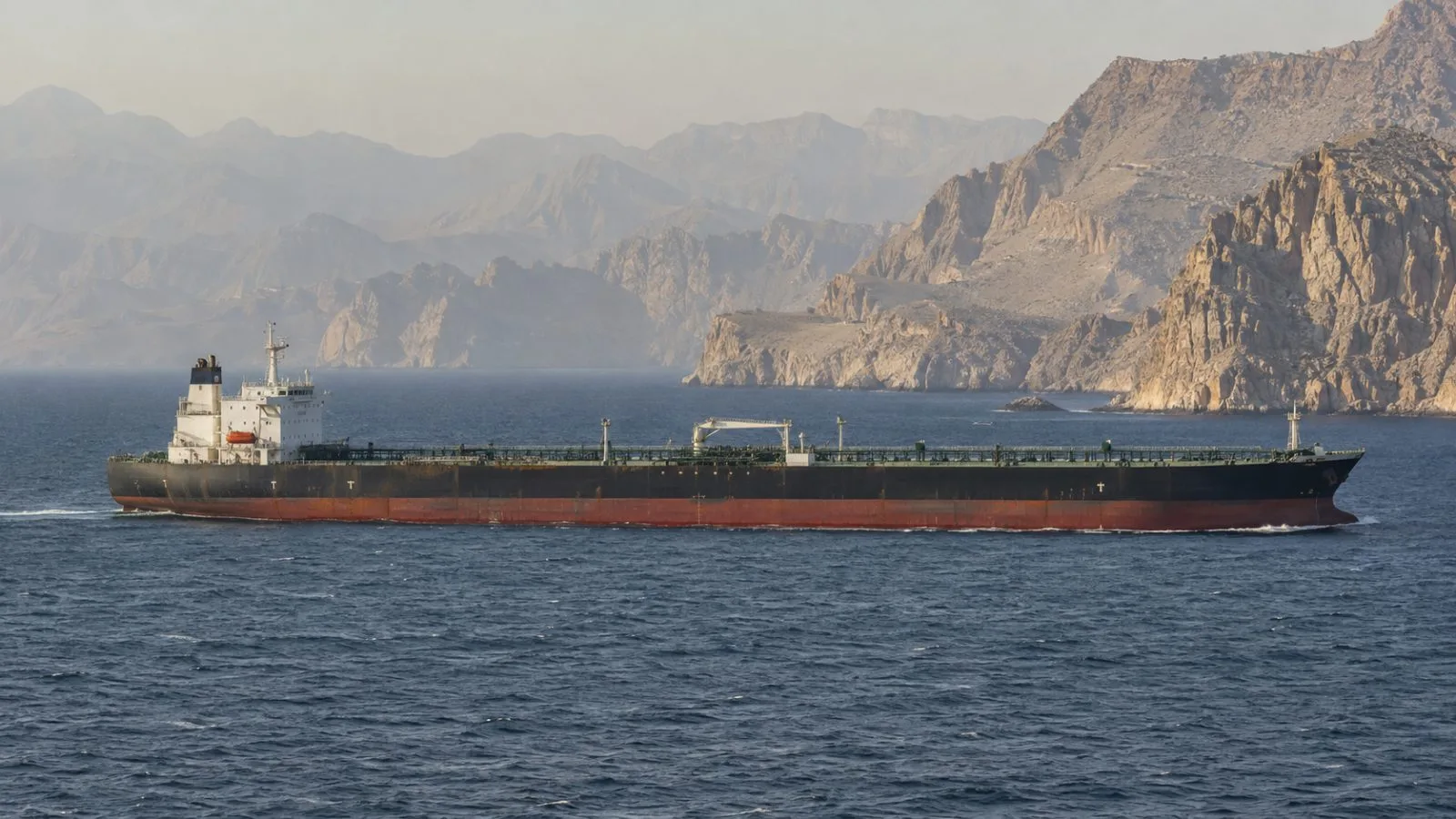
Uncertainty over Middle East oil supply returned to markets Wednesday, when the U.S. crude benchmark traded above $100 as investors assessed Iran tensions and an unverified claim about a Saudi refinery.
In a Reuters snapshot timestamped 01:40 UTC Wednesday (9:40 p.m. ET Tuesday), West Texas Intermediate (WTI) was priced at $101.12 per barrel, a gain of $1.22, or 1.22%. Brent crude futures were $115.36, up 1.3%, at that time, Reuters reported. An FXStreet update published at 11:23 UTC (7:23 a.m. ET) Wednesday showed WTI near $101 with a 1.42% gain. The readings were taken at different times.
Saba, a Houthi-run news agency, carried military spokesperson Yahya Saree’s claim that the group struck Ras Tanura with a ballistic missile and caused a fire. Reuters reported that the refinery can process 550,000 barrels of oil per day and underwent a temporary closure earlier in the Iran war as a precaution. Saudi Civil Defense tied damage reported in Riyadh on Tuesday, Oct. 27, to debris from two intercepted ballistic missiles. It listed a building, a construction project and a vehicle among the damaged property. The statement did not address Ras Tanura, and The Associated Press said it could not verify Saree’s claim.
The Wall Street Journal reported, citing people briefed on discussions, that the United States told Gulf Arab governments to prepare for a possible brief, intensive operation against Iran after the Nov. 3 midterm elections. The Journal said U.S. President Donald Trump had yet to decide whether to authorize a strike. In a Wednesday speech, Israeli Prime Minister Benjamin Netanyahu described an opportunity for Israel and Trump to confront what he called an existential threat from Iran. He gave no timetable for military action.
Reuters’ account, based on information from three people familiar with OPEC+ discussions, said the group was expected to leave December production limits unchanged when it meets Sunday, Nov. 1.