West Texas Intermediate (WTI) was reported near $83 a barrel Thursday as shipping concerns around the Strait of Hormuz met expectations for a global oil surplus, a balance relevant to U.S. energy markets and consumers. FXStreet reported the price move, which has not been verified, and said WTI was down more than 5% over the week.
The outlet put WTI’s session high just above $83, after the benchmark touched a low near $81.20 Wednesday. Those levels and the weekly decline are single-outlet reports from FXStreet.
The International Energy Agency (IEA) said in its November Oil Market Report that the global oil market is expected to return to surplus in the fourth quarter of 2026, with a larger supply build in 2027. It projects demand will fall by 2.7 million barrels a day in 2026 to 102.3 million barrels a day, then rise by 2 million barrels a day in 2027. EconoTimes previously covered the IEA’s surplus outlook in an earlier report.
U.S. Energy Information Administration (EIA) data showed commercial crude inventories, excluding the Strategic Petroleum Reserve, increased by 3.4 million barrels to 417.8 million barrels in the week ended Nov. 13. Total crude stocks, including the reserve, rose by 0.2 million barrels to 694.2 million barrels.
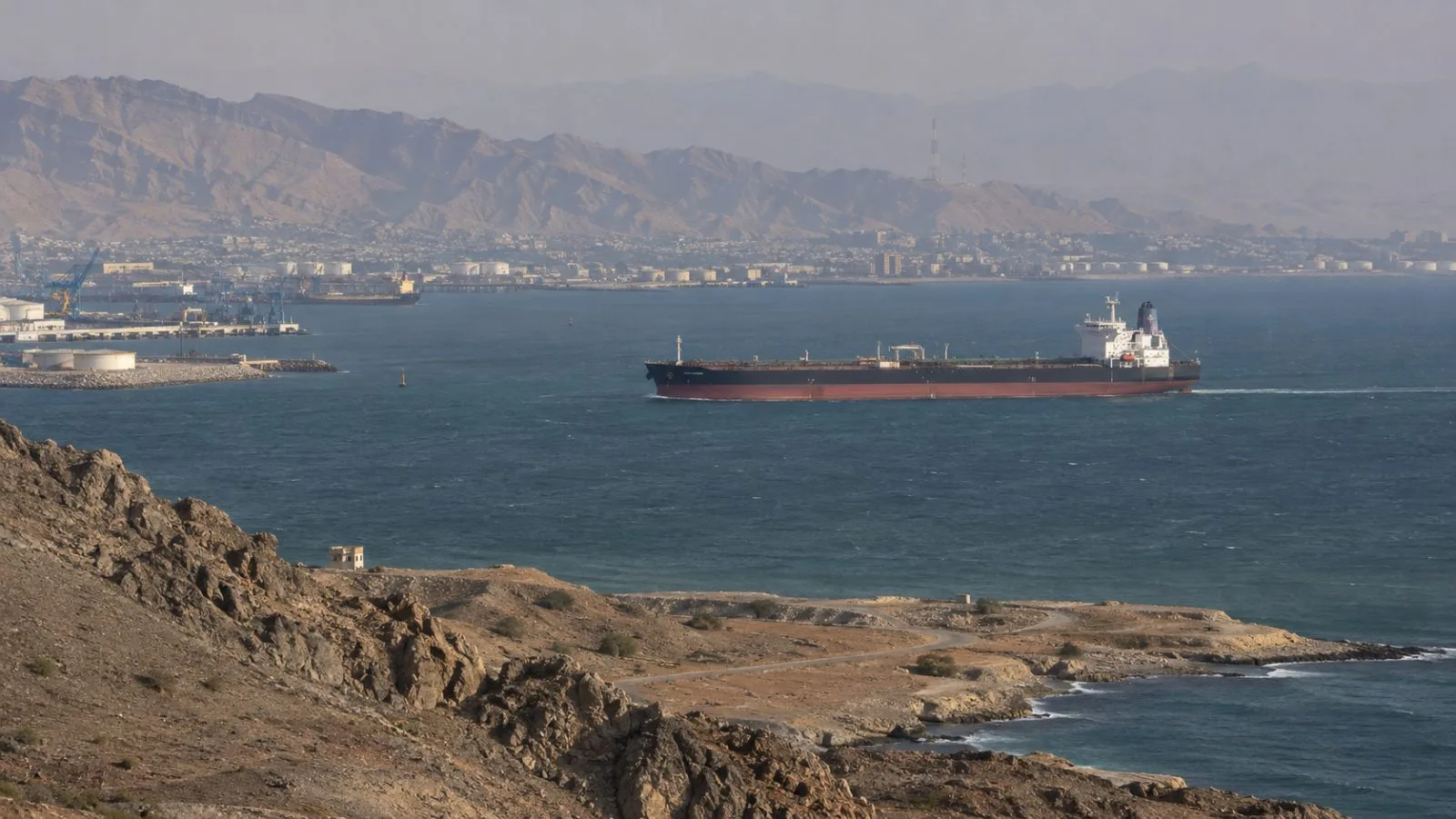
Shipping risks also featured in FXStreet’s account. The outlet reported that Iran’s Islamic Revolutionary Guard Corps said two tankers struck sea mines while crossing the strait; that mine-strike claim is unverified. United Kingdom Maritime Trade Operations (UKMTO) logged a tanker incident in the area involving an unknown projectile, without confirming a mine strike.
The IEA’s World Energy Outlook 2026 said the Middle East conflict cut global oil supply by as much as 16 million barrels a day at its peak. The agency described the disruption to oil and gas supplies as “the largest energy security threat that the world has ever faced.”