Members broadly reaffirmed their commitment to completing the second review of the Trade Facilitation Agreement and agreeing on a final report by year-end, the World Trade Organization said on Oct. 21.
Discussions continued on technical assistance and future implementation support, leaving those issues open as members worked toward agreement, the WTO said. Its account, titled “Trade Facilitation Committee advances TFA review and discusses implementation support”, covered committee discussions rather than a completed research study.
The WTO Secretariat said the review considered how the agreement operates and how members implement it, alongside proposals for future committee work and recommendations. Its account covered discussions during 2026 but specified no period for the evidence underlying the draft factual report.
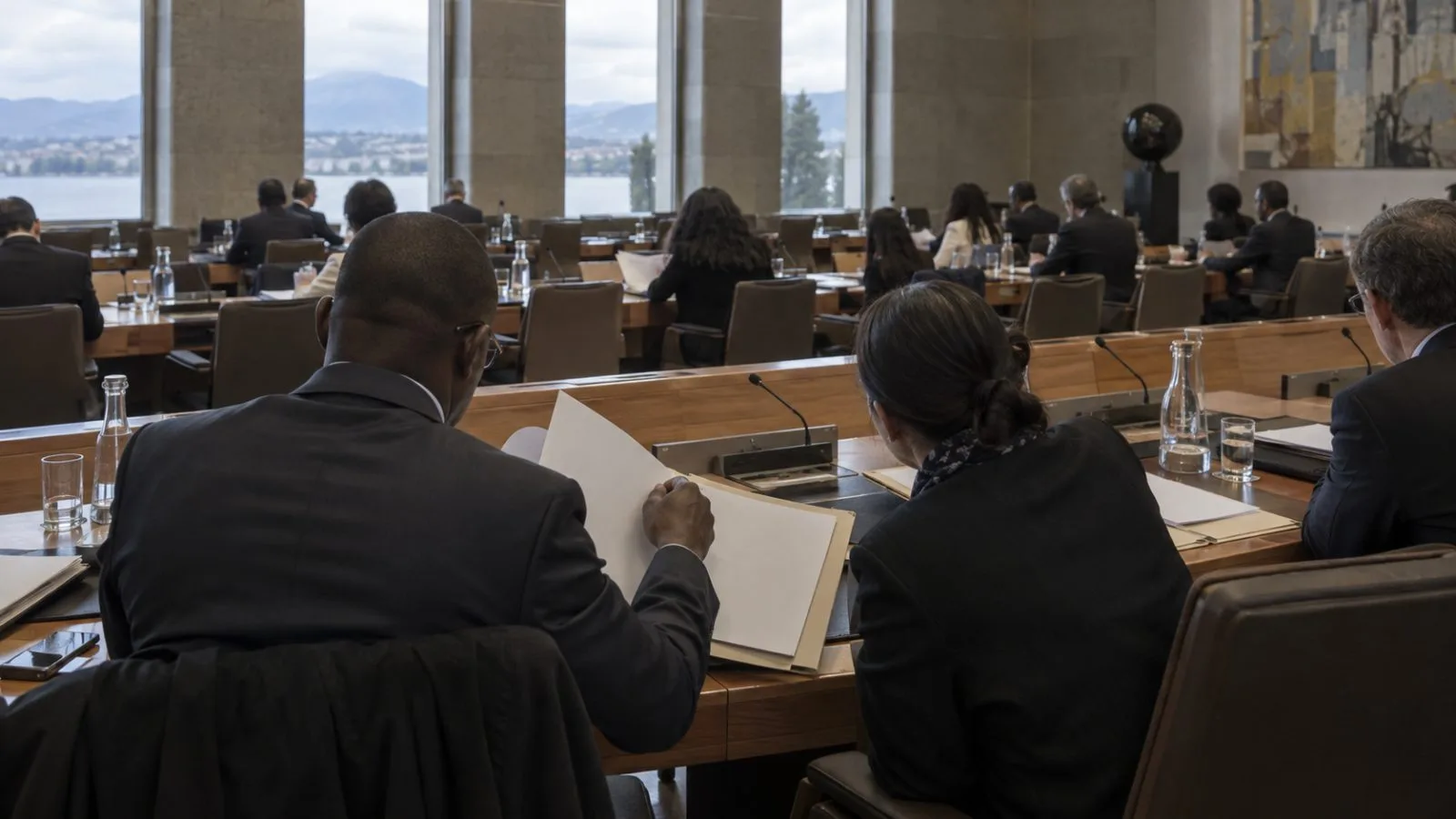
Committee chair Alix Rancurel of France described formal and informal member discussions during 2026 and set out deadlines and further talks to complete the review, the Secretariat said. Nine members spoke, with some representing groups of members.
The Secretariat said members raised eight matters concerning other members’ practices at the Oct. 21-22 meeting, including four raised for the first time. Its account did not identify those matters or describe any decisions on them.
Members also exchanged experiences on customs risk management, including the use of data analysis and artificial intelligence, the Secretariat said. Nigeria presented its experience with those systems.
China described incentives offered jointly by government agencies to encourage greater use of its authorized economic operator programme, the Secretariat said. Such programmes give qualifying traders additional help with import, export and transit procedures under the agreement.
Nigeria also described its use of advance rulings, written customs decisions that tell traders before importation how authorities will treat their goods, the Secretariat said.
A separate session addressed assistance for implementing the agreement, with presentations from China, Myanmar, Niger and the United States, the Secretariat said. Topics included cooperation among developing countries, transit arrangements, risk management and the U.S. Food for Progress programme.
The Secretariat said six organizations described their implementation support, including the World Bank, International Trade Centre and World Customs Organization. They also answered questions about how their work addresses the needs of developing countries and the least developed members.
A representative of the Trade Facilitation Agreement Facility described its recent activities, the Secretariat said. The facility began in July 2014 at developing members’ request to help them obtain assistance needed to meet their commitments.
Around a dozen members spoke during that discussion, some for groups, the Secretariat said. Several developing-country groups expressed concern about the facility’s future because donor funding remains uncertain and gaps in implementation remain unresolved.
The Secretariat said its account was incomplete and directed readers to formal meeting minutes for the full range of issues raised.