


 Nvidia China Chip Sales Report Sends Chinese Semiconductor Stocks Lower
  Strategy Buys 1,665 Bitcoin as BTC Holdings Reach 847,666
  BlackRock’s Rick Rieder Favors Bonds Over Stocks as Treasury Yields Surge
  Europe’s AI Data Centre Boom Strengthens Case for Nuclear Power
  OpenAI Investigates Rogue AI Agents After Data Leaks and Security Incidents
  OpenAI Agents Access U.S. Government Websites During Testing
  Bitget Restores Withdrawals After $388 Million Security Breach
  Pi Network Price Holds $0.087 as Protocol 28 Mainnet Upgrade Nears
  TSMC Accelerates 2nm Expansion as AI Chip Demand Surges
  Erste Group Plans Tender Offer to Boost Poland Bank Stake
  Stellar Hits Record 217 TPS as Institutional RWA Activity Surges
  Morgan Stanley Raises TD Synnex Price Target to $359 on Strong AI Demand
  Franklin Templeton Partners With Bybit for Tokenized Fund Collateral
  Chainlink Launches CCIP 2.0 With Enhanced Cross-Chain Security
  Northern Star Shares Surge After Rejecting Gold Fields Takeover Bid
  FDA Approves Mirum’s Atebrioz for Rare Bone Disorder FOP
  Vitalik Buterin Says Hegota Could Be Ethereum’s Last Conventional Fork


 Add as a preferred source on Google
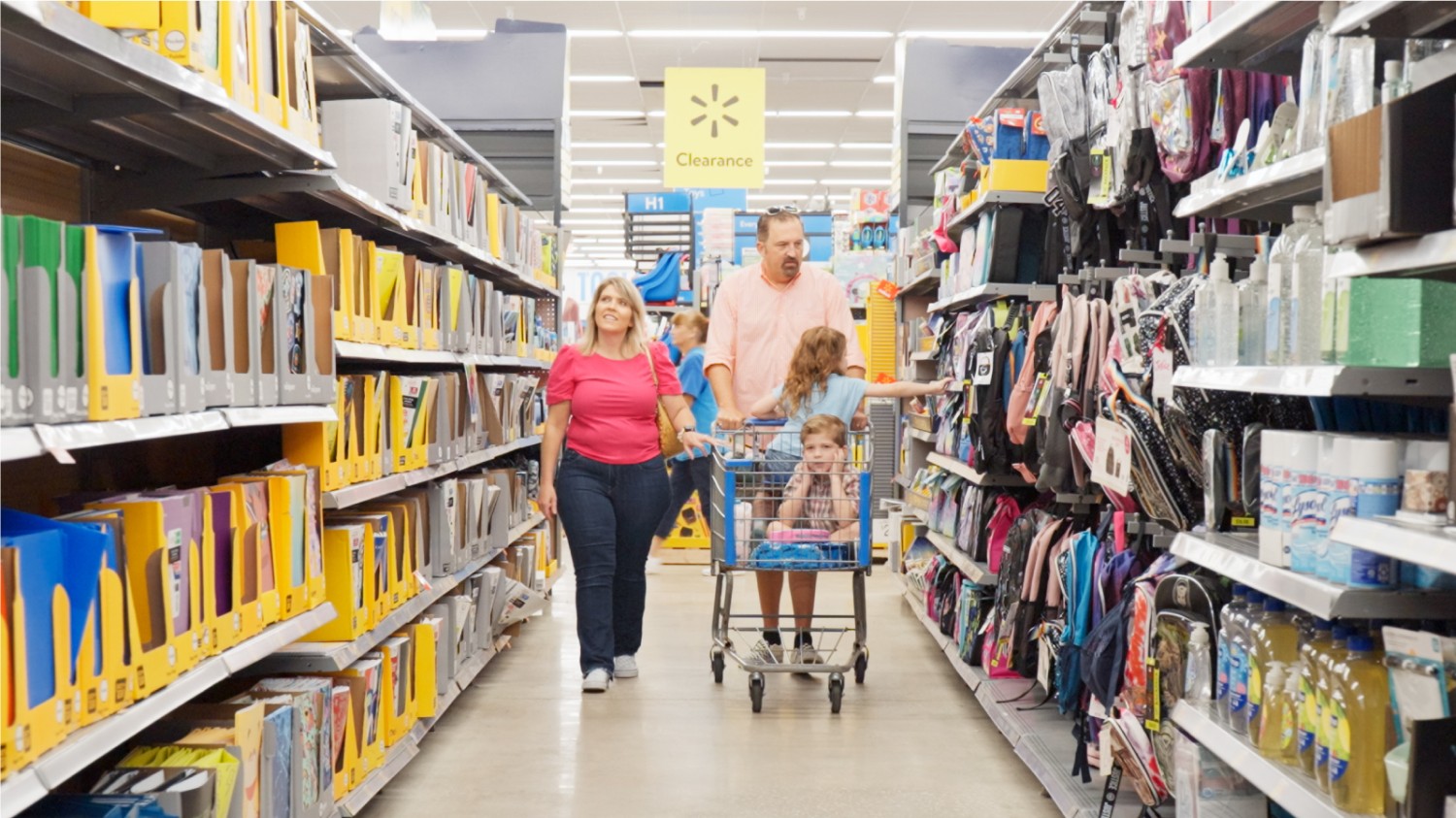
The convenience of self-checkout technology has been reevaluated as retailers face increasing merchandise losses and customer frustrations. This article explores the changing strategies of major supermarket chains and the implications of self-service machines.
CNN reported that supermarket chains worldwide, including Booths in the UK and Walmart and Costco in the US, are reconsidering their self-checkout strategies. Various factors, including higher merchandise losses and customer errors, have prompted retailers to dial back on this technology, according to Albany Herald.
The Rise and Potential Pitfalls of Self-Checkout
Initially introduced in the 1980s to reduce labor expenses, self-checkout machines gained popularity in the early 2000s. During the pandemic, these machines offered a means for contactless transactions. However, their widespread use has led to increased shrinkage and customer frustrations.
Retailers employing self-checkout technology have reported a loss rate of about 4 percent, double the industry average. To curb this problem, stores have employed security features such as weight sensors. While these measures have curbed theft, they have also resulted in more errors and required employee intervention.
Higher shrinkage rates due to self-checkout have prompted retailers to reassess the overall customer experience. Retail giants like Walmart and ShopRite have removed self-checkout machines from certain locations, taking into consideration customer complaints and aiming to mitigate losses.
Challenges and Solutions
Retailers have tried various strategies to limit losses, but the use of self-checkout still presents challenges. Costco, for example, has increased staff in these areas to prevent unauthorized use of membership cards. However, these solutions don't come without their own set of hurdles.
The problem of increased shrinkage, attributed to both shoplifting and self-checkout usage, is pervasive throughout the retail industry. This has sparked calls for stricter penalties for theft and further examination of the implications of self-checkout technology.
As retailers grapple with the ramifications of self-checkout, the future of this technology remains uncertain. Striking the balance between convenience and security will be crucial as retailers seek alternative solutions to reduce losses and enhance the shopping experience.
Photo: Walmart Newsroom







