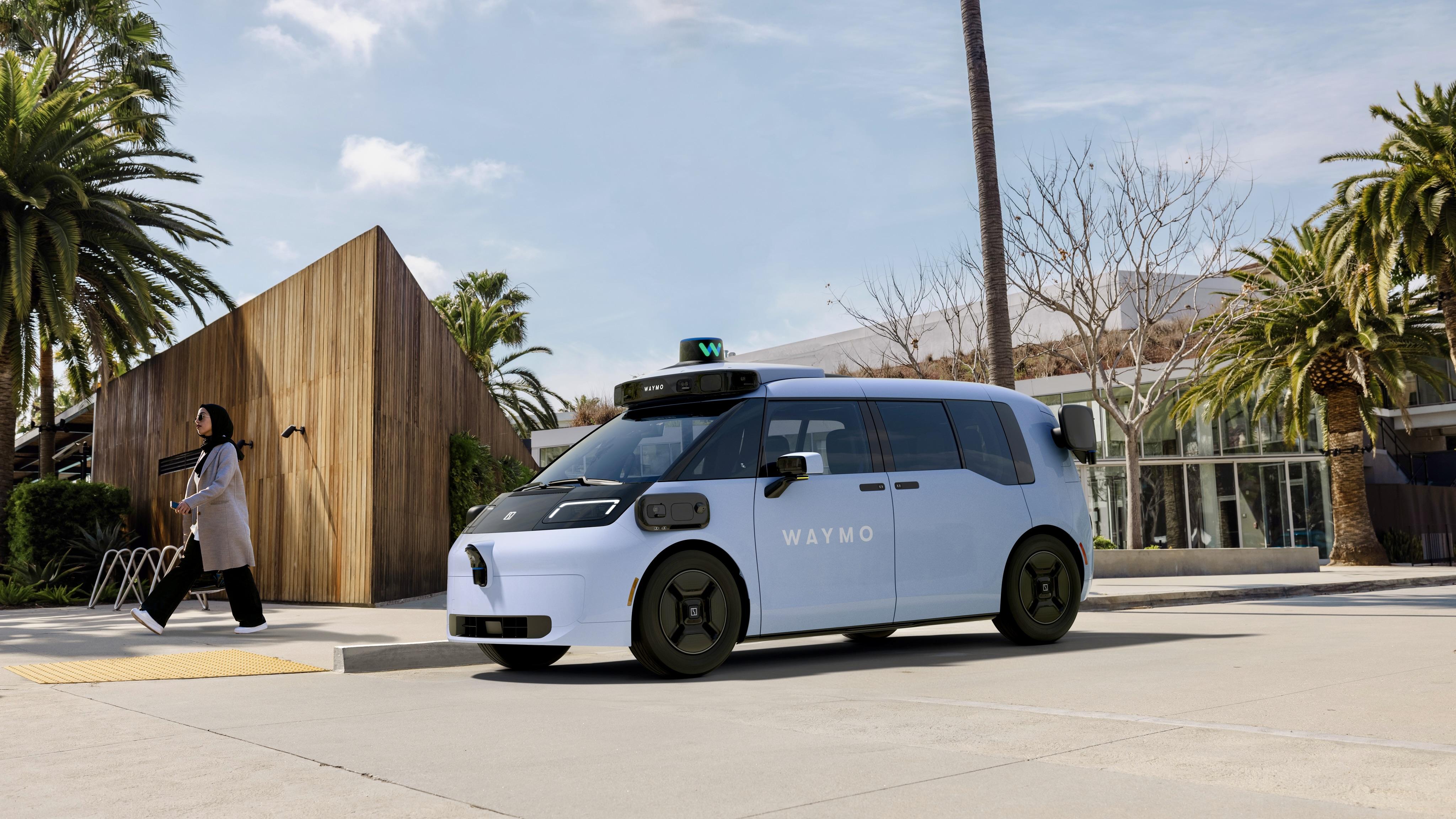
Alphabet-owned autonomous driving company Waymo announced plans to expand first responder engagement, strengthen emergency response protocols, and deploy software updates that will help its self-driving vehicles navigate intersections more decisively. The announcement comes after several Waymo robotaxis stalled across San Francisco following a major power outage over the weekend.
Waymo temporarily paused its ride-hailing service on Saturday evening after a fire at a Pacific Gas & Electric (PG&E) substation caused widespread power failures in San Francisco. The outage affected roughly one-third of the city, leaving about 130,000 residents without electricity and forcing some local businesses to shut down temporarily. During the outage, multiple Waymo autonomous vehicles were reported to have stopped operating normally in certain areas, raising concerns about how self-driving cars handle large-scale infrastructure disruptions.
In response, Waymo said it is taking steps to improve coordination with emergency responders to ensure clearer communication during incidents such as power outages, fires, or other citywide emergencies. The company plans to enhance its emergency response playbooks so that its robotaxis can better recognize and adapt to abnormal traffic conditions, disabled signals, and unexpected obstacles.
Waymo also confirmed it will roll out software updates designed to allow its vehicles to move through intersections more confidently when traffic signals are not functioning as expected. According to the company, these updates aim to reduce hesitation and prevent vehicles from stopping in ways that could disrupt traffic or block emergency access.
The incidents have drawn the attention of regulators. A California state regulator said on Monday that it is reviewing reports related to Waymo robotaxis stalling in parts of San Francisco during the outage. The review highlights growing scrutiny of autonomous vehicle safety and reliability as companies expand driverless services in major urban areas.
Waymo emphasized that safety remains its top priority and said it is working closely with city officials, utility providers, and regulators to minimize the risk of similar disruptions in the future. As autonomous vehicles become more common on public roads, the company acknowledged that adapting to rare but impactful events like power outages is critical to building public trust and ensuring smooth urban mobility.