


 Australia Consumer Confidence Plunges as RBA Rate Hike Hits Households
  FxWirePro: Daily Commodity Tracker - 21st March, 2022
  Fed Rate Hike Threatens Housing as U.S. Growth Leans on AI, Citi Says
  Trump Demands Powell Resign Over Fed Renovation Cost Overruns
  BlackRock’s Rick Rieder Favors Bonds Over Stocks as Treasury Yields Surge
  Fed’s Hammack Says More Data Needed Before Next Rate Move
  BOJ Signals Faster Rate Hikes as Inflation Risks Grow


 Add as a preferred source on Google
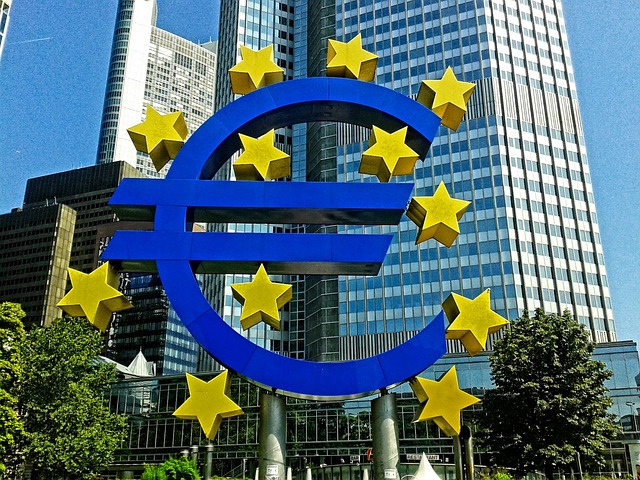
The euro has recovered notably since the spring and on a trade weighted basis it has now appreciated by approx. 4%. The data thus underlines why ECB President Mario Draghi is likely to be so keen for the euro to return to its depreciation trend at present: not only as it will provide a quick relief on the inflation front due to higher import prices but also due to the pleasant side effects for the export sector.
However, the data was not entirely uninteresting. It illustrated how the industry in both regions is coping with the head winds caused by the struggling export markets, in particular the Emerging Markets. It is very obvious that the industrial sector in the euro zone is notably more robust than its counterpart in the US. The ISM index has been easing notably, in particular since the summer, while the index for the euro zone has been stable. This is due to the strong US dollar and the weak euro respectively. However, in particular in the euro zone the currency effect should start to fade in the near term, argues Commerzbank.
"If anything a strong industrial sector can only support inflation developments. And in view of the fact that the outlook remains uncertain for the important export markets of the euro zone a weak euro is no doubt a good reinsurance strategy", says Commerzbank.

- News

- Economy

- Central Banks
- Investing
- Research
- Roundups
- Digital Currency
- Insights
- Technical Analysis
- Technology
- Business
- Law
- Health
- Nature
- Fintech
- Science
- Topic
- Opinions
- ©Econometrics LLC . All Rights Reserved.
Weak euro with nice side effects for ECB
Tuesday, November 3, 2015 8:43 AM UTC
Editor's Picks



- Market Data
Most Popular




