


 Bangladesh GDP Growth Accelerates to 4.6% on Industrial Rebound
  Mike Rogers Calls for End to US-Canada Tariff War
  Gold Prices Hit One-Week High as Oil Falls, Fed Rate Outlook Weighed
  Yen Sinks as BOJ Rate Hike Fails to Impress Markets
  Trump Secures Russian Diesel Deal as US Fuel Prices Surge
  RBI Uses $10 Billion Currency Swaps to Drain Excess Rupee Liquidity
  Oil Prices Trim Gains After Trump Rules Out Iran Strikes Before Midterms
  Asian Currencies Mixed as Yen Weakens, Dollar Holds Firm
  RBI Rate Hike Bets Surge as Inflation Rises
  US Treasury Yields Ease After Strong 10-Year Auction as Global Bonds Struggle
  US Dollar Rises for Fourth Week as Fed Rate Hike Bets Grow
  Fed Unveils Stablecoin Rules Under GENIUS Act
  Australia Consumer Confidence Plunges as RBA Rate Hike Hits Households
  European Stocks Fall as Oil Rises Ahead of Fed Minutes
  Gold Prices Rise as Hormuz Tensions Fuel Inflation Risks


 Add as a preferred source on Google
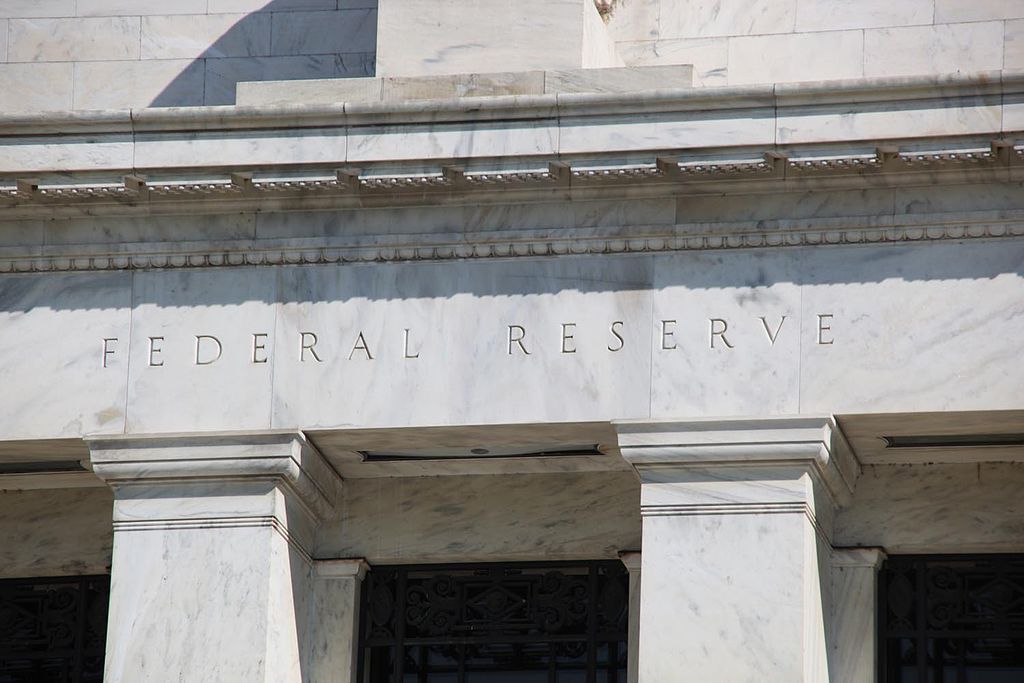
The Federal Reserve’s latest interest rate hike could deepen the U.S. housing downturn while making economic growth increasingly reliant on artificial intelligence investment, according to Citi Research.
The Fed raised its benchmark interest rate by 25 basis points this week to a target range of 3.75%-4%. Fed Chair Kevin Warsh described the increase as removing a “dose of accommodation” and pointed to rising energy costs as a factor behind the decision. He also indicated that further monetary tightening remains possible, saying the move was “starting to show we are serious.”
Citi expects cooling inflation to allow the Federal Reserve to keep rates unchanged over the coming months before beginning rate cuts next year. However, the bank said Warsh’s hawkish comments have increased the possibility of another near-term rate hike, potentially as soon as October.
Higher short-term rates and rising U.S. Treasury yields are already tightening financial conditions for consumers and companies. The U.S. 10-year Treasury yield recently stood near 5%, increasing borrowing costs across mortgages, auto loans and corporate credit.
Citi said tighter monetary policy is unlikely to significantly slow AI-related capital spending, which remains a major source of U.S. economic growth. Analysts argued that a substantial equity market correction or widening corporate credit spreads would probably be required to meaningfully restrict investment by major technology companies and hyperscalers.
Other areas of the economy face greater pressure. Elevated mortgage rates could push the U.S. housing market further into contraction, while debt-dependent manufacturers may face tighter margins and weaker capital expenditure. Hiring could also soften as businesses contend with higher financing costs.
Citi warned that this divergence could leave the U.S. economy increasingly dependent on AI investment. As higher borrowing costs constrain housing, consumer spending and traditional industries while technology investment remains resilient, economic growth could become more vulnerable to disruptions affecting the AI boom or broader financial markets.







