


 What is Zionism? The different meanings of a contested term
  1 in 3 uni students experience serious financial hardship. Could concession cards for all help?
  Who should own the knowledge that underpins AI technology?
  China’s robots can run faster than Usain Bolt – now they are being prepared for war
  ‘Buy now, pay later’ doesn’t feel like debt. For young people, that can be a big problem
  Unsustainable – or manageable? We don’t yet know how data centres will impact Australia’s environment


 Add as a preferred source on Google
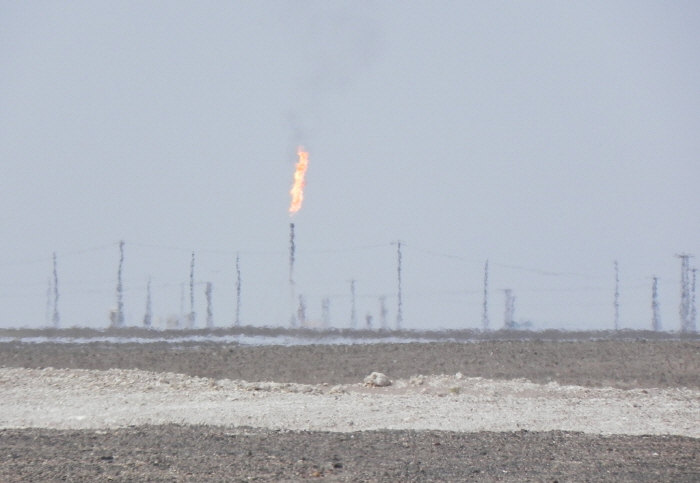
The crude oil prices rose early on Tuesday as some analysts said markets might not be quite as oversupplied as suggested by many, with global inventories rising less than expected ahead of the high-demand winter heating season in the northern hemisphere.
The balance of risks for crude oil prices have largely swung from bearish to constructive over the last two weeks as OPEC producers left sideline meetings in Algiers with a commitment to cut production.
The Organization of the Petroleum Exporting Countries (OPEC) will meet on Nov. 30 to discuss a planned output cut of around 1 million barrels per day away from its record 33.6 million bpd production in September.
As bullish price risks in oil have quickly escalated, we have decided to revisit the implications for metals fundamentals and prices.
It’s important to add the caveat that mining companies typically source power and fuel on long-term contracts, meaning a significant time lag exists between changes in oil prices and impacts on mining costs.
Nonetheless, higher oil prices will eventually feed through to relatively higher cost pressure; however, the impact is quite muted.
Even amidst a very bullish scenario of $70/bbl oil, 2017 C1 costs at most would rise about 1% to 3% relative to the base case.
From a more macro perspective, simply examining the outright price history of oil and copper appears to reveal a decent correlation between the two. However, a more rigorous analysis regressing the daily log changes between the two price series since 2000 reveals that daily changes in oil prices have historically explained only 10% of the daily moves in copper prices, hardly a strong relationship.
Likely, the reason that both price series appear to track one another over the long term is the fact that the demand outlook for both is largely determined by the health of the global economy.
Were the recent bullish shifts in oil price risk demand-driven, the implications for metals would merit much deeper analysis, in our opinion. However, as they are predominately supply-driven, we think the macro implications on copper and the rest of the industrial metals are diminished.
Higher oil prices also have the potential to bring about relatively greater stability in the economies of some large EM countries as well as the potential for higher inflation. If anything, given the importance of EM infrastructure demand overall, this skews towards minor constructive risks being added to our outlook for metals demand.







