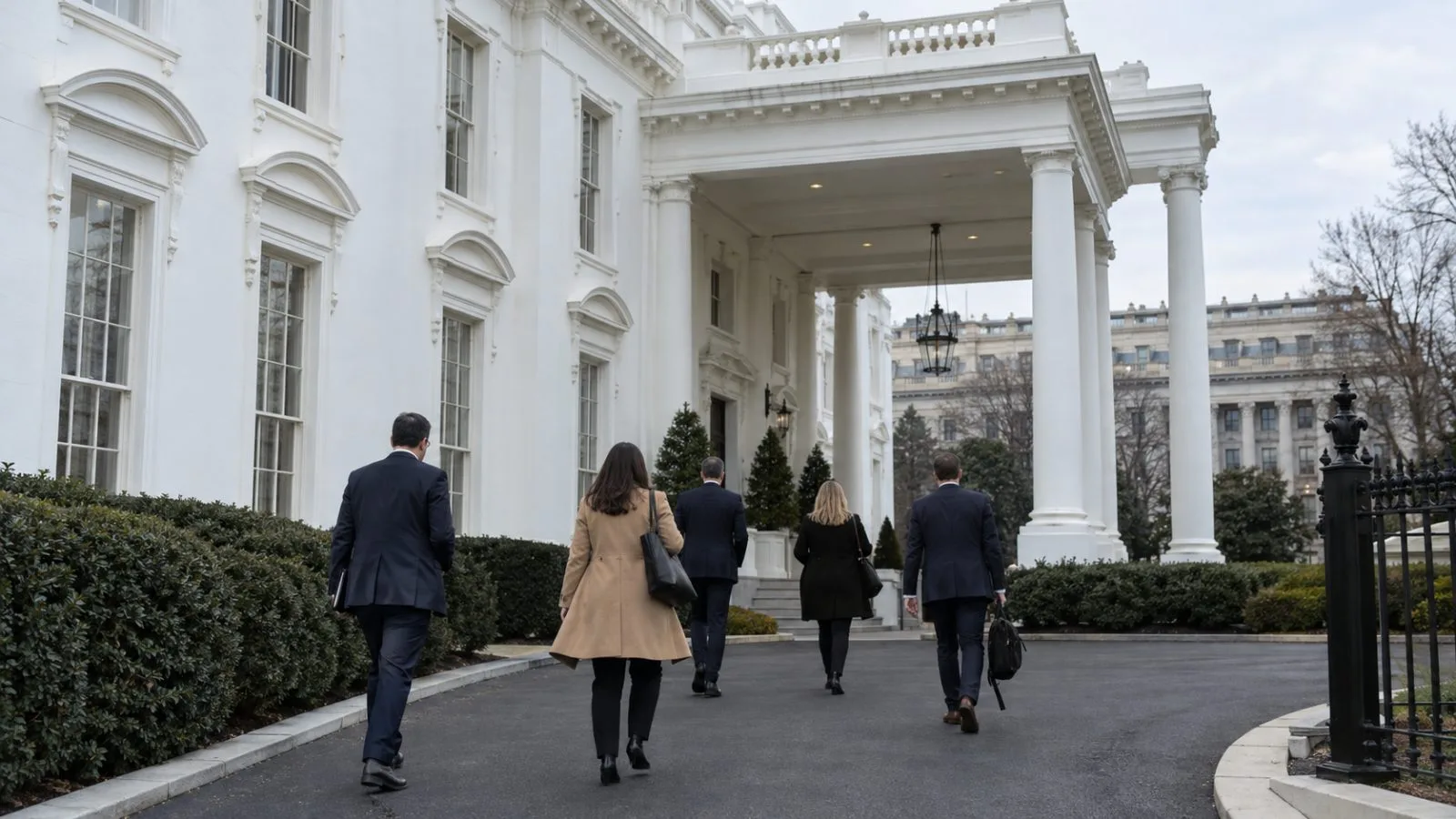
The White House faces a leadership vacancy in its cryptocurrency policy team following the departure of Patrick Witt, executive director of the President’s Council of Advisors for Digital Assets, who has left government service to return to the private sector.
Witt's exit leaves President Donald Trump's administration without a publicly named senior crypto adviser as Washington continues developing regulations for the digital asset industry. No successor has been announced, raising questions about the future direction of White House crypto policy.
The departure follows earlier exits by Harry Jung and Bo Hines, further reducing the administration's publicly identified cryptocurrency policy leadership. The changes come at a critical time for the industry, with federal regulators advancing digital asset rules and lawmakers preparing for another round of legislative negotiations.
Despite the leadership gap, a White House official told CoinDesk that cryptocurrency regulation and the Digital Asset Market Clarity Act remain priorities for Trump.
However, the absence of a designated crypto adviser could complicate coordination between the administration, Congress and federal regulatory agencies.
The Securities and Exchange Commission (SEC), Commodity Futures Trading Commission (CFTC), Office of the Comptroller of the Currency (OCC) and Treasury Department are all involved in shaping the regulatory framework for cryptocurrencies and other digital assets.
As the November 2026 midterm elections approach, attention in Washington has shifted toward congressional races. Nevertheless, the White House will continue playing a significant role in determining how cryptocurrency legislation progresses.
The political landscape could become more complicated in 2027 when a new Congress takes office. If Democrats gain control of the House of Representatives, the administration may face additional challenges in negotiating digital asset legislation.
Tax-related cryptocurrency legislation could also take priority over broader market structure reforms, creating further demands for coordination between lawmakers and the executive branch.
Witt's departure therefore raises broader questions about whether the President's Council of Advisors for Digital Assets will appoint another executive director or whether cryptocurrency policy responsibilities will shift elsewhere within the administration.
Although the White House has reaffirmed its commitment to digital asset regulation, the lack of a publicly identified crypto policy leader leaves uncertainty about who will coordinate its next legislative and regulatory initiatives.