Your nose is running, your head hurts and you feel like you’re coming down with a cold. You’re settling in on the couch for a sick day. Then you reach for the snacks.
When you’re sick, your appetite often decreases. So why, at other times, do you crave sugary treats and carbohydrate-loaded comfort foods?
A food craving goes beyond a mere desire to eat, it encompasses a complex mix of emotional, behavioural, cognitive and physiological processes. Whether it’s the need for a quick energy source or a temporary relief from discomfort, our bodies and minds work in tandem to drive our food preferences.
Here we’ll explore the science behind why our bodies crave sugar and carbs – especially when we’re sick.
Fuelling the immune system
When sickness strikes, our immune system springs into action, requiring additional energy to combat invaders.
This heightened activity often leads to an increase in our metabolic rate, energy demands and nutritional requirements.
Sugary treats and carbs are quick sources of energy, satisfying this increased demand.

Sugary treats are a quick source of energy. Cats coming/Pexels
But while a high sugar diet during times of illness may help meet increased metabolic demands, it could also exacerbate the immune and inflammatory response, potentially impeding recovery.
In the longer term, high-sugar diets promote chronic inflammation, alter gut microbiota composition, and are associated with chronic disease. For a well-functioning immune system, aim for a balanced intake of fruits, vegetables, fibre, protein, and low-glycaemic carbohydrates.
The stress response
Being sick is stressful for the body. Acute mild or intense stress, like we’d see if we’re sick, boosts the “flight or fight” hormones adrenaline and cortisol. This mobilises stored energy to meet increased demands, but it can also curb appetite.
Prolonged stress can disrupt energy balance, and cause nutritional deficiencies and alterations in gut and brain functions. This can reduce a person’s threshold for craving sugar and salt, increasing their preferences towards energy-dense foods.
The stress hormone cortisol can also increase your preference for high-calorie, comfort foods, which can temporarily alleviate stress.
The brain’s reward system
Comfort foods trigger your brain’s reward system, releasing feel-good neurotransmitters like dopamine and serotonin.
But “sugar rushes” are often short-lived and can lead to decreased alertness and heightened fatigue within an hour of consumption.
The link between carbohydrates (which the body converts to sugar) and serotonin can be traced back to 1971 when researchers found elevated tryptophan levels (serotonin’s precursor) in rats’ plasma and brains after a carbohydrate-rich diet.
Subsequent studies in humans established connections between carbohydrates and mood, especially in relation to obesity, depression and seasonal affective disorder. Therapies enhancing serotonin have since been shown to reduce carbohydrate intake.
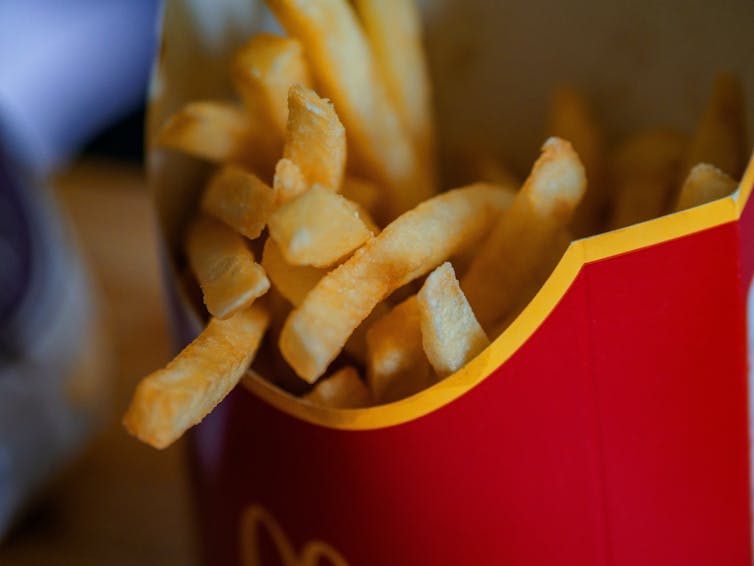
There’s more to our cravings than just a desire to eat. Unsplash/Brett Jordan
Remarkably, around 90% of serotonin production occurs in the gut. The vast microbial population in our gut exerts a potent influence on immunity, metabolism and appetite.
Recent mouse studies have even identified specific microbes linked to sugar binges after antibiotic treatment.
Some people eat less when they’re sick
Not everyone craves sugar and carbs when they are sick. Some people eat less for a few reasons:
-
they have less of an appetite. While ghrelin (the “hunger” hormone) levels might initially rise, prolonged illness can suppress appetite due to nausea, fatigue and discomfort. Critically ill patients have reduced food intake and are at risk of malnutrition
-
metabolic adaptation. The body might slow specific metabolic processes to conserve energy, reducing overall calorie requirements
-
altered taste perception. Taste is an important component that affects both appetite and energy intake. Alterations in taste and smell is a common symptom when we are sick and was common with COVID
-
consuming fluids like water, tea or broths might be more appealing and manageable than solid foods. These fluids provide hydration but contribute minimally to calorie intake.