


 Bitcoin Price Falls Below $83K as Liquidations Hit $697M
  Solana User Growth Jumps 33%, Outpacing Ethereum and Chainlink
  Zcash Mining Profits Surge as Liquidity Risks Grow
  Kalshi Withdraws PEPE Perpetual Futures Filing
  Robinhood Buys $25 Million in Bitcoin for Corporate Treasury
  Sector Spotlight: Data Availability and Storage Lead 24-Hour Market Gains
  DogecoinVM Makes DOGE Transactions 300x Faster
  BofA Raises Coinbase Stock Target to $203 on Stablecoin Growth
  Cardano Price Surges 10% as ADA Targets $0.30
  Bitcoin Outflows From Binance Hit Three-Year High as Whales Accumulate
  Evernorth XRPN Nasdaq Listing Delayed to October 12
  Jay Clayton Named Trump’s AI Czar as XRP Past Resurfaces


 Add as a preferred source on Google
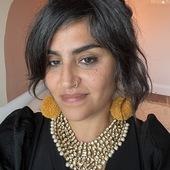
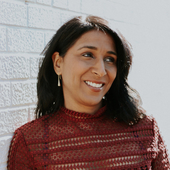
With the intensification of war in the Middle East, comes an intense polarization within our institutions. A historian whose family was taken hostage by Hamas, and a geographer with family in the West Bank, get together to discuss a way forward.
It’s hard to escape the horrific images coming out of the Middle East. And it’s excruciating to take it all in.
First came the news of the Oct. 7 attack by Hamas on Israel. 1,400 people were viciously attacked and murdered and at least 200 more were kidnapped and taken hostage.
Then came the retaliation by the state of Israel. Almost immediately, those living in Gaza, under the leadership of Hamas, were faced with an evacuation order for more than a million people. They had their food and water supplies cut off and 6,000 bombs were dropped on them in one week. So far, more than 5,000 Palestinians have been killed, and many more injured, in Israel’s assault against Hamas.
Many of us have been left with a feeling of helplessness as we watch in horror. For others, this witnessing has brought personal anguish, especially for those with ties to the region.
For all of us though, it’s raised intense challenges about how to talk about what is happening currently and what has been happening for decades.
There is so much polarization. There are those that feel their pain, loss and histories of Jewish people have been dismissed. On the other hand, those attempting to apply an anti-colonial lens to the issue are being shut down and labeled as antisemitic.
On Don’t Call Me Resilient, our two guests today both say our institutions need to make room for a true dialogue — where decolonization is not a bad word. They say a contextual, historical analysis is crucial to moving forward — both at home and abroad.
Natalie Rothman is a professor of historical and cultural studies at the University of Toronto Scarborough. She grew up in Israel. She has friends and relatives in the region including family members who have been taken hostage by Hamas.
Norma Rantisi is a professor of geography and urban planning at Concordia University who has done work in the region. She has family in the West Bank and is a member of the Academics for Palestine Concordia, and the Palestinian-Canadian Academics and Artists Network.
Read more in The Conversation
Resources
Report: Unveiling the Chilly Climate – The Suppression of Speech on Palestine in Canada
Paradigm Lost: From Two-State Solution to One-State Reality
Listen and follow
You can listen to or follow Don’t Call Me Resilient on Apple Podcasts, Spotify, YouTube or wherever you listen to your favourite podcasts.
We’d love to hear from you, including any ideas for future episodes. Join The Conversation on Twitter, Instagram and TikTok and use #DontCallMeResilient.







