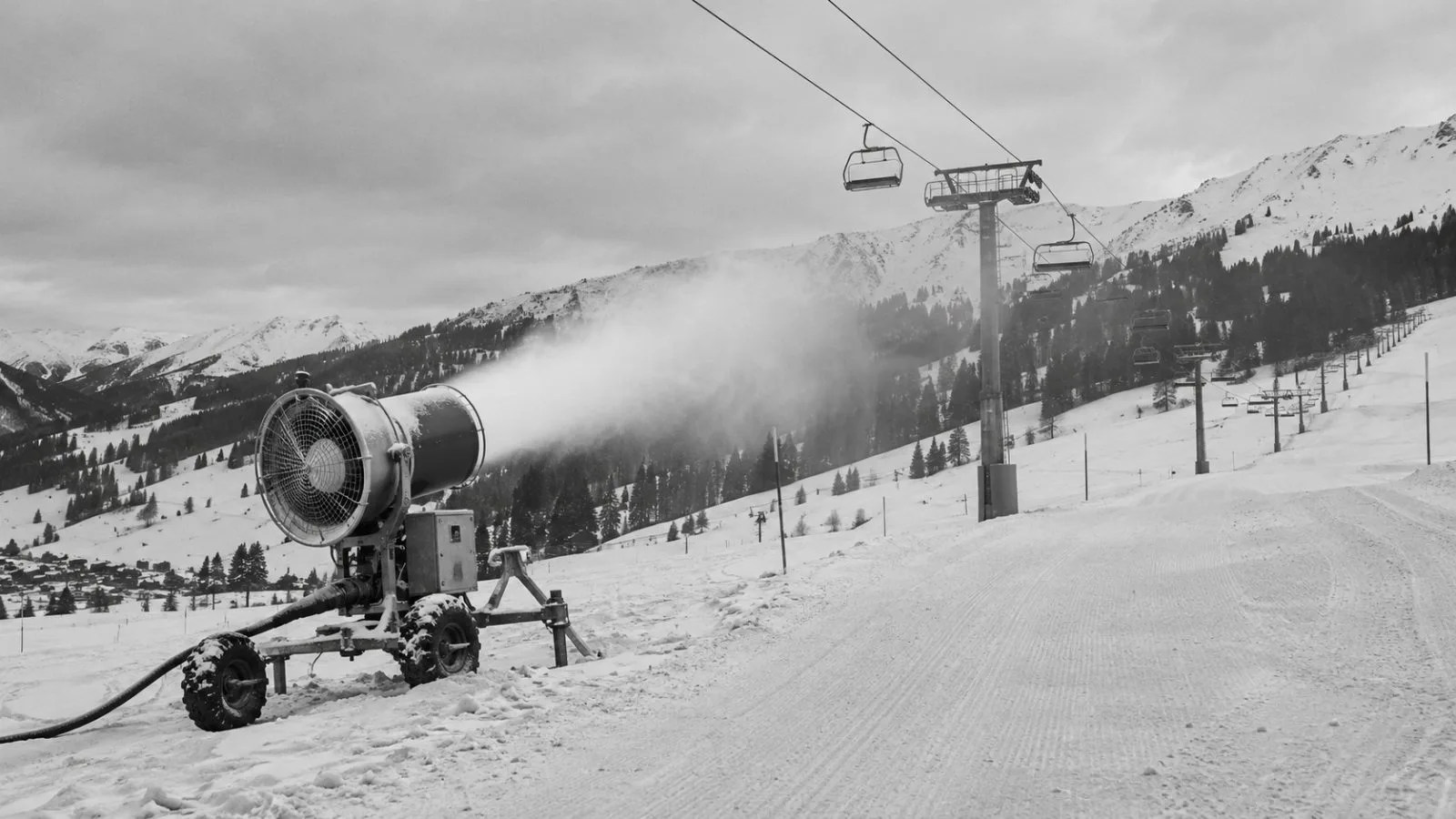
A 2023 study projects that 53% of the European ski resorts it examined would face very high snow-supply risk at 2°C of warming without snowmaking, posing a challenge for winter tourism.
The Nature Climate Change study covered 2,234 resorts in 28 countries and measured warming against the preindustrial average. With snowmaking coverage of 50%, the share in the very-high-risk group fell to 27%.
The study projected that wider use of artificial snow would raise water and electricity demand. The study also projected a larger related carbon footprint, adding an environmental cost to the lower modeled snow risk.
The World Meteorological Organization (WMO) highlighted the findings Tuesday as it and the International Ski and Snowboard Federation (FIS) released Weather and Climate Services for Ski Resorts. The joint report is accompanied by a separate, shorter practical resource guide.
Resorts cannot produce artificial snow whenever they need it. Temperature and humidity must allow it, while available water and the cost of power can further limit its use, WMO said.
Historical observations show how snow conditions have changed. The Intergovernmental Panel on Climate Change (IPCC) estimates that snow cover in lower-elevation mountain areas has shortened by an average of five days per decade since the mid-20th century. Switzerland’s National Centre for Climate Services (NCCS) says the number of snowfall days below 800 meters has halved since 1970.
The study’s percentages describe modeled risk among the resorts examined; they are not a count of resorts currently short of snow. WMO said some resorts could become economically unviable as conditions change, and adaptation may require further investment.
The joint report addresses decisions on opening dates, staffing and infrastructure. Its separate practical guide organizes weather and climate information for daily operations, seasonal planning and longer-term choices. WMO said predictions for the coming winter were presented at an FIS sustainability webinar on Nov. 3.