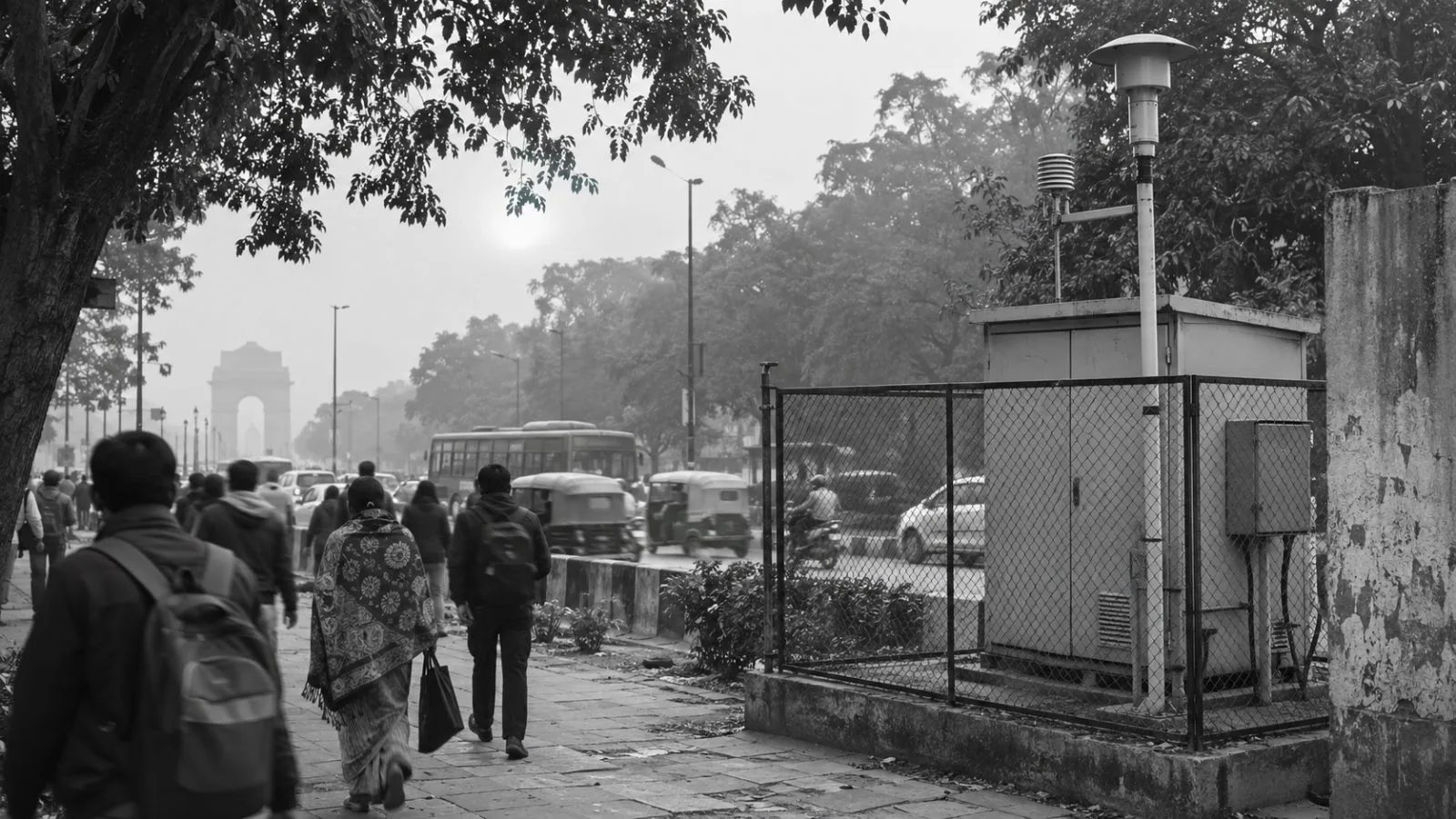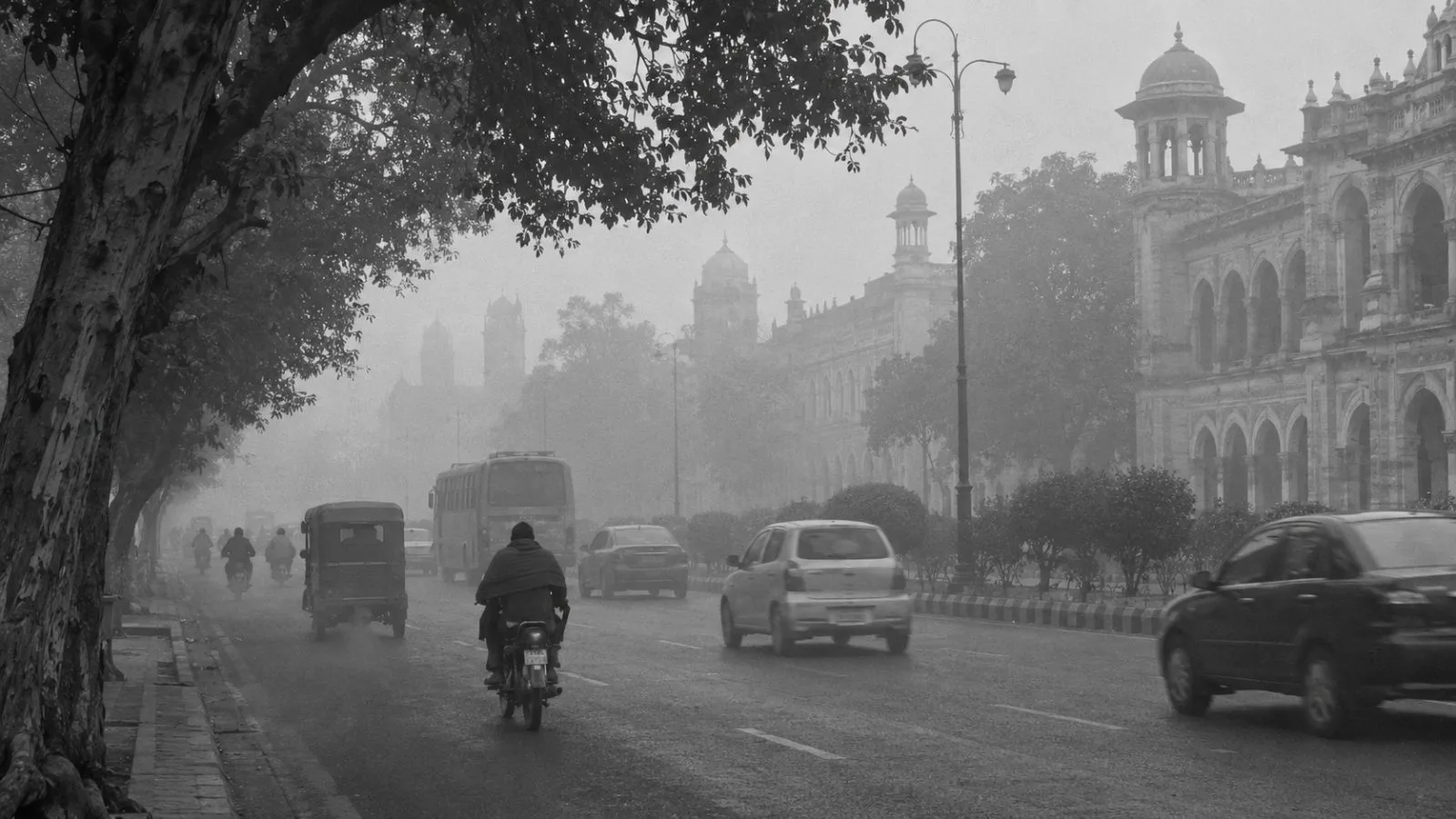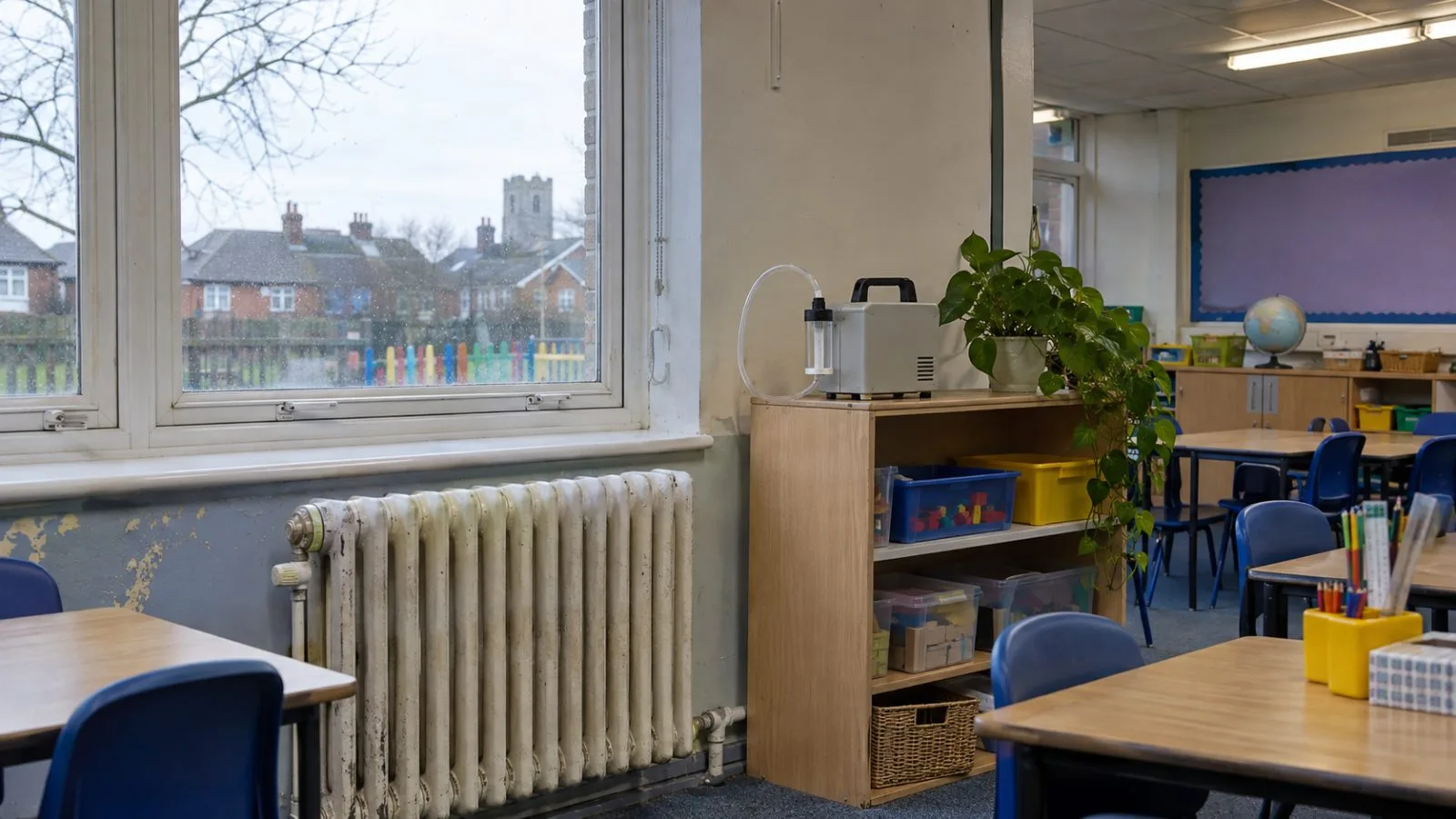
Researchers in a six-area study published in Environmental Research found outdoor pollution entering buildings and residential wood burning may be as important as traffic in shaping indoor PAH levels in some European urban areas.
Researchers sampled indoor air and settled dust from 2023 to 2025 in Athens, Barcelona, Colchester, Copenhagen, Helsinki and Lisbon. The design included five primary schools, one sports hall and five homes in each area. The paper used Copenhagen as the label for its Danish sites, though some participating schools were in Odense and Vejle.
Colchester had the highest median total PAH reading, 56,915 picograms per cubic meter (pg/m³), with reported variability of ±52,696 pg/m³. Lisbon had the lowest median, 7,741 pg/m³, with reported variability of ±9,070 pg/m³. Researchers associated the highest readings in some schools and homes with local wood burning and poor ventilation.
The study also identified traffic, emissions entering from outdoors and household practices as influences on indoor concentrations. The authors concluded that, in some urban areas, wood heating and pollutants entering from outdoors could influence indoor PAH levels as much as traffic does.
Seasonal comparisons were possible only at sites sampled during both heating and non-heating campaigns; climate and scheduling constraints left some locations without paired samples. In Colchester homes, low-molecular-weight PAHs fell to less than half their heating-period median outside the heating season, while high-molecular-weight levels were roughly an order of magnitude lower.
For a modeled five-year primary-education exposure scenario, excess cancer-risk estimates ranged from 10⁻⁸ to 10⁻⁵ across sampled locations, below 10⁻⁴, which the paper used as a contextual benchmark. The authors described the estimates as uncertain; inhalation doses were calculated from indoor measurements and exposure assumptions rather than by tracking individual children throughout the day. The study did not assess other possible health effects, and the selected sites may not represent all indoor environments in the six areas.
The Guardian reported that study senior author Dr. Barend L. van Drooge said wood burning’s contribution to urban PAHs had surprised him. The paper recommends better ventilation and measures to reduce indoor and outdoor emissions.