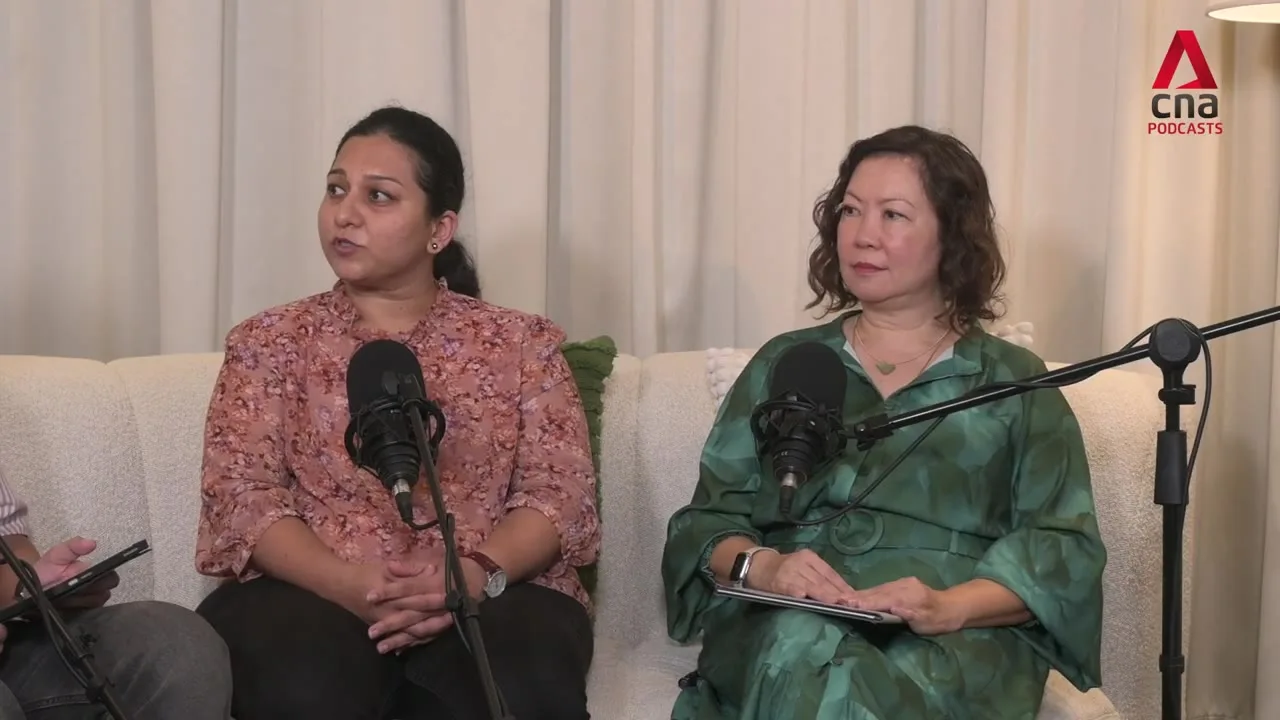
Workers facing retrenchment should have more than 24 hours to review separation agreements because signing can make changes difficult, according to CNA’s Work It, published on Oct. 26.
Payments already owed under employment contracts or law should be distinguished from additional benefits offered in exchange for accepting conditions. Employees should receive existing entitlements regardless of whether they agree to give something in return.
The starting point is the employment contract, staff handbook and company policies. Workers can compare those provisions with information on Singapore’s Ministry of Manpower website to establish what they are entitled to receive.
Items to check include salary during the notice period, payment instead of serving notice, payment for unused leave and any applicable prorated annual wage supplement. That supplement is also known as a 13th-month payment.
Singapore does not require severance payments by statute. An entitlement may instead come from company policy, while an employer may also choose to offer a payment for a particular retrenchment.
Workers should obtain the proposed settlement in writing once retrenchment becomes a reality. A written breakdown can help establish what was offered if a dispute arises later.
Separation agreements commonly require confidentiality about discussions and restrictions on recruiting former colleagues or taking clients to another business. They may also require a handover, the return of company property and promises against speaking negatively about the employer publicly.
The wording deserves close attention because restrictions can differ between agreements. A non-compete clause, which limits where someone can work after leaving, may become broader in a separation agreement than in the original employment contract.
Employees can request a copy of their original contract and compare the provisions directly. They can also ask what confidentiality requirements mean for conversations with a spouse or other family members.
A detailed settlement breakdown can show which payments are fixed and which might be negotiated. Requests can extend beyond cash to keeping an old company laptop or taking time off during notice to attend interviews.
Workers can ask for a few days to consider the agreement and request more time if needed. Two or three days, or up to a week, was described as a reasonable period for review.
Signing first and seeking clarification later can leave little room to change the deal. Coercion or failure to provide legal entitlements may leave grounds for a challenge, but revisiting other terms can be difficult.
Whether restrictions affect what someone can tell a prospective employer depends on the agreement. Saying that the departure followed retrenchment can explain the circumstances without discussing whether the treatment was fair.