The World Bank expects Lebanon’s real gross domestic product to contract 6.4% in 2026 after estimating 4.2% growth in 2025, as renewed hostilities interrupt recovery and weigh on economic activity.
The two figures imply a 10.6 percentage-point reversal between the Bank’s estimated growth rate for 2025 and its 2026 forecast. The projected contraction describes an expected change, not a decline already recorded. The World Bank says the conflict escalated in March, while the United Nations identifies the renewed hostilities as involving Israel and Hezbollah.
The World Bank also forecasts inflation of 17.5% in 2026. It says lower purchasing power is affecting households, and that disruption to tourism and consumption is weighing on economic activity. The Bank links inflation pressure to supply disruptions, higher shipping costs and rising oil prices.
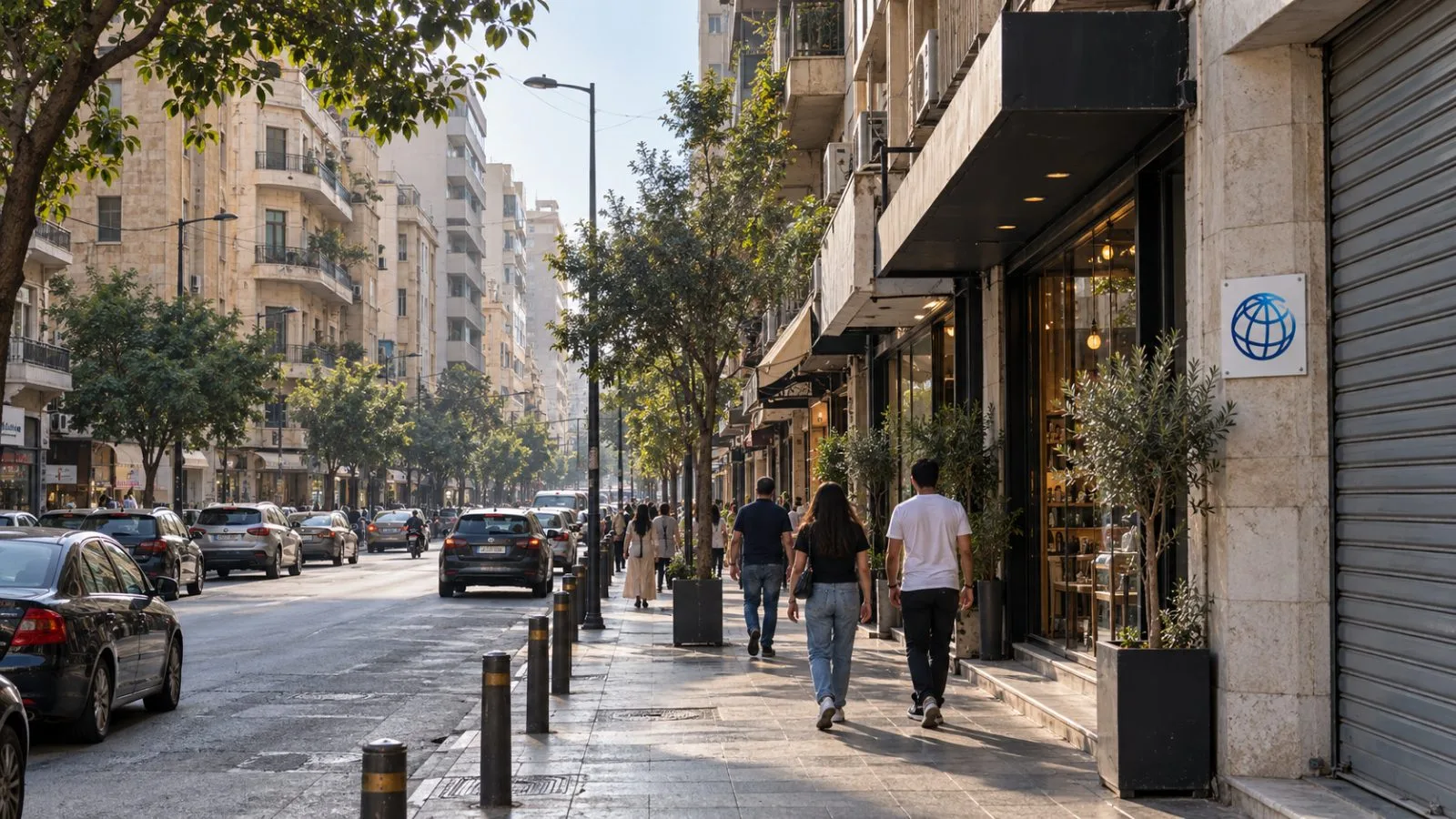
The World Bank dates the onset of Lebanon’s financial crisis to 2019. In a report published Oct. 19, France 24 described economic strain in households, businesses and consumer behavior. That account adds daily-life context to the World Bank’s projections of weaker output and elevated inflation.