
Over the past several months, there have been tensions between several major countries that lead to fears of a possible third World War. The fears have since then escalated as it was revealed that the Indian government invited Australia to join them in a Naval exercise that could prove controversial.
The escalating tensions between China and countries such as the United States and India continue to bring about fears that World War 3 may occur. China and India’s relationship has since become strained over ownership of the Himalayan border that resulted in the Galwan Valley conflict that left 20 people dead.
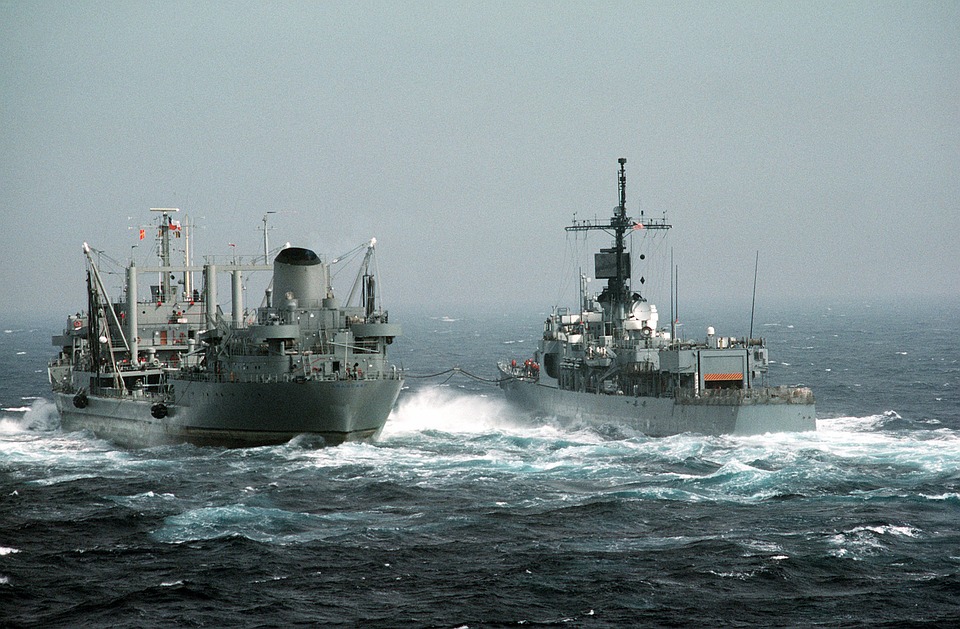
In retaliation, India has now reached out to Australia to join in the Malabar Naval Exercises or exercise Malabar. This military event was first done in 1992 and usually includes countries such as the US and Japan, aside from China. This invitation would mark the first time since 2007 that Australia participated in the naval exercises. Australia has yet to say if they are joining or not, but according to Indian media, it would only be a matter of time before they decide to participate.
During the Bay of Bengal exercise, India drew the ire of China when it invited Australian warships to participate. Extending the invitation again to Australia will likely have the same reaction.
Australia’s relationship with China has also been strained following the global pandemic that is COVID-19, which is now affecting millions of people all over the world. The pandemic began in the Chinese region of Wuhan in December 2019 and has since spread to dozens of countries. Thus, fears not just of a possible World War 3 have become present, but also suspicions that China may be looking to expand its territory among Asia.
Meanwhile, some hidden documents seem to suggest that World War 3 may have already begun decades ago in 1968 when foreign ministers expressed concerns that then-Soviet Leader Leonid Brezhnev was planning to take over Romania.
According to the secret documents, during September 1968, then-Prime Minister Harold Wilson developed contingency plans for military intervention in Eastern Europe. The ministers expressed worries that the end of the “Prague Spring,” also known as the political liberalization and mass protest happening in Czechoslovakia, would result in expanding Soviet control onto countries such as Romania and possibly even Yugoslavia.


