More than 65,000 refugees and asylum-seekers in Yemen face worsening conditions amid insecurity, economic collapse and aid barriers, while UNHCR's 2026 operation has received $36 million of $194 million requested, the agency said Oct. 30.
That funding amounts to 19% of the United Nations High Commissioner for Refugees' appeal for its Yemen operation. The agency cited depleted resources and constraints on humanitarian access as pressures on its work.
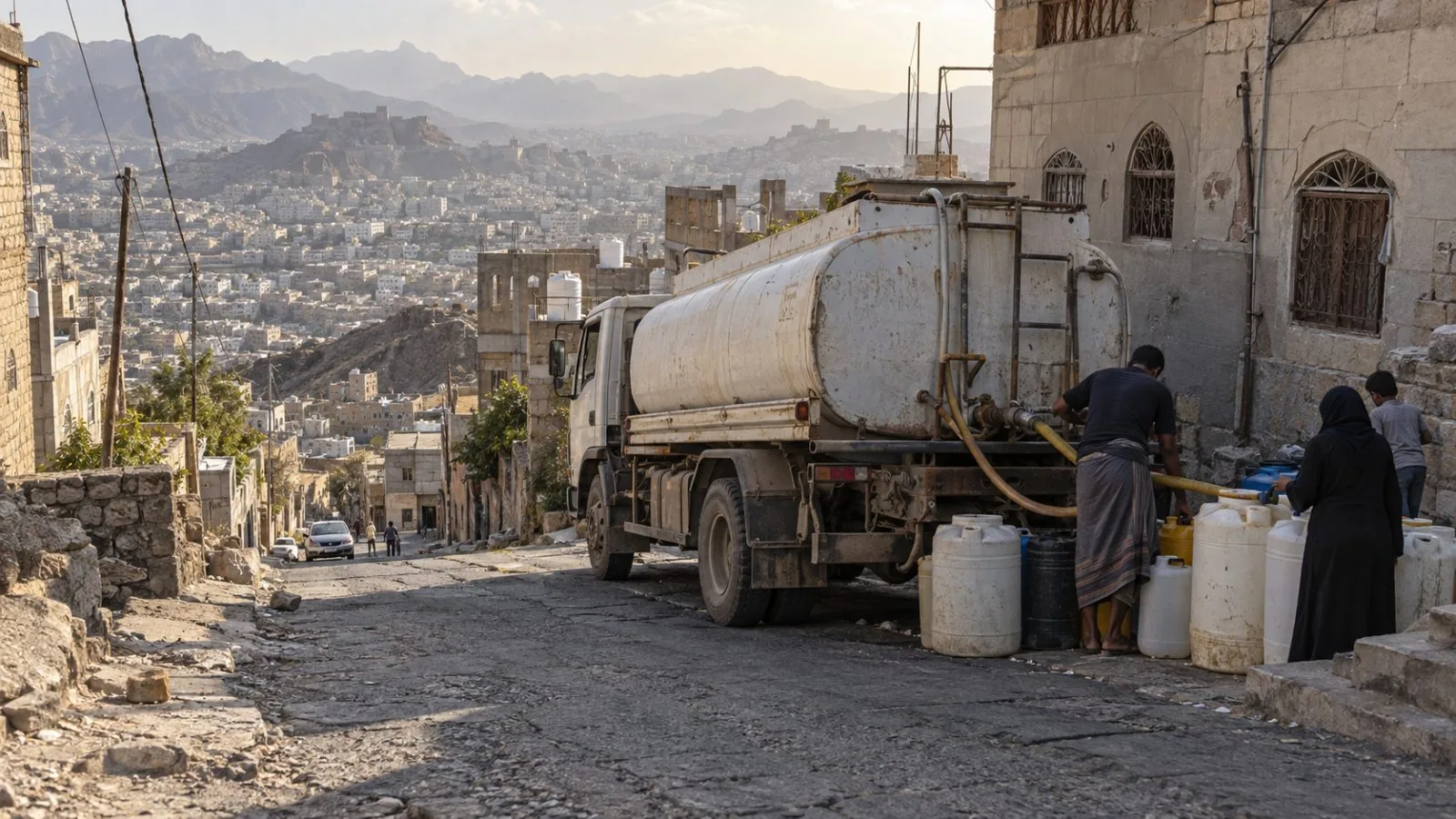
At Kharaz camp in Lahj governorate, about 9,500 refugees from Somalia and Ethiopia face restricted movement and disrupted services after nearby shelling. No refugee casualties had been verified. Partners managed to distribute food, while health and water assistance continued with significant difficulty. Schools have been suspended, while legal and documentation services have been interrupted. Rising fuel and staple prices are adding pressure on households.
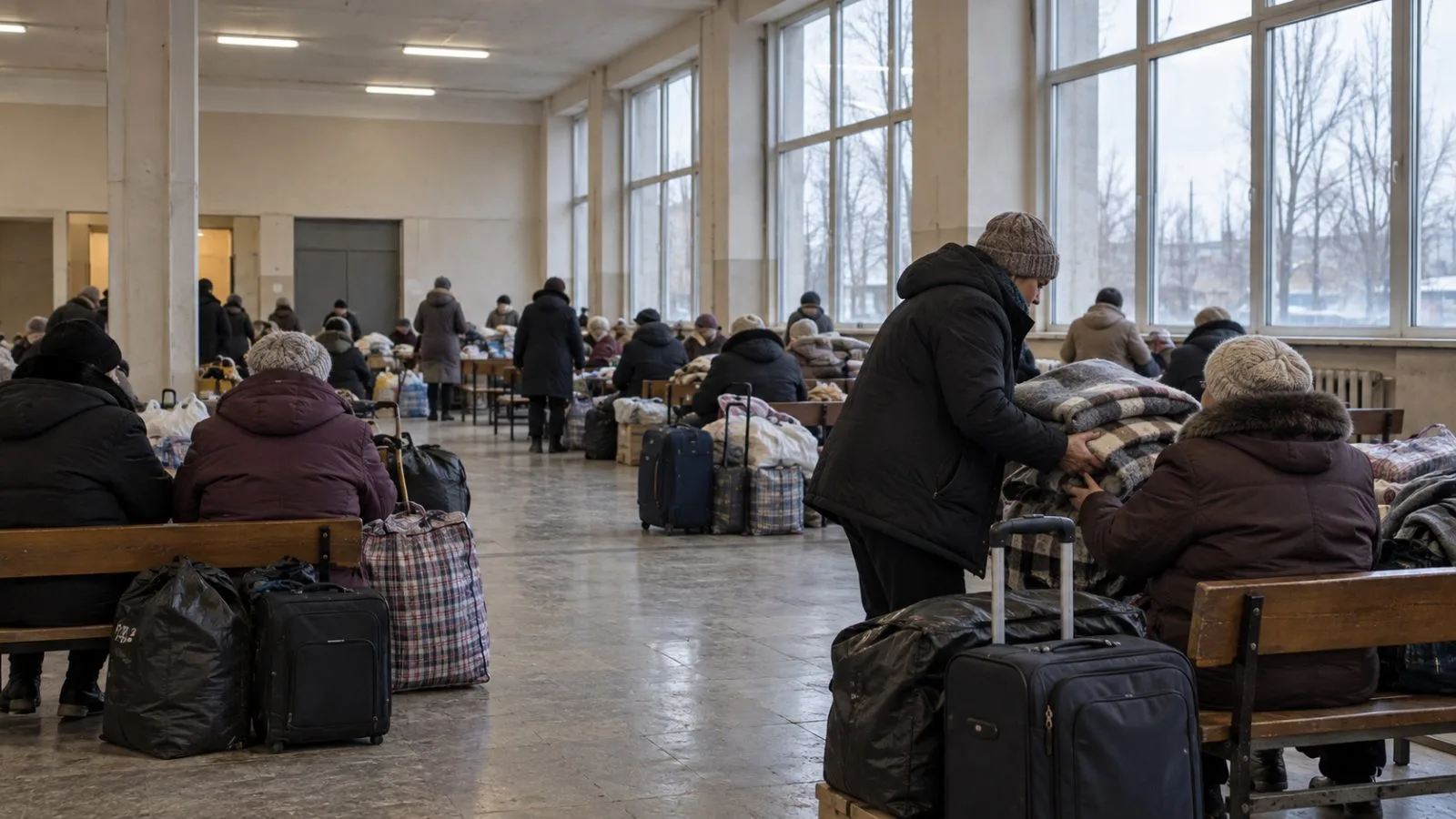
UNHCR also reported that more than a quarter-million Yemenis had been displaced in recent months, part of the rising displacement documented in earlier coverage of Yemen. Three flights from Aden to Mogadishu have enabled 607 Somali refugees to return voluntarily since August. More than 1,100 others have signaled interest, but airport shelling and continued fighting have put further returns at risk.
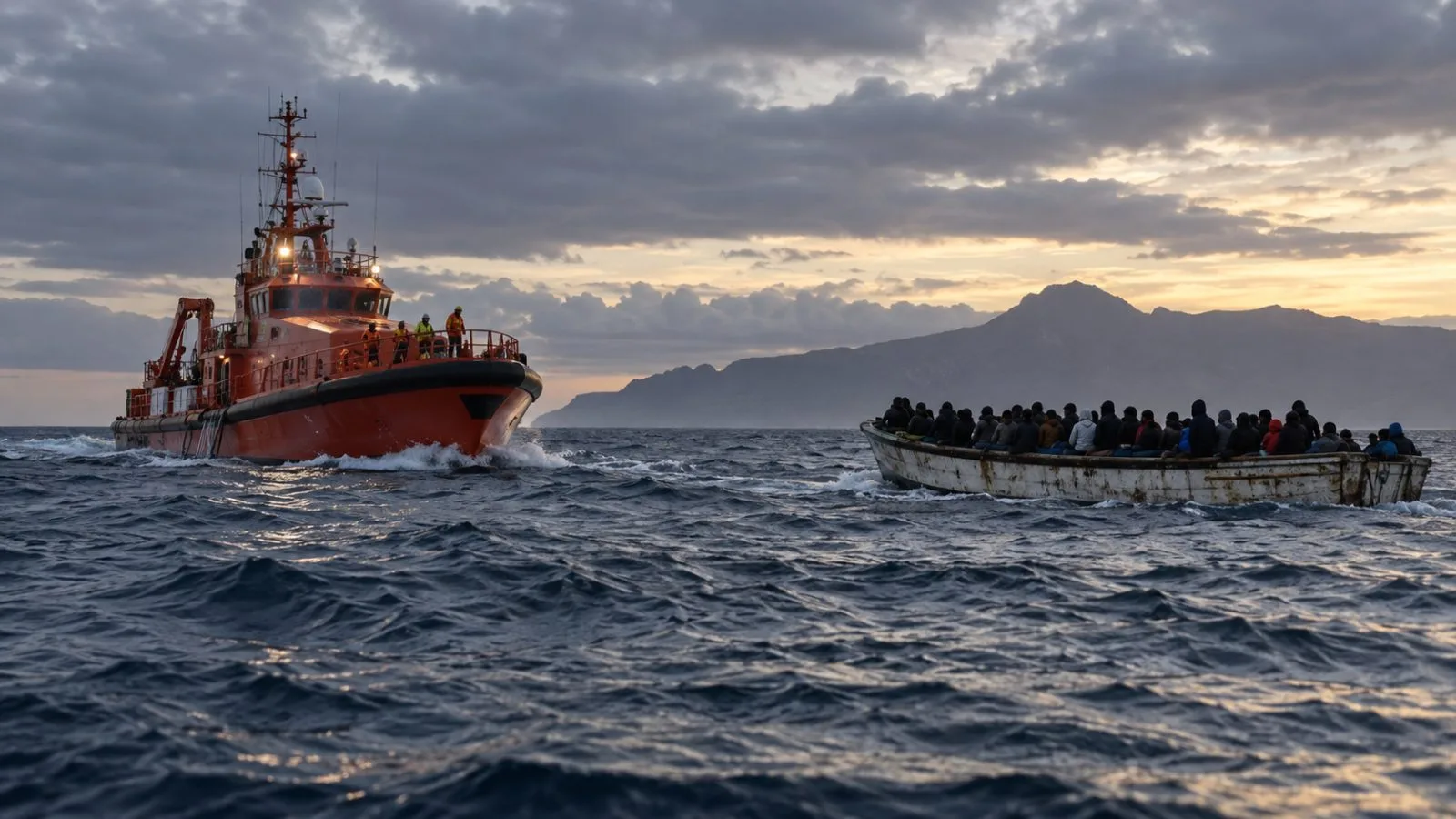
The pressures extend to migrants arriving by sea. UNHCR recorded more than 134,000 asylum-seekers and migrants reaching Yemen by sea during the first nine months of 2026. The International Organization for Migration (IOM) said at least 139 people died and 84 were missing after a boat carrying 305 people from Djibouti toward Yemen capsized off Djibouti on Oct. 8-9.
Regional shipping disruptions and higher freight and fuel costs are also making relief deliveries harder, UNHCR said. The agency arranged transport at no charge for 11 containers of emergency supplies from Dubai to Yemen, and called for de-escalation, humanitarian access and sustained support. UNHCR described the situation as part of a long-running humanitarian emergency shaped by years of conflict.