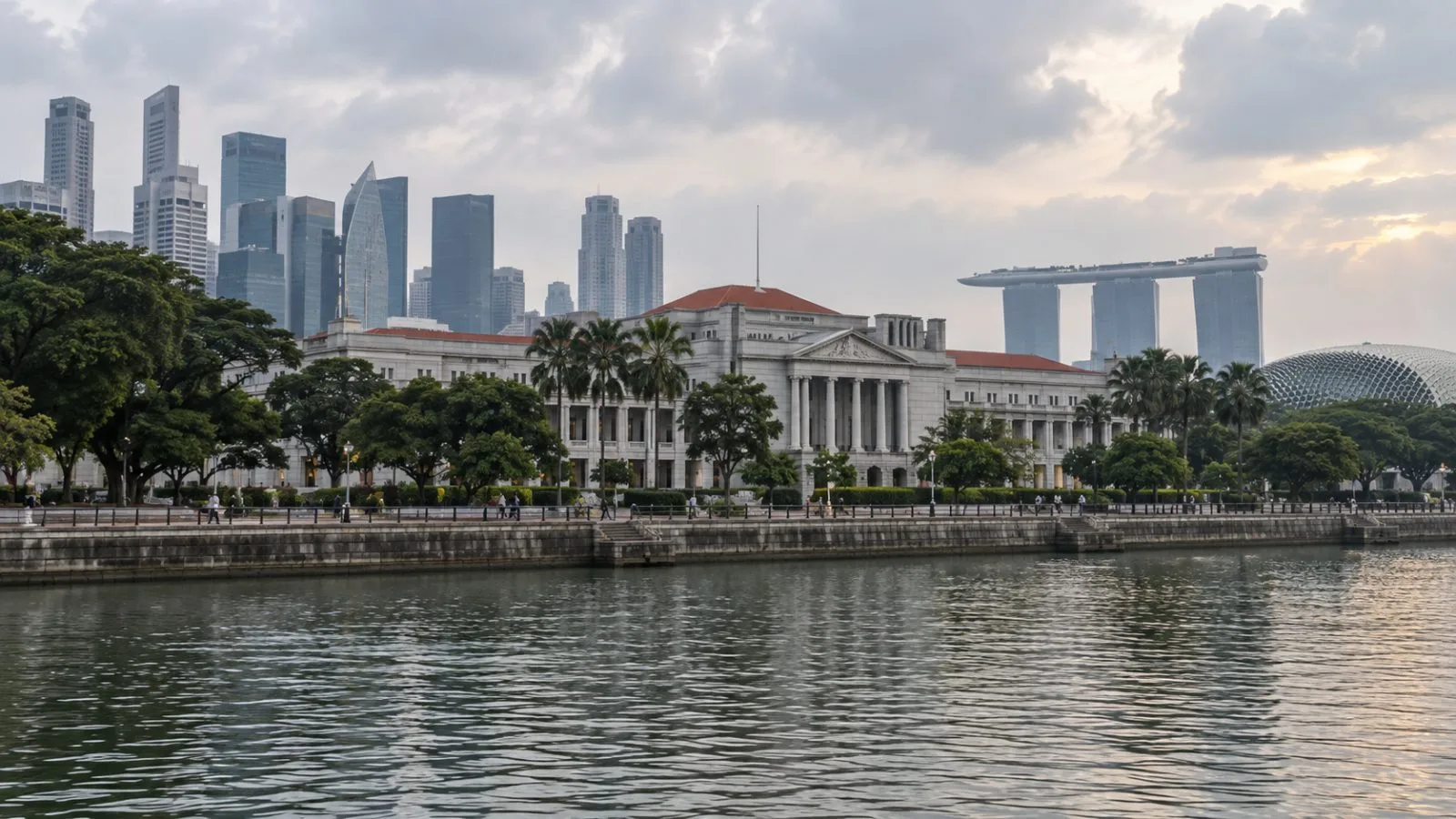
Former Singapore foreign minister George Yeo said the city-state's financial standing depends on resisting requests from larger governments when allegations lack proof, a position he tied to trust in Singapore's institutions.
He also urged investors to consider abrupt disruptions as they assess a fragmented global economy. Scenarios he named included a sharp disruption involving the U.S. dollar, an artificial intelligence bubble and an escalation in the Middle East.
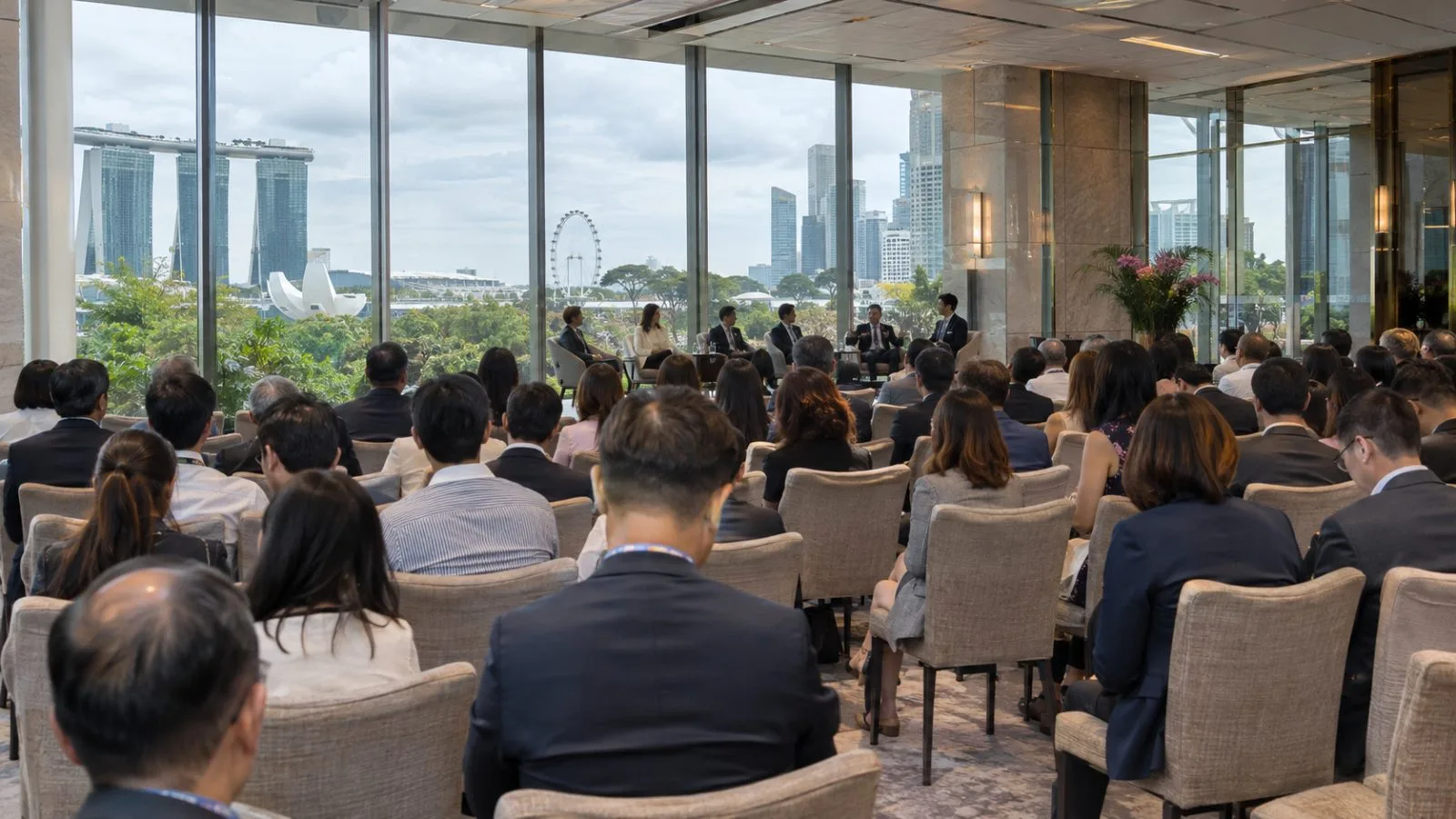
The Straits Times reported Nov. 17 that Yeo joined a panel on investment amid global divisions at the first HSBC Singapore Wealth Investment Summit, held in 2026. He described U.S.-China rivalry as a force reshaping commercial ties and capital flows, and said investors should consider what could unsettle wider economic and financial systems.
Yeo said Singapore should investigate claims of contraband and ask for information. But he argued the government should not hold someone at another country's request when an allegation lacks proof. “We have to be ourselves,” he said.
The Straits Times cited confidence in Singapore's institutions, regulation and courts as central to its appeal to international capital. Yeo said keeping that confidence can carry diplomatic costs, particularly for a small country facing pressure from more powerful governments. He described Singapore's approach as flexible, but with limits when requests conflict with its principles.
As a precedent, Yeo recalled the 1994 case of Michael Fay, an American teenager sentenced to caning for vandalism in Singapore. Then-President Bill Clinton appealed for clemency, and Singapore reduced Fay's sentence from six strokes to four. Yeo said the episode strained U.S.-Singapore relations and that then-Prime Minister Goh Chok Tong could not visit the White House for three years. He said Singapore's standing with countries including China and India rose after it held to its position.