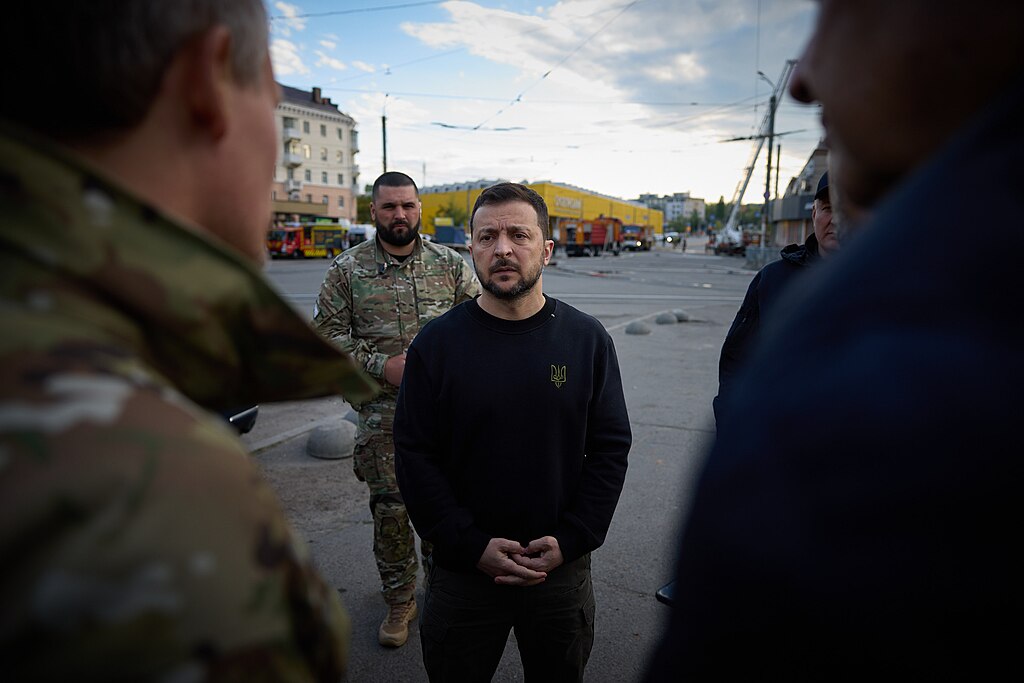
As Ukrainian President Volodymyr Zelenskiy prepares another cabinet reshuffle, the future of Defense Minister Mykhailo Fedorov has emerged as one of the biggest questions, with potential implications for Ukraine’s war effort against Russia.
Fedorov, 35, took over the defense portfolio just six months ago after previously serving as Ukraine’s digital transformation minister. During his short tenure, he has earned praise for pushing technology-driven military reforms, expanding drone procurement, and introducing data-based strategies aimed at improving the effectiveness of Ukraine’s outnumbered armed forces.
Drone warfare advocate Maria Berlinska described Fedorov as a leader with innovative thinking and "Cossack military cunning," crediting him with cutting through bureaucracy and delivering practical reforms. Military commanders have also expressed strong support, saying his leadership has been widely welcomed across Ukraine’s armed forces.
Despite that backing, it remains unclear whether Zelenskiy will retain Fedorov in his position. Parliament is expected to vote on the new cabinet on Thursday, and some lawmakers have questioned whether he would secure enough support if reappointed. Critics argue his defense procurement reforms have upset established interests, while others say progress on military recruitment has been slower than expected.
The uncertainty comes after Zelenskiy announced a broad government overhaul aimed at renewing the administration and law enforcement agencies. The resignation of Prime Minister Yulia Svyrydenko automatically triggered the resignation of the entire cabinet under Ukraine’s political system, requiring key ministerial appointments to be approved by parliament.
Analysts warn that replacing the defense minister could disrupt military planning at a crucial stage of the conflict. Ukraine has recently increased pressure on Russia through strikes targeting oil refineries and logistics infrastructure but continues to face shortages of air defense systems, manpower, and battlefield resources.
Experts say that regardless of whether Fedorov remains in office, the reforms introduced under his leadership should become permanent institutional policies. Strengthening the defense ministry beyond any single individual, they argue, is essential to ensuring long-term stability as Ukraine continues its fight against Russia.