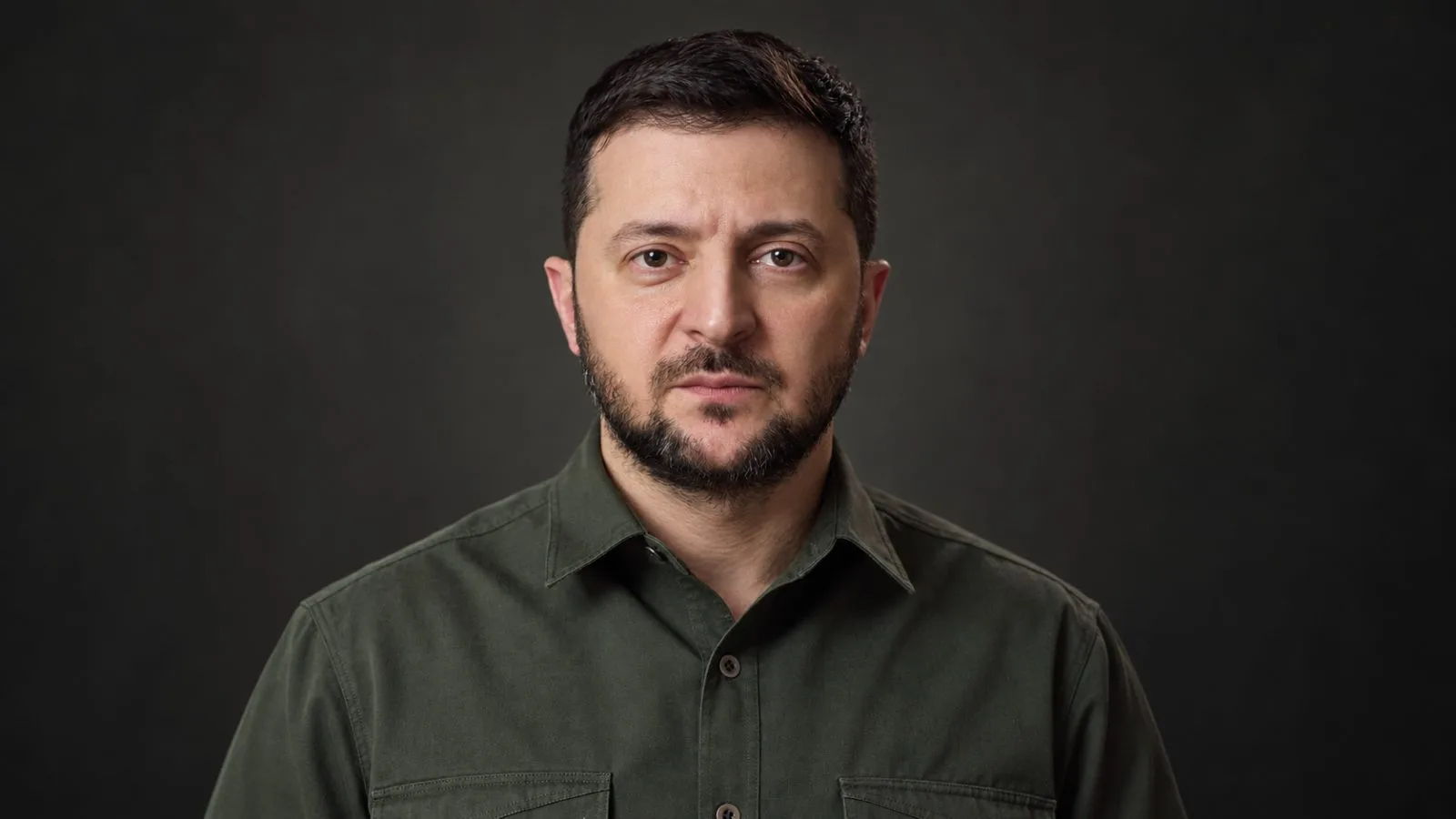
Ukrainian President Volodymyr Zelenskyy criticized a U.S.-Russia diesel arrangement, while a separate dispute over intelligence sharing left Kyiv and Washington with conflicting public accounts about wartime coordination.
Axios reported that Zelenskyy argued the arrangement benefits Russia and compared it with President Donald Trump’s earlier meeting with Russian President Vladimir Putin in Anchorage. The Associated Press reported that Trump cast the move as a response to elevated U.S. fuel costs before the midterm elections. Those comments describe competing claims about the arrangement’s beneficiaries; the license itself does not establish a price effect or confirm a shipment.
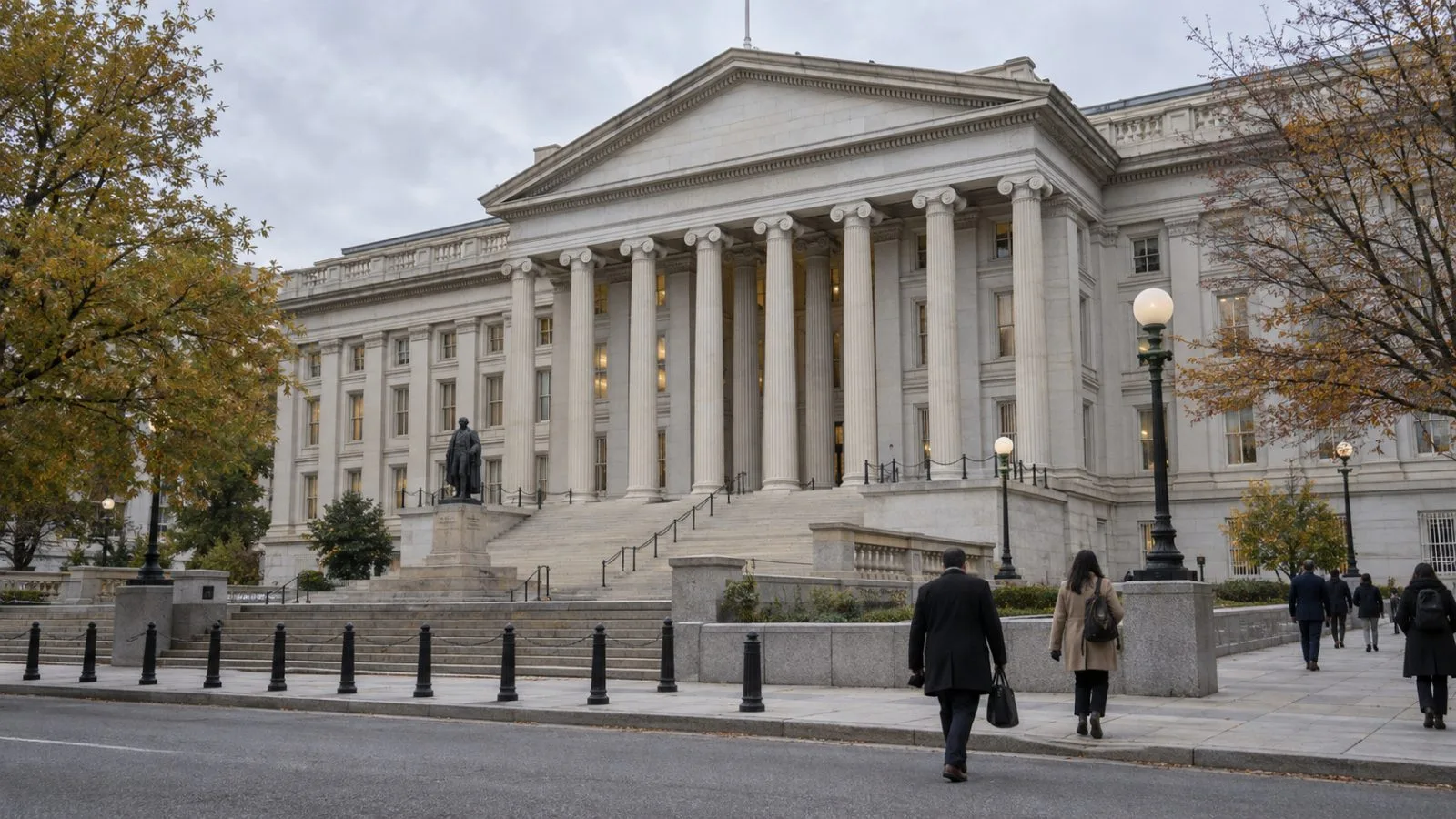
The U.S. Treasury Department’s Office of Foreign Assets Control (OFAC) issued General License 135 on Oct. 9. It permits covered transactions involving Russian-origin diesel, including imports into the United States. The license specifies no import volume and does not document a shipment.
The intelligence disagreement is separate from the diesel authorization. Zelenskyy told NBC’s Meet the Press on Oct. 18 that U.S. intelligence sharing stopped for a period and was later restored. Reuters reported that Secretary of State Marco Rubio denied there had been any pause, contradicting Zelenskyy’s account. The published State Department transcript of Rubio’s Oct. 19 remarks in Samarkand does not include the denial reported by Reuters. The Associated Press has reported that intelligence from Western partners helps Ukraine detect Russian launches and warn the public. For more context, see EconoTimes’ earlier report on the disagreement over intelligence sharing.
In an Oct. 14 post, Zelenskyy said Russian attacks on Oct. 13-14 left at least 600,000 people without electricity. EconoTimes previously covered the reported outages. OFAC’s authorization expires at 12:01 a.m. EDT on April 7, 2027.