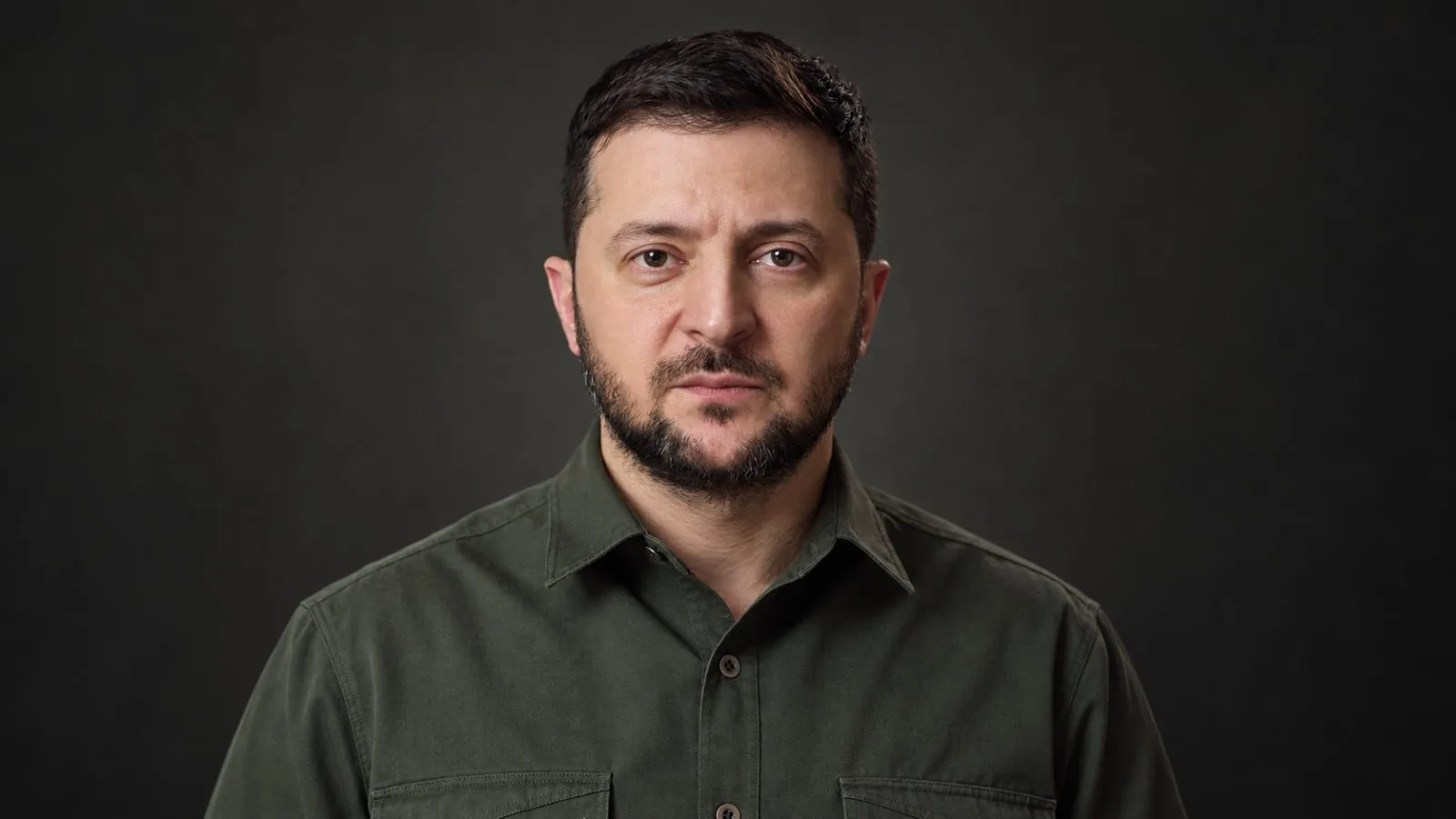
Russian strikes on Ukrainian energy sites put a U.S.-announced pause to energy attacks under strain, as Ukrainian President Volodymyr Zelenskyy reported widespread blackouts and Moscow said terms remained unsettled.
Zelenskyy said attacks overnight Oct. 13-14 across Kyiv, the surrounding region and Kharkiv damaged 26 electricity-sector facilities and four oil-and-gas sites. He said at least 600,000 people were without electricity. In a post on X, he accused Russia of showing “such ostentatious disrespect toward the United States.”
Ukraine’s Air Force said Russia launched 39 missiles and 128 drones. Its preliminary tally said Ukrainian forces had downed or suppressed four missiles and 115 drones.
President Donald Trump announced an energy ceasefire on Oct. 11, saying it took effect immediately and both countries had agreed. He did not publish terms. At the Warsaw Security Forum on Oct. 12, Zelenskyy said Ukraine was ready to reciprocate and Kyiv was awaiting details of U.S.-Russia discussions. The Associated Press reported that Kremlin spokesman Dmitry Peskov said talks on the terms were continuing.
Russia’s Defense Ministry said its forces struck communications and energy installations in the Kyiv and Kharkiv regions that it claimed supported Ukraine’s military and defense industry. That explanation is unverified.
The U.S. Department of the Treasury’s Office of Foreign Assets Control (OFAC) issued General License 135 on Oct. 9. It permits covered transactions involving Russian-origin diesel, including U.S. imports, until 12:01 a.m. EDT on April 7, 2027. The license specifies no import volume and does not establish that any shipment occurred. The Associated Press said Trump framed the diesel arrangement as a response to elevated U.S. fuel costs before the midterm elections. Zelenskyy has also criticized the arrangement in earlier comments on the U.S.-Russia diesel deal.