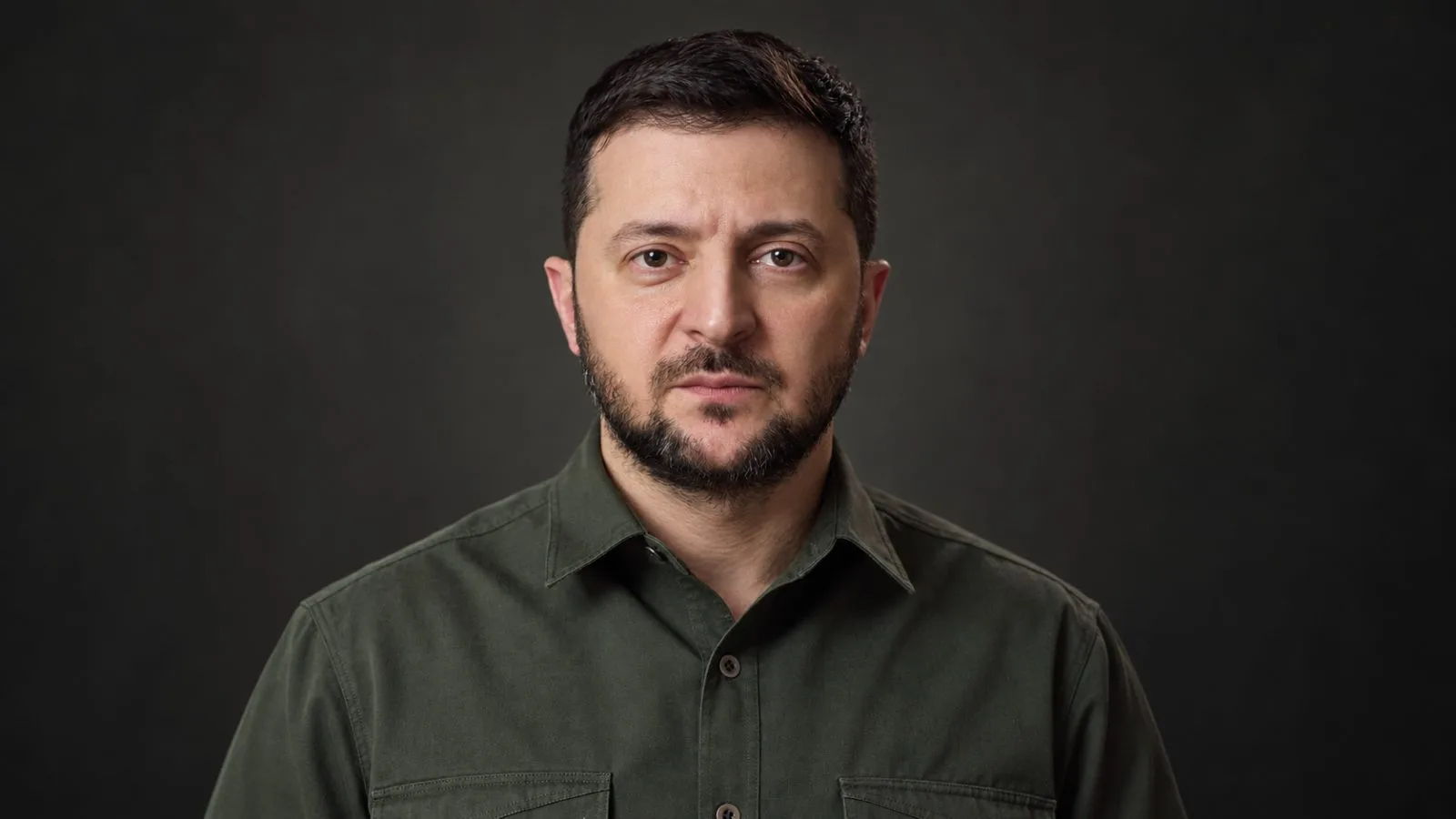
False messages and service interruptions hit emergency apps used for civilian warnings in Ukraine and Russia, while Ukrainian President Volodymyr Zelenskyy said Kyiv hacked Russia’s app in response to an attack.
Journalists at The Record and The Kyiv Independent said they received false Air Alert notices late Nov. 1, including claims of radiation danger, a chemical threat and street fighting in Kyiv. One message described a nationwide nuclear alert. Ukraine’s Air Force said there was no radiation threat.
Air Alert’s operators said unauthorized interference led them to disable push notifications and briefly suspend the app. In a later update, the service said push messages and basic danger indicators had returned, though its incoming-target map was still unavailable.
Russia’s Ministry of Civil Defense, Emergencies and Disaster Relief said an intruder accessed its app’s administration panel and sent a false message to 33 regions at about 6:45 p.m. ET Nov. 1 (11:45 p.m. UTC; 2:45 a.m. Moscow time Nov. 2). In a statement published at 6:24 a.m. ET Nov. 2 (11:24 a.m. UTC; 2:24 p.m. Moscow time), the ministry said the app was working and expected all features to return by the end of the day.
In an interview with PBS NewsHour, Zelenskyy blamed Russia for the initial breach and said, “Yes, absolutely. We just responded on the attack,” when asked whether Ukraine had hacked Russia’s app. Ukraine’s Air Force described the suspected interference as likely enemy action but did not name an actor; Air Alert’s operators called it unauthorized interference.
Ukraine’s State Emergency Service (SESU) said its broader warning system remained operational. Russia’s ministry said people could still receive alerts through sirens or loudspeakers, by text, and on radio and television. While Air Alert was suspended, Ukraine’s Ministry of Digital Transformation advised residents to use phone alerts, sirens and official Air Force channels, and said Kyiv Digital was operating normally.
The Ukrainian government said Air Alert launched in March 2022 to send regional air and chemical warnings alongside street sirens. EconoTimes previously covered the same Air Alert disruption and a separate incident involving a Russian regional app in Kuzbass.