Zerodha founder and CEO Nithin Kamath said India’s limited exposure to AI-linked companies may cushion its stock market during technology selloffs, raising a trade-off between resilience and returns.
“Having no AI companies has meant that Indian markets have been less volatile,” Kamath wrote in a LinkedIn post. Business Today and NDTV Profit also carried the quote.
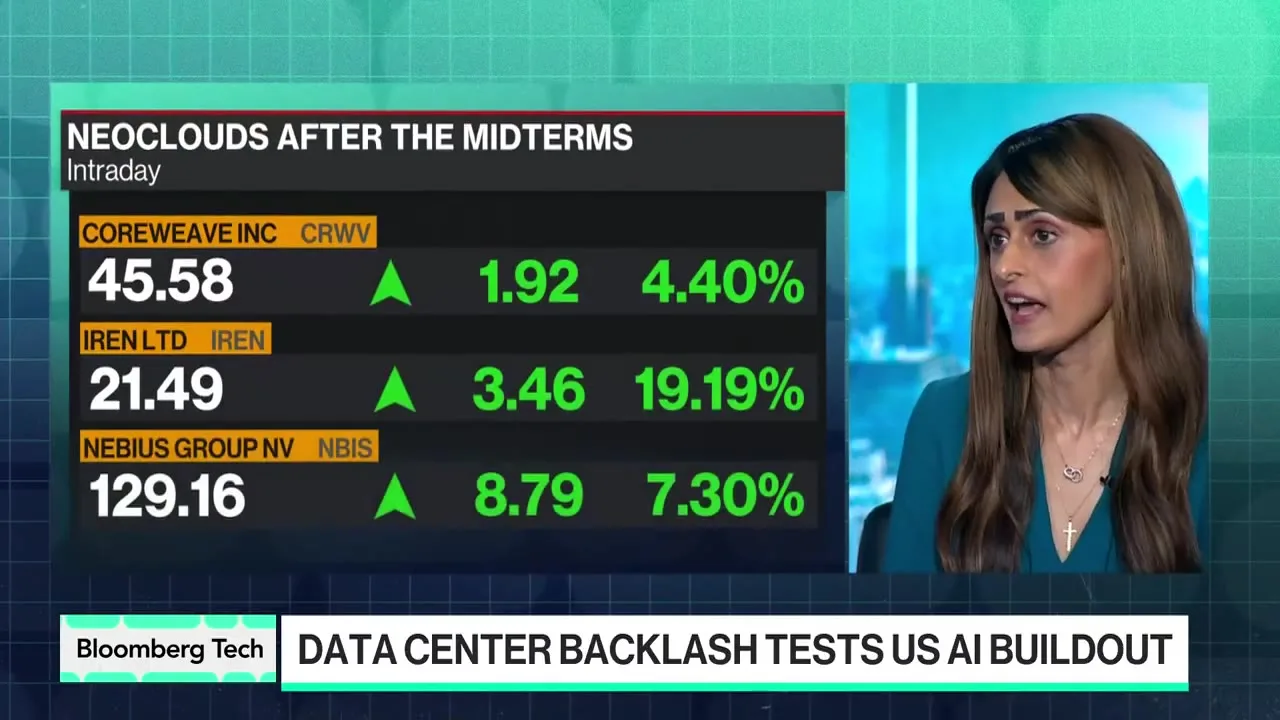
On Nov. 5, the S&P 500 fell 4.4%, the Dow Jones Industrial Average dropped 3.4% and the Nasdaq composite slid 5.5%, The Associated Press reported. The declines came amid investor concern about the expense and financing of AI data centers and the prospect of limits on new construction.
India’s Nifty 50 and Sensex each gained 2.4% that day, Reuters reported. Reuters said foreign investors made net purchases of ₹147.96 billion ($1.6 billion) in Indian shares, the largest daily total since Feb. 24, 2021. Finostat and NiftyTrader dashboards citing National Stock Exchange of India (NSE) data showed ₹149.75 billion for Nov. 5. The NSE says combined exchange figures are provisional and can change after custodial confirmation. Reuters said the earlier ₹287.39 billion purchase on Feb. 24, 2021, included a large promoter-driven block deal.
NDTV Profit reported that a Zerodha chart compared a hypothetical ₹100 investment made on Jan. 3, 2022, in a quarterly rebalanced basket of 31 global AI companies with Indian indexes. At a latest reading whose date was not stated, the equal-weighted AI portfolio stood at ₹426 and the market-cap-weighted portfolio at ₹267. The Nifty 100 was at ₹143 and the Nifty IT index at ₹84. The report did not identify the chart’s end date or list the companies.
The chart points to a potential cost when AI-linked shares lead a rally: Indian benchmarks trailed both portfolios in the comparison. Kamath has also argued for more risk capital to help Indian companies compete in frontier AI, as EconoTimes previously reported. The figures do not establish that India’s limited AI exposure caused lower volatility, and one day of foreign buying does not show a lasting change in investor demand.