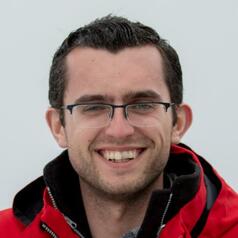
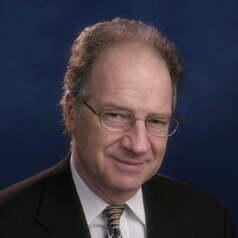
I am a glacial geophysicist with expertise in remote sensing. Specifically, my research aims to unravel the key ice, ocean and atmosphere interactions responsible for controlling the pronounced deterioration of the world’s ice sheets and glaciers since the beginning of the observational era (c. 1960). To do this, I utilise a suite of cutting-edge satellite and airborne geophysical imaging techniques, ocean and atmosphere model outputs and data collected in the field (on ice or by boat). My current research is supported by The Prince Albert II of Monaco Foundation. At Cambridge, in addition to supporting Part 1A teaching at Jesus College, he contributes to the MPhil in Polar Studies degree programme offered by the Scott Polar Research Institute, and lectures on topics pertaining to the remote sensing of the cryosphere. I gained my MA (First Class Hons) degree in Geography from University of Aberdeen in 2014 and, following a brief interlude in industry, later obtained my PhD degree in Atmospheric and Environmental Science from the University of Edinburgh in 2018. I am a Fellow of The Geological Society of London, and have recently published research in a selection of world-leading journals including Science and Geophysical Research Letters, and frequently acts as a reviewer for these journals and more. My work has also recently been cited in several high-profile Intergovernmental Panel on Climate Change (IPCC) publications including, most notably, the IPCC’s ‘Climate Change 2021: The Physical Science Basis’ (The Working Group I contribution to the IPCC Sixth Assessment Report).
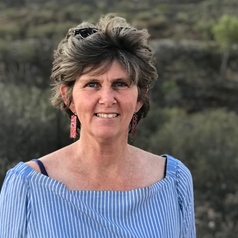
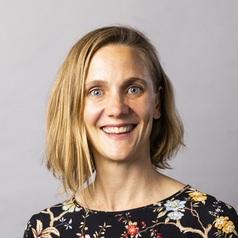
Ethnoecologist, The University of Western Australia Fiona works for Aboriginal people and organisations in cross-cultural contexts. After a science degree in Zoology she learnt from Martu about bush foods, ngurra (Country) and 1980s outstation life. She contributed to the successful Martu Native Title Determination. Her PhD is in Botany and Anthropology. Mparntwe / Alice Springs is her home of 30 years. She was a CSIRO Scientist and, following the closure of CSIRO Alice Springs laboratory, now works an independent consultant Ethnoecologist. She has co-written many chapters, books, reports. She also works as a photographer and film-maker with media effective in cross-cultural and intergenerational communication. The desert people and termite research has received two minor funding awards. It is largely unpaid but motivated by respect for Aboriginal people and their knowledge and desert landscapes.
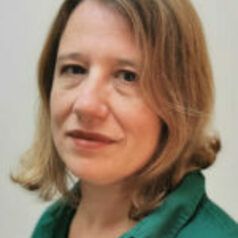
PhD Candidate, Faculty of Education, York University, Canada I have worked in education for over 15 years, in the capacity of teaching, student services, leadership and research in K-12 and higher education. Currently I am a full-time PhD candidate in the Faculty of Education at York University. My research interests are in engineering ethics education, philosophy of technology and ethics as pedagogy. My PhD research is tied to a cross-institutional research project with researchers from the University of Manitoba, University of Waterloo, Memorial University and York University. We are investigating technological stewardship and pedagogy within and beyond the Technological Stewardship Practice Program which was launched by the Engineering Change Lab and MaRS Discovery District. Additionally, I teach a first year engineering ethics, creative problem solving and communications course at the Lassonde School of Engineering at York University, and I sit on the Joint APPRC-ASCP Task Force on the Future of Pedagogy at York University. Prior to beginning my PhD, I was a Senior Manager, Education Planning and Development at Toronto Metropolitan University where I led culture change related to advancing pedagogy and ethics in engineering education.
Professor of Pediatrics, School of Medicine, University of Washington Dr. Rivara served as founding director of the Harborview Injury and Research Center in Seattle for 13 years, founding president of the International Society for Child and Adolescent Injury Prevention, and his contributions to the field of injury control have spanned 30 years. He has received numerous honors including the Charles C. Shepard Science Award from the Centers for Disease Control and Prevention, the American Public Health Association, Injury Control and Emergency Health Services Section Distinguished Career Award, and the American Academy of Pediatrics, Section on Injury and Poison Prevention, Physician Achievement Award, and the UW School of Public Health Distinguished Alumni Award. Rivara was elected to the Institute of Medicine in 2005. Rivara is also a founding board member of the Washington State Academy of Science. He was one of the editors of WHO's report, World Report on Child Injury.
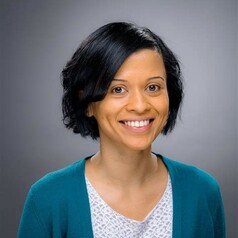
Research Principal, Institute for Sustainable Futures, University of Technology Sydney Research Principal at the Institute for Sustainable Futures at University of Technology Sydney. Passionate about local food systems, community engagement and interdisciplinary research.