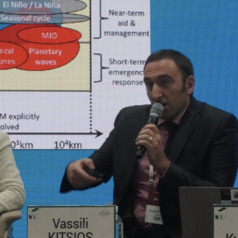
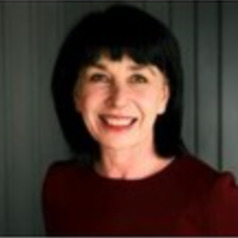
Senior Research Scientist, Climate Forecasting, CSIRO Dr Kitsios completed a PhD with the University of Melbourne and the Université de Poitiers (France) on fluid dynamical stability and model reduction of aerospace flows (2006-2010). He then undertook post-doctoral research with the CSIRO Oceans and Atmosphere division (2010-2013) and the Monash University (2013-2016), on the massively parallel numerical simulation (32,000 cores) and stochastic parameterisation of atmospheric, oceanic and boundary layer turbulence. He then held an industrial research position at a hedge fund (2016-2017) developing trading algorithms on the basis of macroeconomic themes and market conditions. Since re-joining CSIRO in 2017, he has been undertaking research on the data assimilation and stochastic modelling methods for improved climate state / parameter estimation and forecasting. His most recent research involves the application of machine learning for climate emulation, and quantifying the influence of climate on financial markets and health indicators.
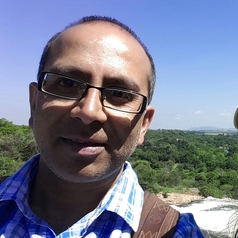
Professor in Clinical Biochemistry, University of Westminster Dr Vinood B. Patel BSc, PhD, FHEA, FRSC is a Professor in Clinical Biochemistry at the University of Westminster. Dr Patel graduated from the University of Portsmouth with a degree in Pharmacology and completed his PhD in protein metabolism from King’s College London in 1997 and post doctoral studies at Wake Forest University Medical School, USA. He presently directs studies on metabolic pathways involved in diabetes and liver disease, particularly related to mitochondrial energy regulation and cell death. Research is being undertaken to study the role of nutrients, antioxidants, phytochemicals, iron, alcohol and fatty acids. Other areas of interest include identifying new biomarkers that can be used for diagnosis and prognosis of liver disease, understanding mitochondrial oxidative stress in Alzheimers disease. Dr Patel has edited biomedical books in the area of diet, nutrition and health prevention, biomarkers, has published over 150 articles. He was elected to the Royal Society of Chemistry in 2014.
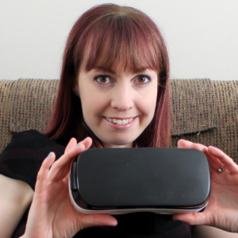
Associate Professor, School of Journalism and Communication, Carleton University Vicky McArthur is a researcher who studies game design, immersive documentary, augmented reality (AR), and virtual reality (VR). She is the co-director of MARVEL (the Mixed and Augmented Reality and Virtual Environments Lab) where she works with motion capture, 360 cameras, and mixed reality technologies.
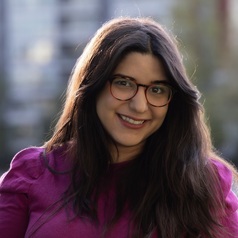
Professor of Pyscho-Oncology, School of Psychology, Deakin University Victoria White is a Professor (Psych-Oncology) in the School of Psychology and is a co-director of Deakin University’s recently established Carer Hub, a research centre focusing on improving outcomes for those caring for someone with cancer. She has over 25 years’ experience in cancer control and oncology research, working across a range of cancer related behaviours including smoking uptake, alcohol use, understanding treatment patterns for different cancers and uptake and utility of supportive care programs for people affected by cancer. She has substantial experience in conducting systematic reviews and her research has utilised a range of research designs including randomised control trials, longitudinal and cross-sectional research designs. She is a member of Cancer Council Victoria’s Medical and Scientific: Standing Research Sub-Committee (Deputy Chair since 2023). She is also a reviewer/panel member for grant schemes run by Australian Research Council, National Breast Cancer Foundation, South Australia’s Medical Research Institute, Cancer Australia’s Priority driven Grant scheme. Professor White has published over 200 articles in peer-reviewed journals, with 15% of publications ranked in the top 10% most cited publications worldwide. In addition, she has authored more than 120 reports for state and federal governments, non-government and cancer advocacy organisations and health services, showing the impact of her work at a policy/practice level. Her work has been cited more than 11550 times across 115 countries.
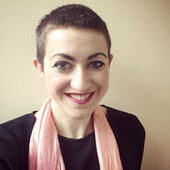
Research Associate in Medical Humanities, Durham University I am an interdisciplinary medical humanities researcher, bringing together social science and literary studies methods to explore narratives and experiences of madness and mental distress. I am currently a postdoctoral research fellow at the Institute for Medical Humanities where I am studying anxiety. In particular, I am interested in how anxiety is depicted in fiction, how these depictions are understood and assessed by people with experience of anxiety, and how anxiety might impact practices of reading and viewing fiction. This work emerges out of my PhD, which explored cultural representations of self-harm in literature, film, and television. Throughout my work I use an interdisciplinary method to re-centre lived experience of madness and mental distress within questions of literary analysis and interpretation. Through this I explore broader questions of the relationship between the social and the cultural, the role of fictional texts in constructions of subjectivity, and the tension between personal sense-making and broader structural formations of meaning. Blending sociological discourse analysis and literary close reading I connect literary questions of genre, form, voice and narrative structure to sociological questions of identity, experience and chronicity. A short introduction to my research and the topic of narratives of self-harm, originally presented at a Time to Change event held on World Mental Health Day, can be viewed here: https://youtu.be/t3b06XaEmKA I am currently undertaking a 2-year project at the Institute for Medical Humanities investigating narratives and experiences of debilitating anxiety. My doctoral research explored cultural representations of self-harm, as experienced and understood by people who have self-harmed. I am interested in bringing together Literary Studies and Sociological methods to explore the interplay and overlap between narrative and experience, particularly with regards to madness and mental distress. I use engaged and collaborative methods to centre lived experience within research. I am also the co-founder of Make Space, a user-led collective which seeks to facilitate more generous and nuanced conversations around self-harm.