An EconoTimes perspective
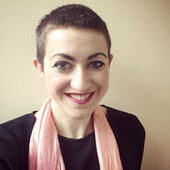
Veronica Heney
Research Associate in Medical Humanities, Durham University
Research Associate in Medical Humanities, Durham University I am an interdisciplinary medical humanities researcher, bringing together social science and literary studies methods to explore narratives and experiences of madness and mental distress. I am currently a postdoctoral research fellow at the Institute for Medical Humanities where I am studying anxiety. In particular, I am interested in how anxiety is depicted in fiction, how these depictions are understood and assessed by people with experience of anxiety, and how anxiety might impact practices of reading and viewing fiction. This work emerges out of my PhD, which explored cultural representations of self-harm in literature, film, and television. Throughout my work I use an interdisciplinary method to re-centre lived experience of madness and mental distress within questions of literary analysis and interpretation. Through this I explore broader questions of the relationship between the social and the cultural, the role of fictional texts in constructions of subjectivity, and the tension between personal sense-making and broader structural formations of meaning. Blending sociological discourse analysis and literary close reading I connect literary questions of genre, form, voice and narrative structure to sociological questions of identity, experience and chronicity. A short introduction to my research and the topic of narratives of self-harm, originally presented at a Time to Change event held on World Mental Health Day, can be viewed here: https://youtu.be/t3b06XaEmKA I am currently undertaking a 2-year project at the Institute for Medical Humanities investigating narratives and experiences of debilitating anxiety. My doctoral research explored cultural representations of self-harm, as experienced and understood by people who have self-harmed. I am interested in bringing together Literary Studies and Sociological methods to explore the interplay and overlap between narrative and experience, particularly with regards to madness and mental distress. I use engaged and collaborative methods to centre lived experience within research. I am also the co-founder of Make Space, a user-led collective which seeks to facilitate more generous and nuanced conversations around self-harm.
The latest from Veronica
A new voice. More to come.
This contributor has not published a story yet. Explore the latest from our desks.