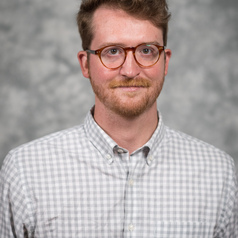
PhD Candidate, Marine Tropicalisation, University of Southampton I am a PhD student at the National Oceanography Centre (University of Southampton), using traditional surveys and molecular techniques to document how coastal species change their distributions in response to climate change, and how that impacts them on the ecological and genetic levels. My research interests range from changes in global biodiversity patterns, through to ecosystem and population level changes. My Master’s dissertation at the University of Leeds focused on herbivory across subtropical and tropical coral reefs. Aside from my passion for research, I am also interested in sustainability and education.
Professor of English and Education, Central Michigan University Troy Hicks, PhD, is Professor of English and Education at Central Michigan University, where he collaborates with K–12 colleagues to explore how they implement newer literacies in their classrooms and teaches master’s and doctoral courses in educational technology. He is also Director of the Chippewa River Writing Project, a site of the National Writing Project. A former middle school teacher, he has received numerous awards including the Michigan Reading Association Teacher Educator Award and the Central Michigan University Excellence in Teaching Award, and is an ISTE Certified Educator, a trained facilitator in digital storytelling through StoryCenter and story exchanges through Narrative4, and an affiliate faculty member with the Media Education Lab.
Assistant Professor of English, Texas Woman's University I am an Assistant Professor of Rhetoric at Texas Woman's University, where I teach courses in writing, rhetoric, communication, and grammar. My research concerns automated language technologies and generative AI, particularly as they relate to the teaching and learning of writing.
Professor of Geography, Michigan State University Elizabeth Mack is a Professor in the Department of Geography, the Environment, and Spatial Sciences at Michigan State University where she teaches courses in economic geography. Dr. Mack’s research utilizes mixed methods to understand the evolution of the economy in the face of rapid technological change and climate change. Research on technological change evaluates the impact of information and communications technologies (ICTs) on the development trajectory of regional economies and everyday work. Her work on the environment and climate change evaluates household responses to changing environmental contexts, as well as uses and the ability to pay for water services. Dr. Mack’s research has been funded by a variety of agencies including the National Science Foundation (NSF), the United States Department of Agriculture (USDA), the National Aeronautics and Space Administration (NASA) and the Kauffman Foundation for entrepreneurship research.
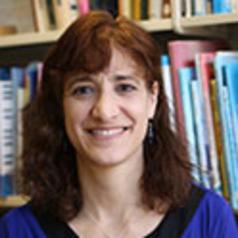
Professor of Library and Information Science, Drexel University Dr. Agosto is Professor in the College of Computing & Informatics at Drexel University, where she serves as Director of the Masters of Science in Library and Information Science program. Her research investigates young people’s use of information and information technologies, the role of social context in shaping youths’ information practices, and public library services. She is widely published in these areas and is the recipient of numerous teaching and research awards.
Research Associate Professor of Nursing and Health Innovation, Arizona State University Barret Michalec, PhD, is the Director of ASU’s Center for Advancing Interprofessional Practice, Education and Research and Associate Professor at the Edson College of Nursing and Health Innovation. As Director, he promotes and enhances ongoing CAIPER initiatives and programs, cultivates productive collaborative partnerships, as well as identifies and expands interprofessional learning and practice opportunities for students, faculty, and community members. As a sociologist, Barret brings unique and novel perspectives on various aspects of IPE/IPCP, with a keen eye on evaluation and assessment. His research focuses on socialization and professionalization processes and mechanisms within health professions education, disparities in health and health professions, intergroup and interpersonal processes, as well as empathy, emotional contagion, and humility.