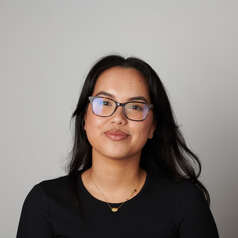
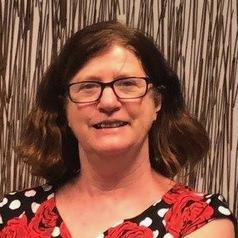
PhD Candidate in Clinical Psychology, School of Health Sciences, Swinburne University of Technology Rebecca is a first year PhD (Clinical Psychology) candidate at Swinburne University of Technology. Her PhD research examines the relationship between negative affect/mood (i.e., anxiety, distress, depression) and alcohol hangover, as well as the functional impairments (i.e., reduced driving capabilities) associated with hangovers. She also works as a research assistant with Summer Foundation in neurological disability research, specifically in co-design, housing, and well-being outcomes. Her previous research work also includes research in gambling disorders and other behavioural addictions at Deakin University.
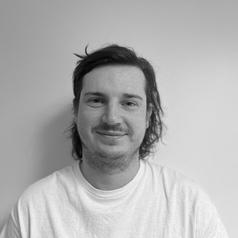
Postdoctoral Research Fellow in Psychopharmacology, Swinburne University of Technology Blair Aitken is a Postdoctoral Research Fellow at Swinburne University of Technology and a member of the International Council on Alcohol, Drugs and Traffic Safety (ICADTS) Special Interest Group for ‘Driver State Monitoring Systems.’ Dr. Aitken’s research investigates the impact of recreational drugs and commonly prescribed medications on cognition, driving performance, and associated ocular behavior. His current work leverages advanced eye-tracking technology to identify novel real-time indicators of drug-induced driving impairment.
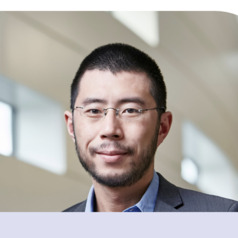
Radiation Oncologist at Peter Mac; Course Coordinator, Masters of Cancer Sciences, The University of Melbourne Dr David Kok is a Radiation Oncologist and Medical Educator dually employed by the Peter MacCallum Cancer Centre and The University of Melbourne. He holds numerous senior roles, including being Peter Mac's Associate Director of Radiation Oncology (Education) and Director of Peter Mac's Monash Moorabbin campus. Clinically, he treats all tumour subtypes but has a particular interest in skin, urological and neurological malignancies. He has expertise in the use of Stereotactic Radiosurgery, VMAT and Intensity Modulated radiotherapy to achieve the best possible outcomes for his patients. David is also an award winning medical educator. He completed an education degree alongside his medical degree and also completed a medical education fellowship before taking up his current position as the inaugural Course Convenor of the University of Melbourne's Master of Cancer Science Degree - a program delivered jointly by the University of Melbourne and the Victorian Comprehensive Cancer Centre. Delivered online using a variety of innovative methods including interactive case scenarios, fully animated videos and virtual reality simulations, it has been recognised as a sector-leading degree with numerous international accolades and is one of the University's fastest growing degrees. In addition he has led the design of two short courses and three microcertifications for the University. David sits on a range of national and international educational committees. This includes being the Chair of the VCCC Alliance's Cancer Education and Training Advisory Committee - the overarching educational committee that sits across the Alliance's 10 hospital's and academic institutions - and Chief of Training and Assessment for the Royal Australian and New Zealand College of Radiology's Faculty of Radiation Oncology. He is also an Adjunct Associate Professor in the Monash University Department of Medical Imaging and Radiation Sciences. He has published and lectured widely relating to best practice in tertiary and postgraduate medical education.
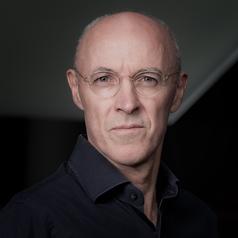
Professor and Chair of Linguistics, University of Sydney I am Professor and Chair of Linguistics at The University of Sydney, Director of the Sydney Social Sciences and Humanities Advanced Research Institute, and the Sydney Initiative for Truth. My research on language, culture and cognition is part of a long-term project aimed at understanding the foundations of human agency.
Honorary Senior Lecturer, School of Physics, UNSW Sydney My research interests are in radio, millimetre and sub-millimetre astronomy, molecular line astronomy, bioastronomy and computational astrophysics. After taking formal retirement during COVID, I am continuing to work on my pet projects, including Detecting new complex organic molecules in space, and hopefully finding some of the building blocks of life; Using very complex organic molecules to put an evolutionary sequence on the formation of stars; Determining how the structure of the Milky Galaxy affect the formation of stars, and Investigating the relationship between turbulence in gas in the Milky Way Galaxy and star formation. Using data intensive astronomy together with computational astrophysics to understand the relationship between star formation and the surrounding interstellar medium.