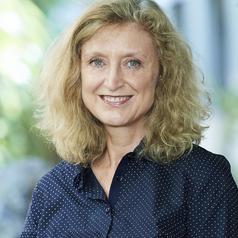
Associate Professor, Sydney Medical School, University of Sydney Associate Professor Karen Scott is Head of Sydney Medical Program's Evaluation Unit. Karen conducts medical education research, including program evaluation, student learning, teacher beliefs, elearning and the culture of healthcare settings. She also researches digital health literacy to understand how parents and young people use and assess health information on the internet and social media. She codesigns educational resources with young people so they can learn to identify trustworthy online health information. Karen is Editor of the journal, Focus on Health Professional Education.
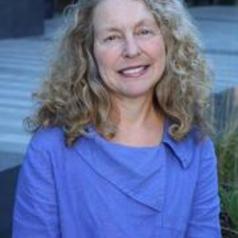
Chief Scientist, Center for Bioethics and Humanities and Professor of Medicine and Public Health, University of Colorado Anschutz Medical Campus Professor Lisa Bero is a pharmacologist and researcher in evidence-based health care who is internationally renowned for her studies on the integrity of clinical and basic research evidence that is used to influence health policy, and the manner in which evidence is communicated to key groups such as physicians, policy-makers, journalists and the community. Professor Bero is recognised for her methodological studies on bias (including publication/reporting, design and funding biases) in the fields of clinical medicine (pharmaceuticals), tobacco control and environmental research, and on the use and implications of the evidence for prescribing decisions/policy. Her expertise lies in investigating hidden biases in the design, conduct and publication of research, and includes ground-breaking work that demonstrated the selective reporting of data for drugs approved by the FDA which showed that including unpublished outcomes of drug studies in meta-analyses changes the results of all relevant meta-analyses. These findings have contributed to open access data reforms such as access to information from drug regulatory agencies and improved reporting requirements for clinical trials on the clinicaltrials.gov registry.
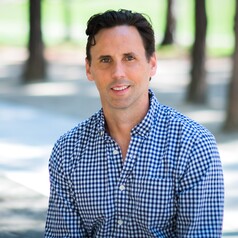
Senior Research Fellow, Faculty of Medicine & Health, University of Sydney Nick Chartres is a Senior Research Fellow at The University of Sydney. He specialises in studying commercial determinants of health, focusing on chemicals, fossil fuels, nutrition and public health. He is coordinating a program of work in collaboration with the Program on Reproductive Health and the Environment (PRHE), University of California, San Francisco to Analyse and Counter Industry Health Harms to safeguard public health and ensure a more fair and equitable society. Nick has extensive experience in evidence synthesis, including the use of systematic review methods and works with international organizations and agencies to implement empirically based methods to develop guidelines and risk assessments to ensure improved consistency, greater transparency, and reduced bias when evaluating the scientific evidence and formulating recommendations.
Assistant Professor, Sociology, University of Victoria Anelyse Weiler is an Assistant Professor of Sociology at the University of Victoria. Her research explores the convergence of social inequalities and environmental crises, with a focus on struggles for migrant justice and decent work across the food chain.
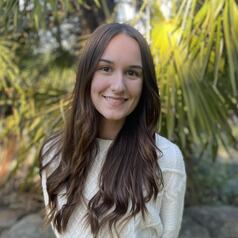
PhD Student, Sociology, University of Victoria My research focuses on the intersection between labour rights and climate justice, precarious work, gendered roles, and green jobs. Beyond academia, I was the climate and labour project coordinator with the Worker Solidarity Network. In this role, I conducted community outreach, hosted educational workshops, and advocated for improved labour standards in the face of climate change - specifically collaborating with non-unionized workers in British Columbia.
Professor of Earth Sciences, University of Oxford Broadly, my research concerns the ocean’s role in the global carbon cycle, and in particular the complex interplay between climate, ocean circulation, and ocean biogeochemistry. Understanding and modeling these interactions is one of the fundamental challenges in science, and the key to unraveling the human impact on Earth’s climate. My research addresses many different aspects of this broad theme. For instance, I use geochemical tracer observations in combination with inverse methods to quantify the uptake of anthropogenic CO2 by the ocean. I also develop coupled physical circulation and biogeochemical models to address a variety of problems in climate science such as the role of the biological pump in partitioning CO2 between the atmosphere and ocean. I use a wide range of tools and approaches in my work, and am actively engaged in the development of mathematical and computational models and tools that enhance our ability to simulate the climate system. I believe that a balanced approach, in which theory, simulation, and observations play complementary roles, is critical for advancing our understanding of the ocean and climate.