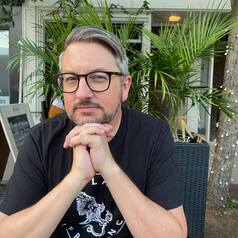
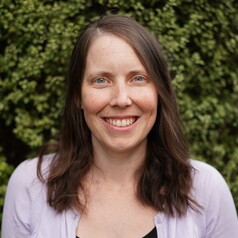
Professor of Psychology, University of Toronto In general, my lab focuses on issues of social connection and disconnection. I’m well versed in attachment theory, and have spent a lot of time working on issues around the intersection of attachment avoidance and intimacy (e.g., Muise et al., in press; Sanscartier & MacDonald, 2019; Schrage et al., in press). However, much of the research in my lab is student-driven, so it is difficult to anticipate what direction the lab’s work will take in the future. For example, my past students have developed ideas around fears of being single (e.g., Spielmann et al., 2013), relationship decision making (e.g., Joel et al., 2013), and implicit beliefs about sexuality (e.g., Maxwell et al., 2017). My current students focus on issues including positive emotion in romantic relationships, relationship maintenance processes, and even the process of conducting research itself. I’m always open to pursuing a good idea. However, one emerging theme of the lab’s work is the intersection of singlehood and sexuality. Long-term singlehood is becoming increasingly common yet little is known about what predicts well-being in singlehood (Pepping, MacDonald, & Davis, 2018). Some data from my lab suggests that feeling sexually satisfied is particularly related to being happy with singlehood and life in general (Park, Impett, and MacDonald, in press). But what leads people to feel like their sexual needs are met (or not) as a single person? Not only do we not know, but we don’t even have good measurement instruments to answer the question. My lab is trying to work on both of these issues. Some broader issues that interest me now include thinking about attachment theory in light of longitudinal findings on the relatively small role of childhood treatment in adult attachment security (see Fraley & Roisman, 2019), the role of Big 5 Personality traits in attraction and maintenance of relationships (e.g., Park & MacDonald, 2019), and better understanding what people are doing psychologically when they let go of a close relationship (e.g., LeRoy et al., 2019).
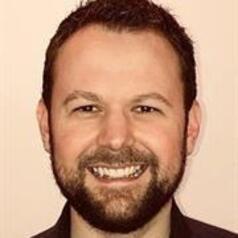
Associate Professor in Clinical Psychology, Griffith University Dr Pepping is Associate Professor in Clinical Psychology in the School of Applied Psychology. His research is focused broadly on the social determinants of mental health and has two main interdependent themes: (1) mental health of stigmatized groups, with a particular focus on LGBTQ+ populations; and (2) close relationships, including the role of social connection and disconnection in mental health outcomes, experiences of singlehood, and the conditions under which relationship processes may buffer the effects of stigma. Dr Pepping’s research program includes national longitudinal cohort studies, intervention development and evaluation, and experimental research. His work has featured in national and international media, including SBS, ABC Radio, New York Times, Yahoo News, The Independent, and Medical News Today. Dr Pepping is a Member of the Australian Psychological Society (APS), a Fellow of the APS College of Clinical Psychologists, and a Member of the Australian Professional Association for Trans Health. He serves on the Scientific Advisory Committee of the Mental Health Foundation Australia, and has served on Editorial Boards of scientific journals including Journal of Social and Personal Relationships, Mindfulness, and BMC Psychology. He teaches and supervises students enrolled in postgraduate psychology programs and provides training to psychologists and mental health practitioners in LGBTQ+ Affirmative Therapy. Dr Pepping is passionate about research supervision and has supervised to successful completion 41 PhD, Doctorate, Masters, and Honours students. He also maintains a small clinical practice. Research Interests: LGBTQ+ mental health; Mental health consequences of stigma; social/relational determinants of psychopathology; role of internalized stigma in the development and maintenance of mental health problems; singlehood experiences (well-being, stigmatization, and mental health outcomes); romantic relationships; diversity in relationships.
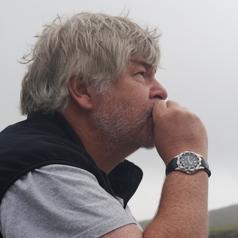
Director of the Institute of Marine Science, University of Auckland, Waipapa Taumata Rau Professor Simon Thrush is Director of the Institute of Marine Science and Director of the George Mason Centre for the Natural Environment at the University of Auckland. Professor Thrush has a strong research focus on the interactions between ecosystems and society as we seek to identify effective processes for change that will help society make informed choices about how we restore, conserve and use marine ecosystems. He is interested in the positive potential we have to actively restore degraded coastal ecosystems by generating the ecological knowledge needed for successful restoration, identifying the ecosystem benefits this will provide and in sustaining engagement of society. Professor Thrush obtained a BSc (Hons) from the University of Otago and a PhD from the University of East Anglia, England. He has over 30 years’ experience in the development and implementation of strategic ecological research to influence resource management and improve societal valuation of marine ecosystems. He has worked in New Zealand, Europe, USA and Antarctica, has contributed to over 200 publications in the peer reviewed scientific literature and collaborates with colleagues around the world.
Lecturer in Marine Science, University of Auckland, Waipapa Taumata Rau Dr Rebecca Gladstone-Gallagher is a Lecturer in Marine Science at the University of Auckland. Dr Gladstone-Gallagher is a marine ecologist investigating degradation, recovery, and restoration in coastal marine ecosystems. She is particularly interested in the connections and interactions between the biodiversity and how the ecosystem functions. These connections and interactions are key to how ecosystems respond to human made stress and she uses this ecology to develop frameworks and recommendations to assist environmental management decisions. Dr Gladstone-Gallagher obtained her PhD (Biological Sciences) from the University of Waikato, has over ten years of experience in marine ecology research, and is an active contributor to the peer reviewed scientific literature.
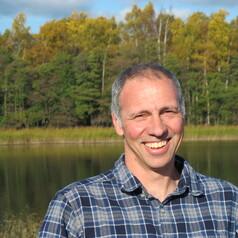
Associate Professor Department of Psychiatry, L’Université d’Ottawa/University of Ottawa Marco Solmi, MD, psychiatrist, PhD, is Associate Professor and Director of Research, Department of Psychiatry, University of Ottawa, Canada, Medical Director of On Track First Episode Psychosis program and of the Eating Disorders program, The Ottawa Hospital, Scientist, Department of Child and Adolescent Psychiatry, Psychosomatics and Psychotherapy, Charité University Medicine Berlin, visiting academic at University of Southampton, School of psychology and King's College, IoPPN, Psychosis Department, UK, and affiliate at the Stanford University METRIC center. He is Chair of ECNP Physical And meNtal Health (PAN-Health) Thematic Working Group (TWG), and member of the others European and Canadian psychiatric associations. He is interested in meta-research and epidemiology, to study prevention/early interventions, psychopharmacology, and physical health in those with mental disorders. He authored over 420 publications in leading medical journals, is among top 0.1% Clarivate Highly Cited Researchers in Psychiatry and Psychology since 2021, and his work has been cited over 30,000 times.