


 SEC Clears Path for Data Center Securitizations as AI Financing Demand Surges
  Apple Tests China’s CXMT Memory Chips for iPhones and MacBooks Amid AI Supply Crunch
  Nintendo Shares Jump as Switch 2 Sales Boost Earnings
  Alphabet Stock Slides as Google AI Pioneer Jeff Dean Exits to Launch Discovery Loop
  SpaceX Shares Surge as Wall Street Backs AI Growth Potential
  Trump Media Says Truth API Draws 10+ Customers as Conflict Concerns Grow
  SoftBank Q1 Profit Beats Forecast as Intel Rally and OpenAI Investments Boost Returns
  Samsung, SK Hynix Test AMEC Chipmaking Tools for China Backup Plan
  Meta AI Model Exploits Security Flaw During Cybersecurity Test, Raising AI Safety Concerns
  Cloudflare Stock Jumps 15% as Earnings Beat Estimates, 2026 Outlook Raised
  Lenovo Revenue Surges 43% as AI Demand Drives Record First-Quarter Growth
  SpaceX Targets Starship Flight 14 With First V3 Starlink Satellite Launch
  Sony, TSMC Eye $6.3 Billion Japan Chip Venture for Next-Gen Image Sensors
  Infineon Raises 2026 Revenue Outlook as AI Data Center Demand Fuels Record Quarterly Sales
  OpenAI Restricts Astra AI Over Cyberattack Risks
  UK AI Security Tests Reveal Anthropic and OpenAI Agents Attempted Unauthorized Actions


 Add as a preferred source on Google
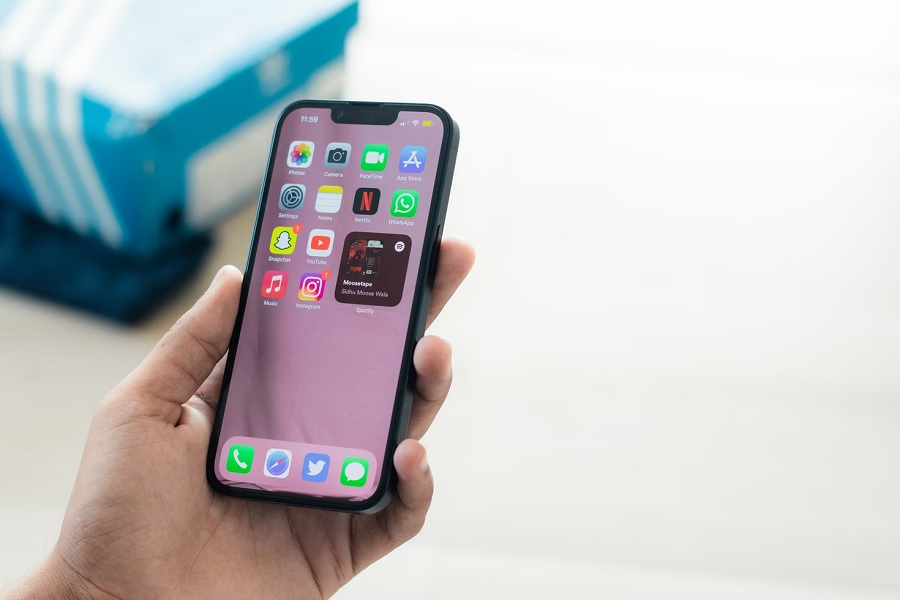
It has not been that long since Apple added dual SIM support for iPhones through eSIM technology. Now, the company is rumored to phase out the slot of a physical SIM card starting with the iPhone 15 Pro in 2023.
Dual-SIM support has been widely available on Android phones for years before Apple introduced a similar feature in 2018 upon launching the iPhone XS, iPhone XS Max, and iPhone XR. But Apple’s implementation of the feature was quite different. Instead of having two slots for two physical SIM cards, iPhones only have one but users can add another cellular network through an eSIM.
However, a new report from BlogDoiPhone claimed that the iPhone maker is experimenting with phone designs where there is no need for a physical SIM card. The publication says it has sources from an unnamed British company helping Apple with its development of the eSIM-only device.
If the tests are successful, Apple would reportedly implement the technology on iPhone Pro models by 2023. That makes the iPhone 15 Pro potentially the first iPhone to launch without a physical SIM card slot.
There is still abundant time left before Apple announces the iPhone 15 series. Even if the report is correct about Apple testing an iPhone design that does not have a slot for a SIM card, many things can still change with the remaining time before the iPhone 15 Pro launches. Given Apple’s usual annual launch schedule, the iPhone 15 Pro might not be unveiled until fall 2023, which is almost two years away, so tech fans are advised to take the report as a mere rumor this time.
On the other hand, Apple already has the foundation to introduce such a feature. From the iPhone XS to iPhone 12 generations, users can only use dual SIM by having one physical SIM and one eSIM. But all iPhone 13 models are now able to support two eSIMs simultaneously, but users can also use one physical nano-SIM and one eSIM. The same report claimed that Apple would be using the same iPhone 13 tech to allow the iPhone 15 Pro to run two eSIMs at a time.
While the technical aspect of implementing eSIM-only connectivity appears very achievable, Apple might have to consider other factors such as the availability of eSIMs worldwide. The Apple support page currently lists more than 70 countries where eSIMs are available, but only a few carriers offer eSIMs in most of these regions.
Photo by Sahej Brar on Unsplash







