


 TSMC Q3 Revenue Beats Estimates as AI Chip Demand Surges
  Apple Supplier Luxshare Faces US Patent Probe, Sees Limited Impact
  Moonshot AI Executives Seek Settlement Ahead of Hong Kong IPO
  Yandex Data Center Hit by Drone Strike as Russia-Ukraine Cyber Infrastructure Attacks Escalate
  Apple Supplier Luxshare Sees Limited Impact From US Patent Probe
  Jameson Lopp Downplays AI Threat to Bitcoin Cryptography
  Trump Buys Up to $25M in Meta Stock, Invests in SpaceX Debt
  Amazon in Talks to Acquire AI Startup Decart for $7 Billion
  Epic Games Delays Disney Shooter, Shifts to AI-First Development
  Oracle Uses Trucked Natural Gas to Power AI Data Centers Amid Pipeline Delays
  OpenAI Annualized Revenue Hits $50 Billion, Below Earlier Estimates
  OpenAI Revenue Hits $50 Billion, Below Earlier $70 Billion Estimate
  Apple Names Steve Smith M&A Chief in Leadership Shakeup
  Samsung, SK Hynix Shares Plunge as China Chip Competition Grows
  Solidigm Taps Goldman, Morgan Stanley for $10 Billion US IPO
  US Suspends Microsoft, Adobe From Green Card Program


 Add as a preferred source on Google
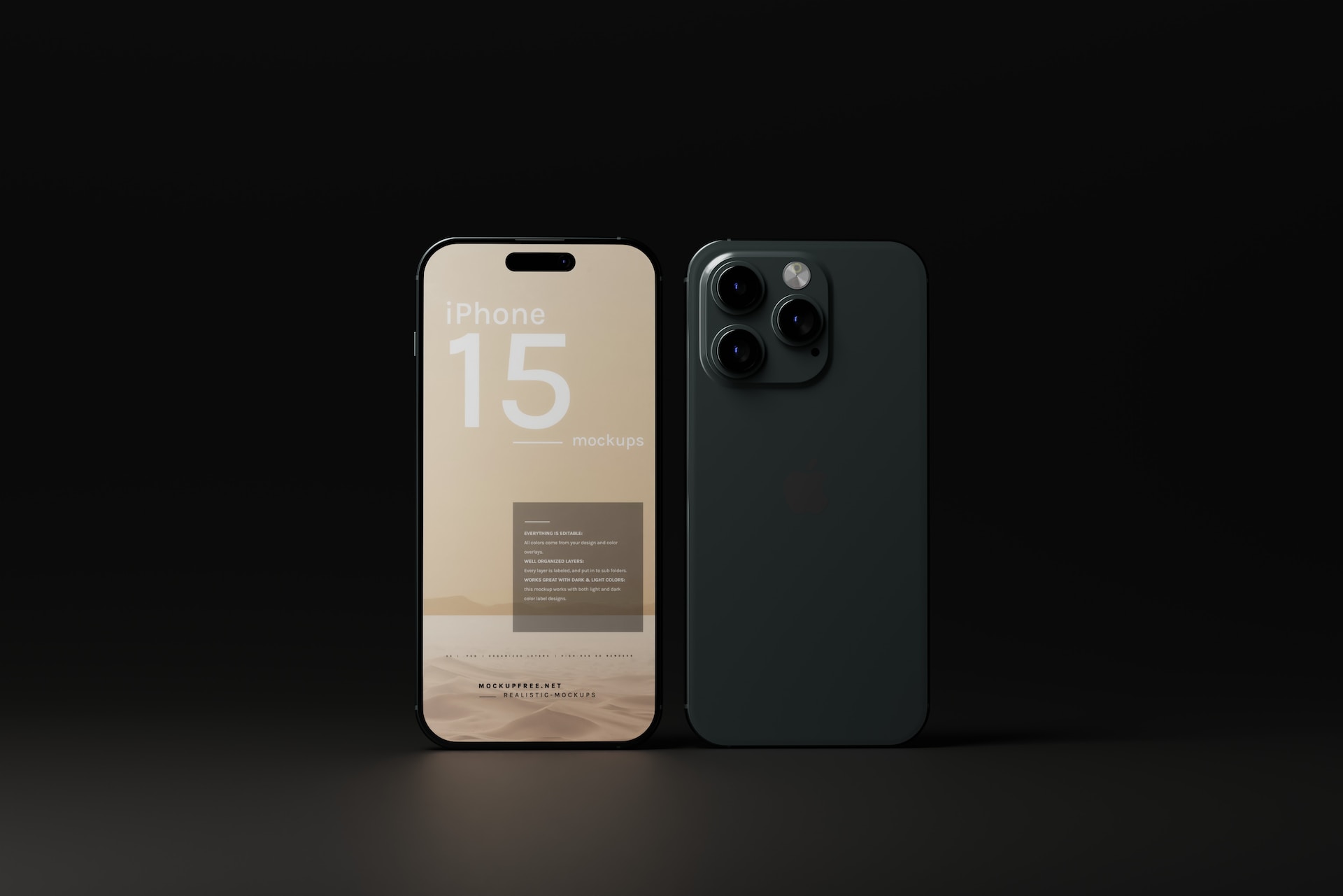
Apple intends to include better telephoto cameras in future iPhone models, and according to one expert, the iPhone 17 Pro Max will include a 48MP sensor, up from the iPhone 15 Pro Max's 12MP tetraprism unit. The enhanced sensor will be meant to interface with the Apple Vision Pro, which is set to come in early 2024, in addition to collecting zoomed images at a greater resolution, according to the report.
iPhone 17 Pro Max Said to Have a 48MP Telephoto Camera
In a research note obtained by MacRumors, analyst Jeff Pu of Hong Kong-based investment firm Haitong International Securities revealed that Apple aims to update the telephoto camera on the iPhone 17 Pro Max. According to Apple's supplier Largan Precision, the top-tier iPhone flagship due in late 2025 will have a 48MP telephoto camera and will be suited for the Apple Vision Pro. Pu did not elaborate on how this 48MP sensor will work with the mixed-reality headset.
The enhanced megapixel count of the iPhone 17 Pro Max, on the other hand, may allow users to view detailed content through the upgraded telephoto lens while wearing the Apple Vision Pro. However, this is pure speculation and should not be recognized as a feature. A rumor claims that Apple will include bespoke Wi-Fi 7 chips in the iPhone 17 Pro and iPhone 17 Pro Max, eliminating reliance on Broadcom.
The Wi-Fi 7 standard provides much faster wireless rates than Wi-Fi 6 and Wi-Fi 6E, and its lower latency means that the iPhone 17 Pro Max can communicate with the Apple Vision Pro for a variety of functions, including media playback. Another analyst, Ming-Chi Kuo, forecasted that the iPhone 16 Pro and iPhone 16 Pro Max would come with updated tetraprism cameras next year, but he did not disclose the full specifications. Thus, the iPhone 17 Pro Max might be Apple's first flagship to include a 48MP telephoto lens.
Apple has also been speculated to include a 10x tetraprism lens in a future iPhone, although this information did not specify whether this technology would be included in the iPhone 17 Pro Max. However, the rumor stated that Apple would be removing LG Innotek from its supply chain and perhaps replacing it with ICT, a subsidiary of Luxshare Precision.
These several rumors indicate that Apple is serious about delivering lossless zoom to its top-tier iPhones. So, those who have yet to upgrade for better hardware will be eagerly awaiting a future release.
Analyst Predicts iPhone 17 Pro Will Include Apple-Designed Wi-Fi 7 Chip
Jeff Pu, an analyst who studies Apple's supply chain, also claimed iPhone 17 Pro versions in 2025 will include an Apple-designed Wi-Fi 7 chip. In another MacRumors report, Pu stated last week in a research report with Hong Kong-based investment firm Haitong International Securities that the technology might pose a long-term threat to Broadcom, which currently supplies Apple with a combined Wi-Fi and Bluetooth chip for iPhones.
Pu predicts that in 2026, Apple will extend its in-house Wi-Fi chip across the full iPhone 18 series. He did not provide any other information on the chip. According to Bloomberg's Mark Gurman, Apple is building its own hybrid Wi-Fi and Bluetooth chip for usage in devices beginning in 2025. However, later that month, supply chain expert Ming-Chi Kuo revealed that it was a Wi-Fi-only chip and that Apple had suspended work "for a while." It's unknown whether development has resumed.
The Wi-Fi chip, like the long-rumored 5G modem for iPhones, would allow Apple to lessen its reliance on external suppliers for components. With Wi-Fi 7 support, iPhone 17 Pro models could simultaneously send and receive data over the 2.4GHz, 5GHz, and 6GHz bands with a certified router, resulting in quicker Wi-Fi speeds, lower latency, and more dependable connectivity.
According to Qualcomm, Wi-Fi 7 may give peak rates of more than 40 Gbps, a 4 increase over Wi-Fi 6E. In August, Pu stated that the iPhone 16 Pro versions that will be released next year would also support Wi-Fi 7, but not with an Apple-designed chip.
Photo: Mockup Free/Unsplash







