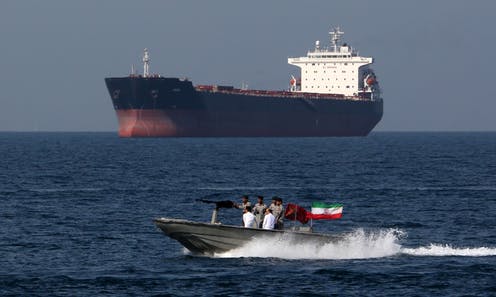
Iran announced the closure of the Strait of Hormuz on Saturday, according to reports from state-affiliated media outlets Tasnim and PressTV. The move was reportedly ordered by the Khatam al-Anbiya Central Headquarters, Iran’s military command center, citing alleged violations of a recent memorandum of understanding (MoU) by the United States and continued Israeli military actions in southern Lebanon.
However, the U.S. Central Command (CENTCOM) disputed Iran’s claim, stating that maritime traffic through the strategic waterway remained active. Reuters also reported that commercial shipping continued to pass through the Strait of Hormuz despite Tehran’s announcement.
Iran argued that Washington breached key provisions of the recently signed 14-point agreement aimed at ending hostilities and reopening the vital oil transit route. Tehran also criticized Israel for ongoing operations against Hezbollah forces in southern Lebanon following a ceasefire agreement reached on Friday.
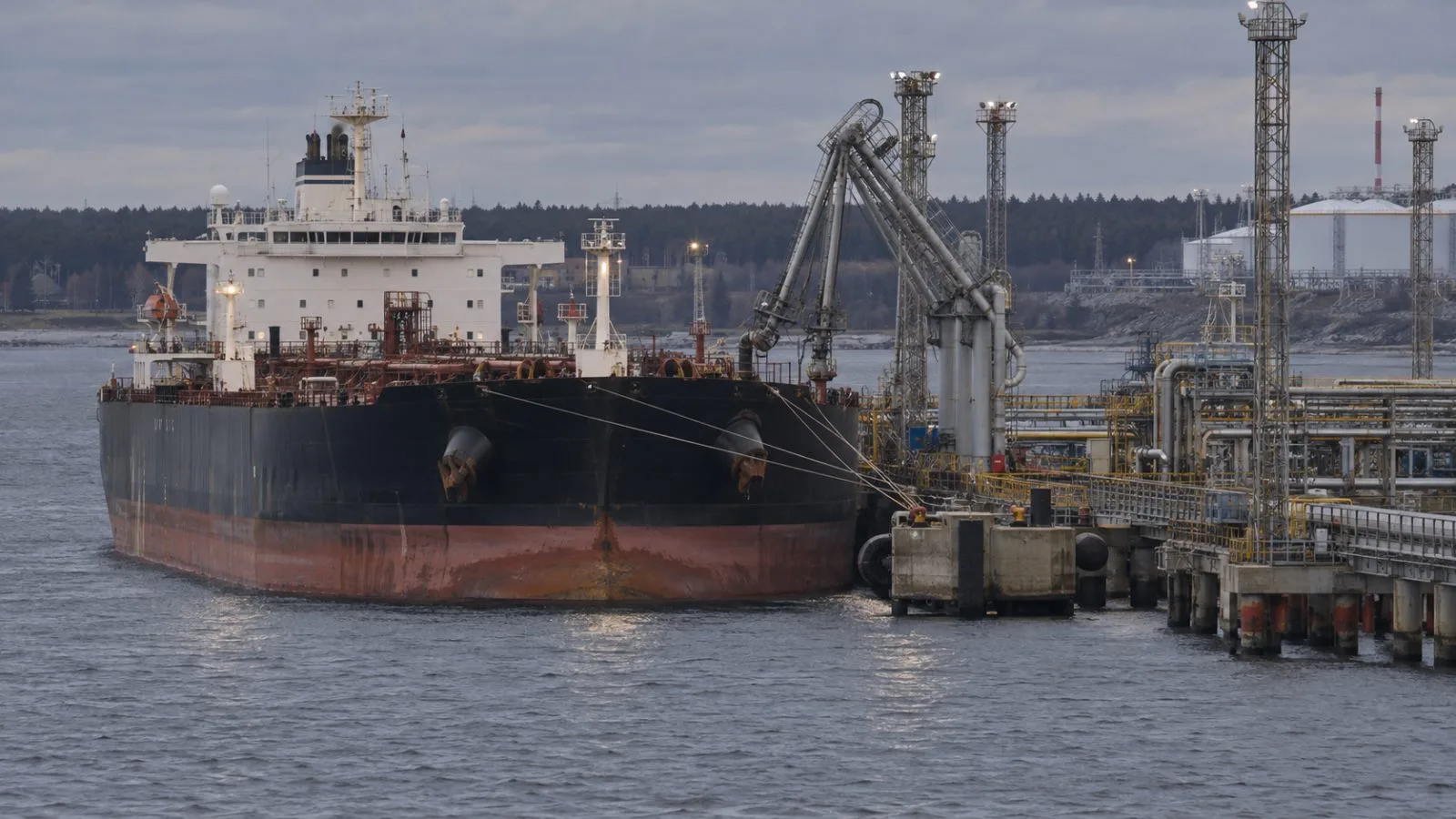
The Strait of Hormuz is one of the world’s most important energy corridors, carrying a significant portion of global oil exports. Any disruption to shipping in the region can have major implications for oil prices and global markets.
Meanwhile, diplomatic efforts remain underway. U.S. Vice President JD Vance said negotiations with Iran were progressing positively and indicated that additional talks could take place in Switzerland within days. Vance also stated there was no evidence supporting claims that Iran had successfully blocked maritime traffic through the strait.
CENTCOM reported improving vessel movement in the region, noting that 55 ships carrying approximately 17 million barrels of oil had recently transited the waterway. The increased traffic followed Iran’s earlier decision to reopen the passage under the terms of the U.S.-Iran agreement.
The recent MoU established a 60-day framework for discussions on Iran’s nuclear program, with Tehran reiterating that it does not intend to develop nuclear weapons. Additional diplomatic meetings involving Saudi Arabia, Turkey, Pakistan, and other regional mediators are expected as efforts continue to preserve the ceasefire and advance U.S.-Iran negotiations.