


 Amazon Stock Rebounds After Earnings as $200B Capex Plan Sparks AI Spending Debate
  SpaceX Prioritizes Moon Mission Before Mars as Starship Development Accelerates
  Weight-Loss Drug Ads Take Over the Super Bowl as Pharma Embraces Direct-to-Consumer Marketing
  SpaceX Seeks FCC Approval for Massive Solar-Powered Satellite Network to Support AI Data Centers
  American Airlines CEO to Meet Pilots Union Amid Storm Response and Financial Concerns
  Elon Musk’s SpaceX Acquires xAI in Historic Deal Uniting Space and Artificial Intelligence
  Nvidia CEO Jensen Huang Says AI Investment Boom Is Just Beginning as NVDA Shares Surge
  Google Cloud and Liberty Global Forge Strategic AI Partnership to Transform European Telecom Services
  Ford and Geely Explore Strategic Manufacturing Partnership in Europe
  Baidu Approves $5 Billion Share Buyback and Plans First-Ever Dividend in 2026
  Missouri Judge Dismisses Lawsuit Challenging Starbucks’ Diversity and Inclusion Policies
  Rio Tinto Shares Hit Record High After Ending Glencore Merger Talks
  Nvidia, ByteDance, and the U.S.-China AI Chip Standoff Over H200 Exports
  Jensen Huang Urges Taiwan Suppliers to Boost AI Chip Production Amid Surging Demand
  Nintendo Shares Slide After Earnings Miss Raises Switch 2 Margin Concerns
  Global PC Makers Eye Chinese Memory Chip Suppliers Amid Ongoing Supply Crunch


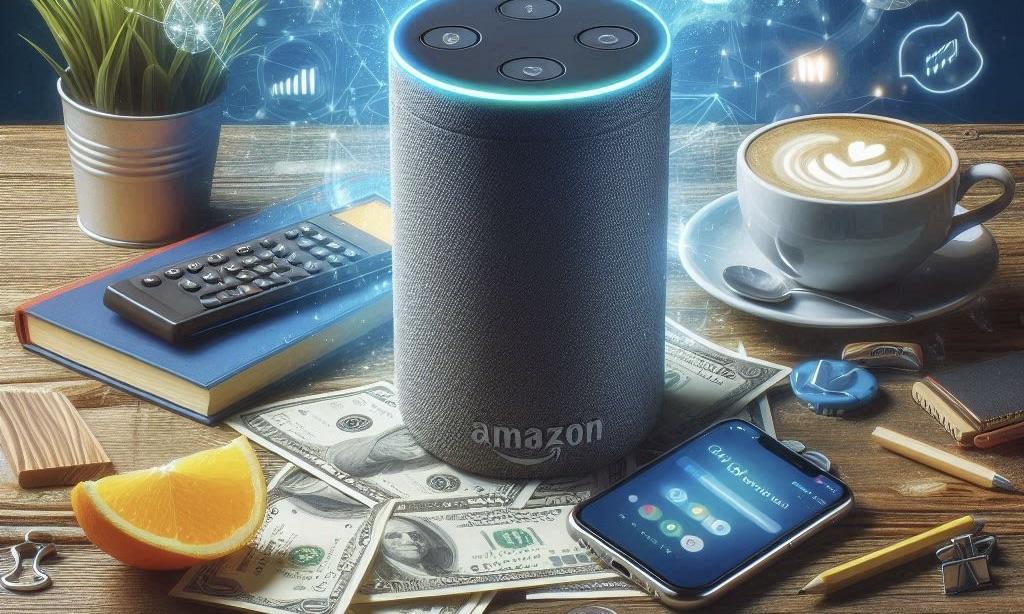
Amazon’s ambitious foray into the smart speaker market with its Alexa-powered Echo devices has not gone as planned. According to a recent Wall Street Journal report, the tech giant is losing billions on these products. Initially sold at a loss with the expectation that users would make up the difference by ordering products and services through Alexa, these devices are used predominantly for simple tasks like setting timers.
Miscalculation of Downstream Impact
Amazon significantly overestimated Alexa's downstream impact (DSI). The company had hoped that consumers would extensively use Alexa to make purchases, thereby offsetting the cost of the Echo devices. This assumption has proven incorrect, leading to substantial financial losses. Consequently, Amazon has downsized its devices division, laying off thousands of employees and discontinuing products like the Halo fitness band and Amazon Glow.
Despite these measures, the losses have continued. However, there are several strategies Amazon can employ to turn its Alexa and Echo business around.
Stop Selling Echos at a Loss
Amazon has achieved significant market saturation with over 500 million Alexa devices in circulation. This prevalence reduces the need to sell Echo devices at a loss to increase market share, especially since Google has not been as aggressive with its Nest Mini devices. Amazon can now afford to reduce the aggressive discounting of Echo devices. Instead, bundling them with profitable products like Ring video doorbells could maintain sales momentum without significant losses.
Moreover, introducing subscription-based features for future Echo speakers could provide a steady revenue stream. While consumers may initially resist, a nominal fee could be acceptable for enhanced functionality, mirroring the model used for Ring devices.
Incentivize Ordering by Voice
Amazon’s initial vision for Alexa included widespread use for voice-activated shopping, which has not materialized as expected. Amazon could offer discounts on products ordered through Alexa to encourage this behavior. Although this approach involves an initial cost, it could habituate consumers to use voice commands for shopping, ultimately increasing sales through Alexa.
For instance, if essential items like toilet paper and batteries were cheaper when ordered via Alexa, consumers might be more inclined to explore other discounted products. This strategy could prove less costly than selling Echo devices at a loss and help integrate voice shopping into daily habits.
Enhance Alexa’s Shopping Intelligence
Improving Alexa’s shopping capabilities is crucial. While Amazon has introduced Alexa Enhanced, the intelligent assistant’s functionality still lags behind newer AI developments like OpenAI’s ChatGPT. Enhancing Alexa’s ability to provide relevant shopping suggestions could transform user experience.
For example, if Alexa could notify users of discounts on frequently purchased items, it would encourage more interactions and purchases. Providing helpful shopping tips and personalized recommendations can make Alexa a more integral part of the shopping experience.
Future Prospects
Amazon’s Echo devices and Alexa face significant financial challenges, but strategic adjustments can help turn the situation around. By reevaluating pricing strategies, incentivizing voice orders, and enhancing Alexa’s shopping intelligence, Amazon can better align the product with consumer needs and preferences. These changes could mitigate losses and set the stage for sustainable growth in the smart speaker market.
As Amazon navigates these challenges, its ability to innovate and adapt will be vital to maintaining its competitive edge and achieving long-term success in the rapidly evolving tech landscape.













