


 DogecoinVM Makes DOGE Transactions 300x Faster
  Trump Plans Diesel Tax Relief as Fuel Prices Hit Record Highs
  Tencent Shares Fall as $5 Billion AI Bond Sale Weighed
  Zcash Prepares for NU7 Upgrade as Zebra Gets Key Security Fixes
  New York Declares Measles Disaster Emergency as Cases Surge
  LG Electronics Shares Slide as Q3 Profit Misses Estimates
  GSR Commits $100M to Hare Onchain Credit Vaults
  Europol Warns Bitcoin Wallets Face Quantum Computing Risk
  Elon Musk Accuses Indian Telecom Giants of Blocking Starlink Launch
  Nvidia-Backed Reflection AI Launches Beam Open-Weight Model
  Iceland 4x4 Rental Guide: When Do You Really Need Four-Wheel Drive?
  Illinois Delays Crypto Tax Law Until July 2027
  US Grants Aurora Five-Year Exemption for Self-Driving Trucks
  Fairshake Backs 32 Pro-Crypto House Candidates
  OpenAI, Anthropic Back Mandatory AI Breach Reporting in Australia
  Circle Stock Falls 4% as Crypto Selloff Overshadows SAP Pay Expansion
  Israel Tightens Pilot Security After Flydubai Incident


 Add as a preferred source on Google
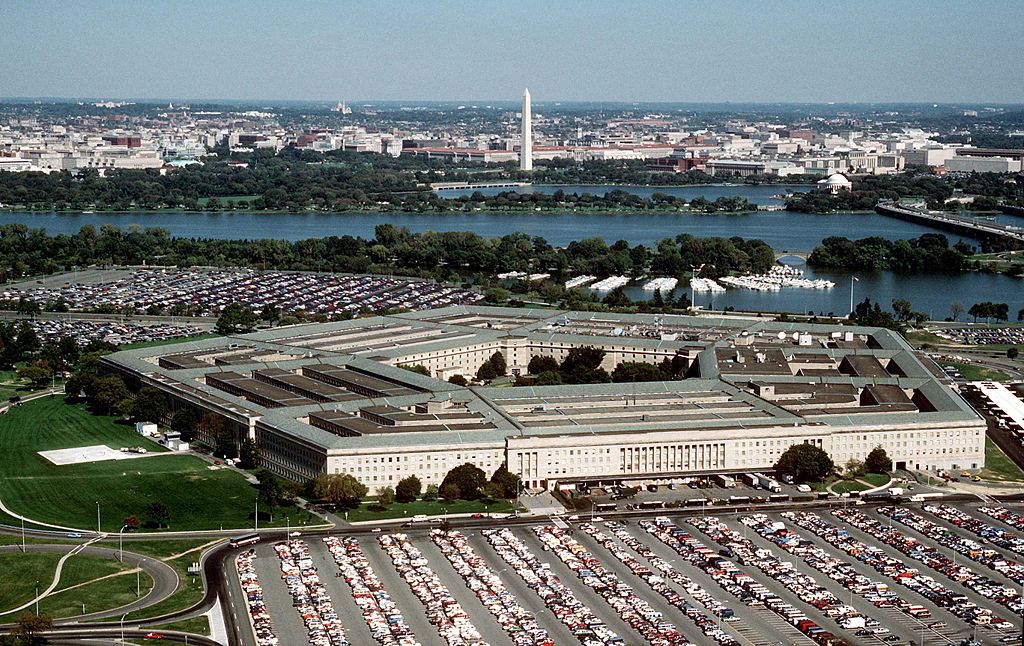
Artificial intelligence company Anthropic is standing firm on its military AI usage restrictions despite mounting pressure from the U.S. Department of Defense, according to a source familiar with the discussions. The dispute centers on whether Anthropic should loosen safeguards that prevent its AI models from being used for autonomous weapons targeting and domestic surveillance.
The tension escalated during a recent meeting between Anthropic CEO Dario Amodei and U.S. Defense Secretary Pete Hegseth. The high-level talks aimed to resolve a months-long disagreement over the company’s AI policies and its role in U.S. national security operations. Pentagon officials argue that AI providers working with the government should only be required to follow existing U.S. law, while Anthropic maintains that additional ethical safeguards are necessary to ensure responsible AI deployment.
During the meeting, Hegseth reportedly issued a stark ultimatum: comply with the Pentagon’s expectations or face significant consequences. Potential actions discussed include designating Anthropic as a supply chain risk or invoking the Defense Production Act, a federal law that could compel the company to alter its AI usage rules. The government has reportedly given Anthropic a deadline of Friday at 5 p.m. to respond.
Anthropic stated that discussions with the Pentagon remain in good faith and focused on aligning its AI usage policies with national security needs, while ensuring its technology is used responsibly. The company believes its current safeguards do not hinder Defense Department operations.
The Pentagon is simultaneously negotiating AI contracts with major large language model providers, including OpenAI, Google, and xAI, as it expands artificial intelligence integration across classified military networks. This week, xAI secured an agreement for deployment on classified systems, signaling broader competition in defense AI contracts.
Legal experts warn that any move to label Anthropic a supply chain threat or force compliance under the Defense Production Act could spark significant litigation and reshape the future of AI regulation in the defense sector.







