


 Lula Weighs Alckmin as Finance Minister to Boost Fiscal Credibility
  US-Taiwan Ties Remain Strong as Taipei Urges Timely Arms Deliveries
  US Treasury Drops Crypto Wallet Tracking Plan
  UK Warned Over Growing Reliance on US Cloud Providers
  Zelenskiy Warns Russia Is Preparing Massive Attack on Ukraine
  US Grants Aurora Five-Year Exemption for Self-Driving Trucks
  Saudi Arabia Probes Flydubai Cockpit Attack
  Mexico Bars Dual Citizens From Presidential Races Starting in 2028
  US Pressures Allies to Distance From Anti-Disinformation Conference
  North Korea Slams US Taiwan Arms Sales, Reaffirms Russia Support
  US Waives $320M Egypt Military Aid Conditions After Iran War Role
  San Francisco Halts New Data Center Construction With 45-Day Moratorium
  Vance Demands Iran Cut Nuclear Enrichment to End War
  Mike Rogers Calls for End to US-Canada Tariff War
  France to Release 10 Million Barrels of Diesel to Ease Fuel Prices
  Trump Weighs FBI Probe Into Nolan Wells’ Death


 Add as a preferred source on Google
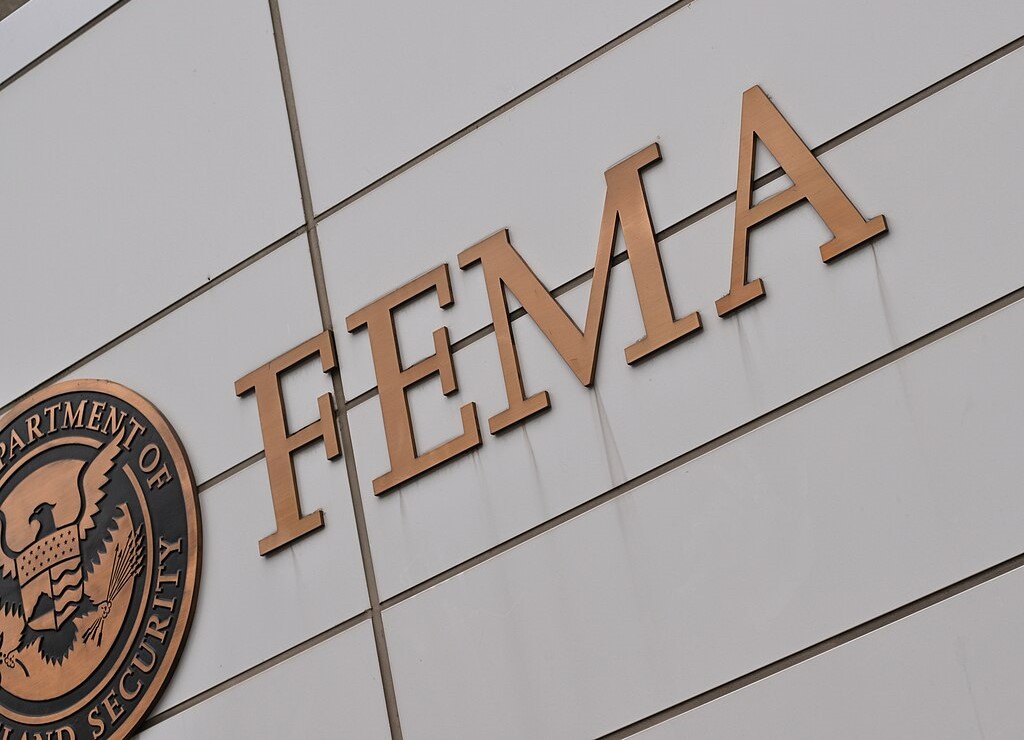
U.S. President Donald Trump has approved an emergency declaration for Washington, D.C., following a massive sewage spill into the Potomac River, triggering a coordinated federal response led by the Federal Emergency Management Agency (FEMA). The decision authorizes FEMA to support disaster relief operations aimed at protecting public health, safeguarding property, and assisting local authorities as they manage the environmental crisis.
The emergency declaration comes after a rupture in a major sewer pipeline released hundreds of millions of gallons of untreated wastewater into the Potomac River. The incident prompted immediate local emergency declarations and urgent requests for federal assistance. Officials have warned residents about elevated bacteria levels and significant environmental risks, advising the public to avoid contact with river water until further notice.
Under federal disaster law, FEMA is now authorized to coordinate emergency protective measures and provide logistical and operational support to the District of Columbia. While the declaration does not automatically provide direct financial assistance to individuals, it enables federal agencies to supplement local and regional response efforts. Crews are currently working to contain the sewage spill, assess environmental damage, and repair the damaged infrastructure.
Washington Mayor Muriel Bowser formally requested federal resources, citing the scale of the wastewater discharge and the potential long-term public health impact. The incident has intensified concerns over aging water infrastructure in the nation’s capital and sparked debate between federal and local officials regarding accountability and crisis management.
Environmental experts warn that large-scale sewage spills can have lasting ecological consequences, affecting water quality, aquatic life, and surrounding communities. As cleanup efforts continue, authorities are closely monitoring bacteria levels in the Potomac River to ensure public safety.
The FEMA emergency declaration marks a significant step in addressing the sewage spill crisis, reinforcing federal coordination as Washington, D.C., works to mitigate environmental damage and restore safe conditions.







