


 SK Hynix to Invest $13 Billion in AI Chip Packaging Facility
  European Car Sales Surge in March as EV and Hybrid Demand Accelerates
  Elon Musk Signals Intel 14A Chips for Tesla’s Terafab AI Semiconductor Venture
  Microsoft Commits $18 Billion to Expand AI and Cloud Infrastructure in Australia
  Judge Dismisses Elon Musk’s Fraud Claims Against OpenAI, Trial to Proceed on Remaining Allegations
  DeepSeek Launches V4 AI Models with Enhanced Reasoning and 1M Token Context Window
  Nvidia Pushes 800V Data Center Power Systems to Boost Efficiency and Cut Costs
  Tesla Earnings Beat Expectations as EV Growth Holds Amid Robotics and AI Shift
  LG Innotek Stock Hits Record High on $68M Automotive Wi-Fi 7 Deal
  Florida Investigates OpenAI and ChatGPT Over Alleged Role in FSU Shooting
  U.S. Raises Alarm Over Chinese AI Firms’ Alleged IP Theft Through Model Distillation
  PLS Reports Record Lithium Output as EV Demand Fuels Market Growth
  Meta Expands AI Training With Employee Activity Tracking Tools
  Huawei Expands Vietnam Presence Through Strategic Partnership with SHB Bank
  $16B Michigan Data Center Project Boosts U.S. AI Infrastructure Expansion
  SpaceX President Gwynne Shotwell Earns $85.8M as IPO Buzz Grows
  SpaceX Eyes $60B Cursor Deal to Boost AI Power Ahead of IPO


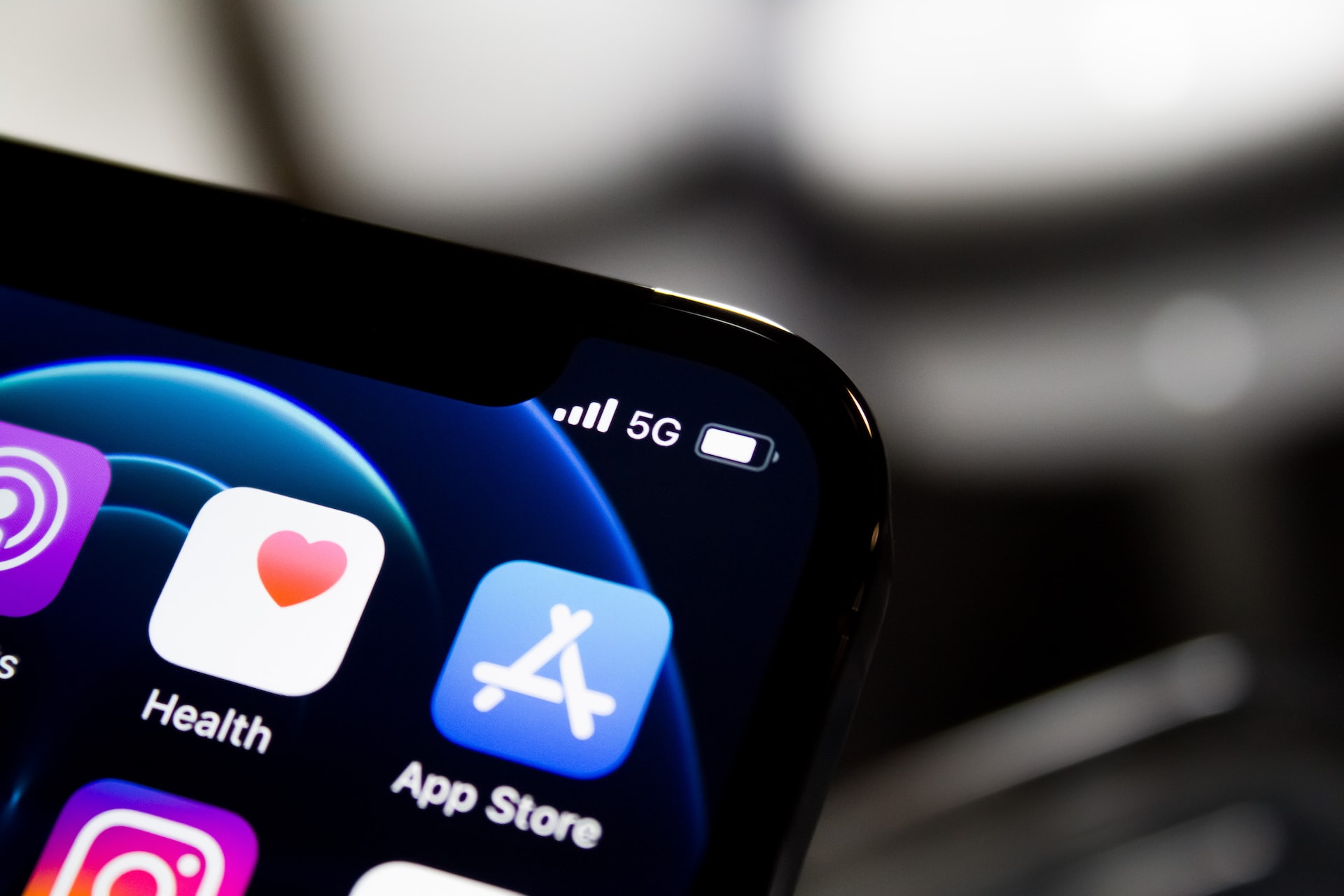
Apple released updates to App Store guidelines that suggest the iPhone maker will not completely reject non-fungible tokens or NFTs. However, the company will implement similar payment rules, which will not allow creators to direct users to a third-party payment method in purchasing NFTs.
Trading of NFTs is arguably one of the most polarizing issues in the tech industry, at least over the last year. Some companies running digital stores have already banned blockchain tech, but Apple is going in a different direction.
The tech giant released revisions and new items in its App Store guidelines on Monday, including specific rules on NFTs. In a new section 3.1.1 of the guidelines, Apple says developers are allowed to offer in-app services and tools so users can mint, list, transfer, and buy NFTs as long as any of these options "does not unlock features or functionality within the app."
Developers are also allowed to let their customers view NFT collections through apps downloaded from the App Store. But, unsurprisingly, Apple prohibits the inclusion of any buttons or links that will lead to a payment method outside its digital store. "Apps may allow users to browse NFT collections owned by others, provided that the apps may not include buttons, external links, or other calls to action that direct customers to purchasing mechanisms other than in-app purchase," part of the updated policy reads.
Tech fans are likely aware by now that, as it stands, Apple's rules on prohibiting external payments are non-negotiable. The tech giant even went through, and later won, a highly publicized litigation against Epic Games after the video game company offered a way to bypass Apple's in-app payment rules.
The updated App Store guidelines also added policies for advertising management apps. Apps designed solely to help advertisers purchase and manage campaigns that run on various media types, such as TV, websites, and other apps, are allowed accommodate transactions without using the App Store's in-app purchase system.
However, that will not apply to apps like Meta Ads Manager, where people can pay for post boosts and other in-app advertisements. The new App Store rule reads, "Digital purchases for content that is experienced or consumed in an app, including buying advertisements to display in the same app (such as sales of “boosts” for posts in a social media app) must use in-app purchase."
Photo by James Yarema on Unsplash







