


 Elon Musk’s Empire: SpaceX, Tesla, and xAI Merger Talks Spark Investor Debate
  Washington Post Publisher Will Lewis Steps Down After Layoffs
  Once Upon a Farm Raises Nearly $198 Million in IPO, Valued at Over $724 Million
  SpaceX Prioritizes Moon Mission Before Mars as Starship Development Accelerates
  TrumpRx Website Launches to Offer Discounted Prescription Drugs for Cash-Paying Americans
  Nvidia, ByteDance, and the U.S.-China AI Chip Standoff Over H200 Exports
  Alphabet’s Massive AI Spending Surge Signals Confidence in Google’s Growth Engine
  SpaceX Pushes for Early Stock Index Inclusion Ahead of Potential Record-Breaking IPO
  OpenAI Expands Enterprise AI Strategy With Major Hiring Push Ahead of New Business Offering
  SoftBank Shares Slide After Arm Earnings Miss Fuels Tech Stock Sell-Off
  Nvidia Confirms Major OpenAI Investment Amid AI Funding Race
  Tencent Shares Slide After WeChat Restricts YuanBao AI Promotional Links
  Elon Musk’s SpaceX Acquires xAI in Historic Deal Uniting Space and Artificial Intelligence
  Missouri Judge Dismisses Lawsuit Challenging Starbucks’ Diversity and Inclusion Policies
  Toyota’s Surprise CEO Change Signals Strategic Shift Amid Global Auto Turmoil
  Hims & Hers Halts Compounded Semaglutide Pill After FDA Warning


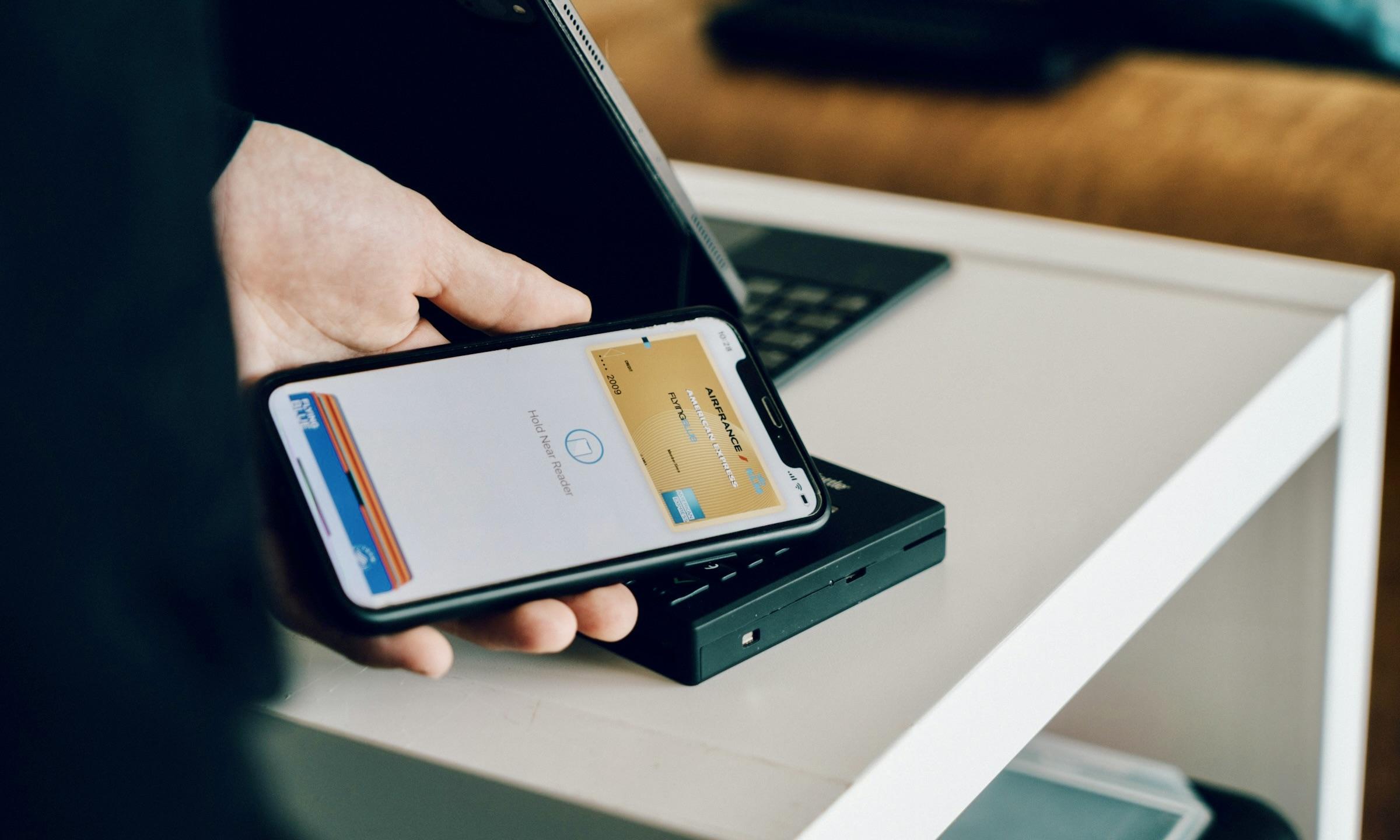
With the release of iOS 18.1, Apple is allowing third-party apps to integrate tap-to-pay features, significantly expanding the use of NFC technology. This update provides developers with new tools to create seamless in-app payment experiences.
Apple’s iOS 18.1 Opens Tap-to-Pay to Third Parties
Beginning with iOS 18.1, Apple will allow developers to enable in-app NFC transactions by utilizing the Secure Element.
Additionally, as part of the update, you will have the ability to designate a default contactless payment app that will be accessible when you double-click the side button on your iPhone, The Verge shares.
In the past, Apple Pay was only able to be displayed when the button in question was double-clicked.
NFC Now Available for More Than Just Tag Scanning
As a result of this modification, developers will have the ability to provide in-app contactless transactions for a wide range of applications. These transactions will include "in-store payments, car keys, closed-loop transit, corporate badges, student IDs, home keys, hotel keys, merchant loyalty and rewards cards, and event tickets." NFC access for third-party applications has, up to this point, been restricted to the scanning of tags.
In the press release issued by Apple, it is stated that support for government IDs will be available "in the future."
A future developer beta for iOS 18.1 will make the essential application programming interfaces (APIs) available to developers in the United States of America, Australia, Brazil, Canada, Japan, New Zealand, and the United Kingdom.
Developers Face Requirements to Access Apple’s NFC Tech
Apple also adds that "additional locations to follow" will be included in the test. However, in order to make use of Apple's application programming interfaces (APIs), developers will be required to "enter into a commercial agreement with Apple, request the NFC and SE entitlement, and pay the associated fees."
This change comes after Apple made an offer to open iPhone NFC payments to third-party suppliers in response to an antitrust inquiry conducted by the European European Commission.
The European Commission made the announcement that it had made Apple's commitments legally obligatory over the course of the previous month.













