


 Reza Pahlavi Urges U.S. Military Intervention as Iran Nuclear Talks Continue
  Europe Rethinks NATO as U.S. Policy Shifts Shake Transatlantic Alliance
  Zelenskiy Urges Stronger Sanctions as U.S.-Brokered Ukraine-Russia Peace Talks Near
  Starmer Calls for Stronger European Defence Cooperation to Reinforce NATO and Reduce U.S. Reliance
  Federal Judge Orders Trump Administration to Facilitate Return of Deported Honduran Student
  Anduril Industries Seeks $8 Billion Funding at $60 Billion Valuation
  European Leaders Welcome Marco Rubio’s Munich Security Conference Speech, Stress Strong Transatlantic Alliance
  Anthropic’s Claude AI Reportedly Used in U.S. Operation to Capture Nicolas Maduro
  Japan Coalition Urges BOJ Independence as Sales Tax Cut Plan Advances
  Canada Calls for Regime Change in Iran Amid Rising U.S. Military Tensions
  Trump’s Bad Bunny Super Bowl Criticism Sparks Concern Among Latino Republicans Ahead of Midterms
  Trump Maritime Action Plan Targets U.S. Shipbuilding Revival and Port Fee Funding
  BOJ Governor Ueda Meets PM Takaichi as Markets Eye Possible Rate Hike
  Trump, Netanyahu Push to Curb Iran Oil Exports to China Amid Rising Nuclear Tensions
  Rubio Reaffirms Transatlantic Alliance at Munich Security Conference Amid Ukraine and Russia Tensions
  Vietnam Approves SpaceX Starlink Satellite Internet Service Amid U.S. Trade Talks


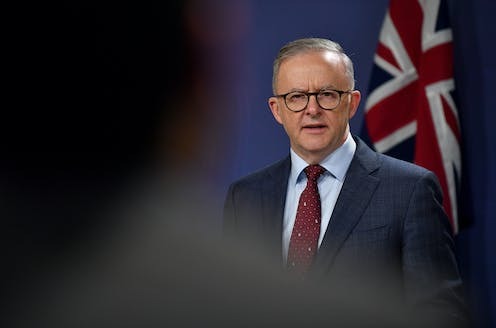
Australian Prime Minister Anthony Albanese has confirmed that the government will not repatriate Australians currently detained in a Syrian camp housing families of suspected Islamic State (ISIS) militants. Speaking to ABC News on Tuesday, Albanese reiterated Canberra’s firm stance on the issue, emphasizing that Australia would not provide assistance or facilitate the return of its citizens from the detention facility in northern Syria.
The Syrian camp, widely known for holding foreign nationals linked to ISIS fighters, has been a source of ongoing international debate. Governments around the world continue to face pressure over whether to repatriate citizens detained in such facilities, where humanitarian concerns often collide with national security priorities. Albanese made it clear that Australia’s position remains unchanged, stating, “We have a very firm view that we won’t be providing assistance or repatriation.”
According to two sources who spoke to Reuters, thirty-four Australians were briefly released from the camp on Monday. However, they were reportedly returned to the detention center shortly afterward due to what officials described as “technical reasons.” Details surrounding the nature of these technical issues have not been publicly disclosed.
The decision underscores Australia’s cautious approach to managing citizens associated with ISIS-controlled territories. Security experts have long warned that repatriating individuals from Syrian detention camps presents complex legal, logistical, and security challenges. Critics argue that leaving citizens in unstable regions could worsen humanitarian conditions, particularly for women and children, while supporters of the government’s stance maintain that domestic security must remain the top priority.
The Syrian camp in question, located in the country’s north, continues to house thousands of individuals linked to ISIS fighters. As geopolitical tensions persist and international coalitions reassess their strategies against extremism, Australia’s refusal to repatriate its citizens highlights the broader global struggle over responsibility, counterterrorism policy, and the long-term consequences of the Islamic State conflict.
With the Albanese government maintaining its firm position, the future of the detained Australians remains uncertain, adding another layer to the ongoing debate over ISIS detainees in Syria and international repatriation policies.













