


 Judge Blocks DOJ Subpoenas in Federal Reserve Investigation, Delaying Powell Succession
  UN Confirms Sexual Exploitation Allegations Against Haiti Security Force Members
  U.S. Warplane Shot Down by Iran Amid Escalating Middle East Conflict
  Russia's Easter Strikes Kill Multiple Civilians Across Ukraine
  Trump Administration Shakeup: Kash Patel, Daniel Driscoll, and Lori Chavez-DeRemer May Exit Cabinet
  Iran's Stranglehold on the Strait of Hormuz: What It Means for Global Markets
  Army Chief of Staff Gen. Randy George Forced Into Immediate Retirement Amid U.S.-Iran War
  Zelenskyy Offers Ukraine's Naval Drone Expertise to Secure the Strait of Hormuz
  Iran Rejects U.S. Ceasefire Proposal Amid Ongoing Tensions
  Trump's White House Ballroom Gets Planning Approval Amid Legal Battle
  Russia Unleashes Drone Barrage on Kharkiv, Injuring Child Among Victims
  Trump's FY2027 Budget: Major Defense Boost and Domestic Spending Cuts
  Congo in Talks With Trump Administration to Accept Third-Country Deportees
  U.S. Strikes on Iran Draw War Crimes Warnings from International Law Scholars
  UN Security Council to Vote on Strait of Hormuz Shipping Resolution Amid China Opposition
  Trump Fires Attorney General Pam Bondi Over Epstein Files and Slow Prosecutions


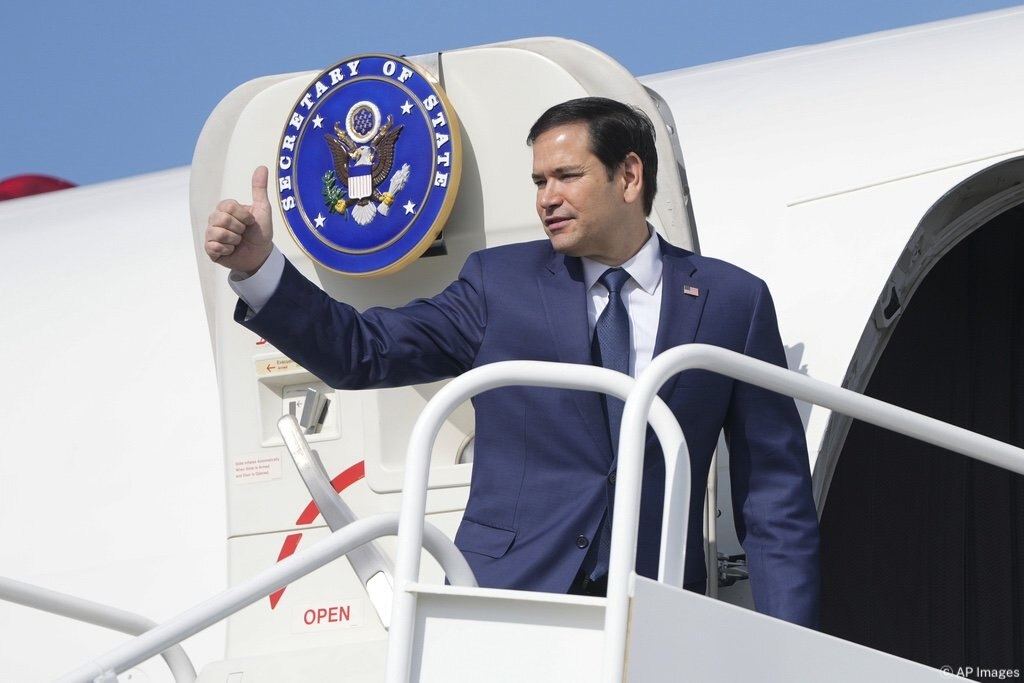
U.S. Secretary of State Marco Rubio struck a conciliatory yet candid tone at the Munich Security Conference, describing the United States as the “child of Europe” and calling for renewed unity within the transatlantic alliance. His keynote address, delivered after a year of strained diplomatic ties, drew largely positive reactions from European leaders, who emphasized shared values, international law, and the importance of a strong Europe within NATO.
European Commission President Ursula von der Leyen said she felt reassured by Rubio’s remarks, describing him as a “strong ally” and trusted partner. She acknowledged that some members of the current U.S. administration have adopted a tougher stance toward Europe, but highlighted Rubio’s clear message supporting “a strong Europe in the Alliance.” According to von der Leyen, strengthening Europe’s role within NATO remains a central priority for the European Union.
French Foreign Minister Jean-Noël Barrot also welcomed Rubio’s reference to a shared transatlantic legacy. He noted that global challenges—from security threats to geopolitical instability—cannot be addressed by any single nation, regardless of its power or wealth. While Barrot appreciated the tone of the speech, he stressed that Europe’s long-term strategy remains unchanged: building a strong and independent Europe capable of acting decisively on the world stage.
German Foreign Minister Johann Wadephul described Rubio as a reliable partner and praised his commitment to the international rules-based order, particularly the United Nations. He underscored the need for reform to make global institutions more effective, echoing Rubio’s call for forward-looking cooperation.
Finnish Foreign Minister Elina Valtonen expressed satisfaction with both the tone and substance of the speech, emphasizing Europe’s commitment to shared democratic values, international law, and collective security.
Overall, Rubio’s address at the Munich Security Conference reinforced the importance of U.S.-Europe relations, NATO unity, and transatlantic cooperation amid evolving global challenges.







