


 Russia's Easter Strikes Kill Multiple Civilians Across Ukraine
  Coral Springs Vice Mayor Nancy Metayer Bowen Killed in Suspected Domestic Violence Incident
  Iran Rejects U.S. Ceasefire Proposal Amid Ongoing Tensions
  Australia's Social Media Ban for Under-16s Sparks Global Movement
  Federal Judge Rules CBP Violated Warrantless Arrest Order During Sacramento Immigration Sweep
  Judge Blocks DOJ Subpoenas in Federal Reserve Investigation, Delaying Powell Succession
  Trump Threatens Expanded Military Strikes on Iran, Targeting Bridges and Power Plants
  UN Confirms Sexual Exploitation Allegations Against Haiti Security Force Members
  UN Security Council to Vote on Strait of Hormuz Shipping Resolution Amid China Opposition
  U.S.-Iran War Escalates: Downed Fighter Jet, Stalled Ceasefire Talks, and Ground Invasion Fears
  Cuba Announces Release of Over 2,000 Prisoners in Second Amnesty of 2025
  Ukraine Frontline Holds Firm as Zelenskyy Claims March Offensive Successfully Repelled
  Army Chief of Staff Gen. Randy George Forced Into Immediate Retirement Amid U.S.-Iran War
  First Western Ship Transits Strait of Hormuz Since Iran War Began
  Trump Administration Sues Three States Over Prediction Market Regulations
  Zelenskyy Offers Ukraine's Naval Drone Expertise to Secure the Strait of Hormuz
  U.S. Warplane Shot Down by Iran Amid Escalating Middle East Conflict


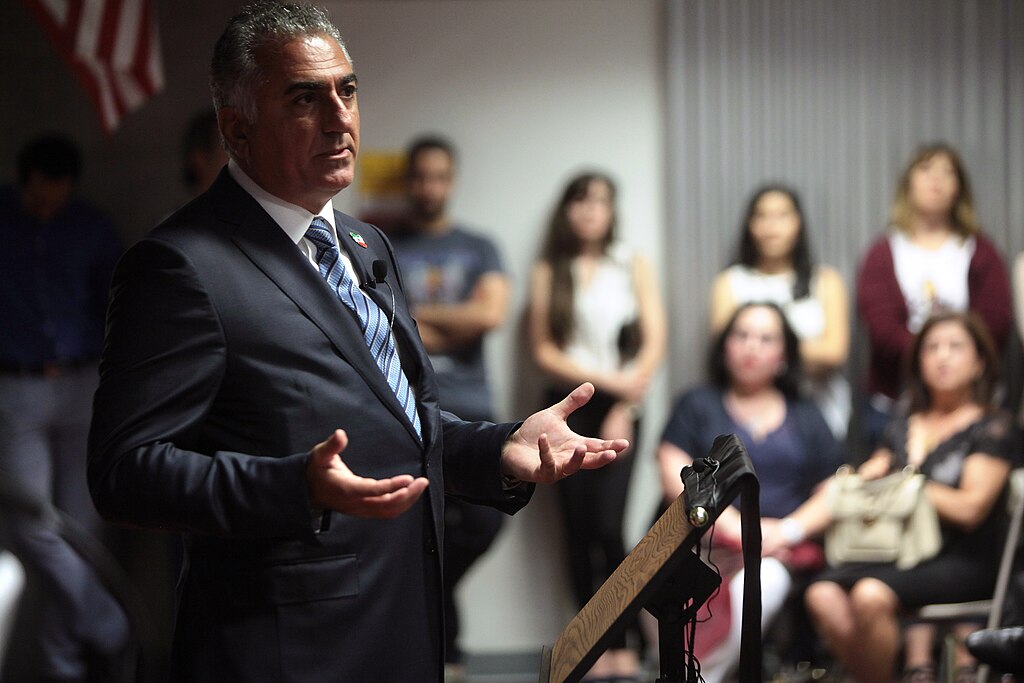
Iranian opposition figure Reza Pahlavi has called for potential U.S. military intervention in Iran, arguing that decisive action could save lives and accelerate political change. Speaking to Reuters on the sidelines of the Munich Security Conference, where Iranian government officials were barred from attending, the exiled son of Iran’s former shah said the Islamic Republic appears to be nearing a breaking point.
Pahlavi, who has lived outside Iran since the 1979 Islamic Revolution, claimed that recent unrest signals growing instability within the Iranian government. Nationwide protests erupted on December 28, initially sparked by economic hardship demonstrations in Tehran’s Grand Bazaar. The movement quickly spread across the country, leading to what authorities described as the most severe crackdown since 1979. Thousands have reportedly been arrested as part of a mass campaign aimed at deterring further anti-government protests.
According to Pahlavi, prolonged negotiations between the United States and Iran over a new nuclear deal may not yield meaningful results. He urged President Donald Trump’s administration to reconsider extended diplomatic talks with Tehran’s clerical leadership. The Trump administration has recently engaged in discussions with Iranian diplomats in Oman while simultaneously increasing U.S. military presence in the region. Additional negotiations are expected in the coming week.
Pahlavi argued that abandoning negotiations in favor of stronger measures could embolden Iranian citizens seeking regime change. He stated that intervention might hasten the collapse of the current leadership and allow protesters to return to the streets. However, Iran’s opposition remains fragmented, with monarchists, reformists, and other factions divided in strategy and influence. In a previous Reuters interview, Trump questioned the extent of Pahlavi’s support inside Iran.
Meanwhile, two anonymous U.S. officials revealed that the U.S. military is preparing contingency plans for a potential sustained operation against Iran if ordered by the president. In a speech to U.S. troops in North Carolina, Trump said Iran has been difficult in nuclear negotiations and suggested that applying pressure could be necessary to resolve the standoff.
The evolving situation underscores mounting tensions between Washington and Tehran, as debates continue over diplomacy, military action, and the future of Iran’s political landscape.







