


 Israel Tightens Pilot Security After Flydubai Incident
  Berlin Coalition Talks Advance After Left Party Antisemitism Deal
  Italy Approves Electoral Reform Ahead of 2027 Election
  Trump Rallies in Texas as Republicans Face Tight Midterm Races
  Mike Rogers Calls for End to US-Canada Tariff War
  Rapidus Seeks Chip Customers as Japan Pushes 2nm Semiconductor Revival
  France to Release 10 Million Barrels of Diesel to Ease Fuel Prices
  SpaceX Seeks $40 Billion for Nvidia AI Chips
  Florida Seeks Tougher Meta Rules to Protect Young Users
  Illinois Delays Crypto Tax Law Until July 2027
  US-Taiwan Ties Remain Strong as Taipei Urges Timely Arms Deliveries
  Mexico Bars Dual Citizens From Presidential Races Starting in 2028
  Samsung Q3 Profit Hits Record High on AI Memory Demand
  Pentagon Orders Iran Strike Preparations as Trump Weighs Military Action
  US Treasury Drops Crypto Wallet Tracking Plan
  TSMC Q3 Revenue Beats Estimates as AI Chip Demand Surges


 Add as a preferred source on Google
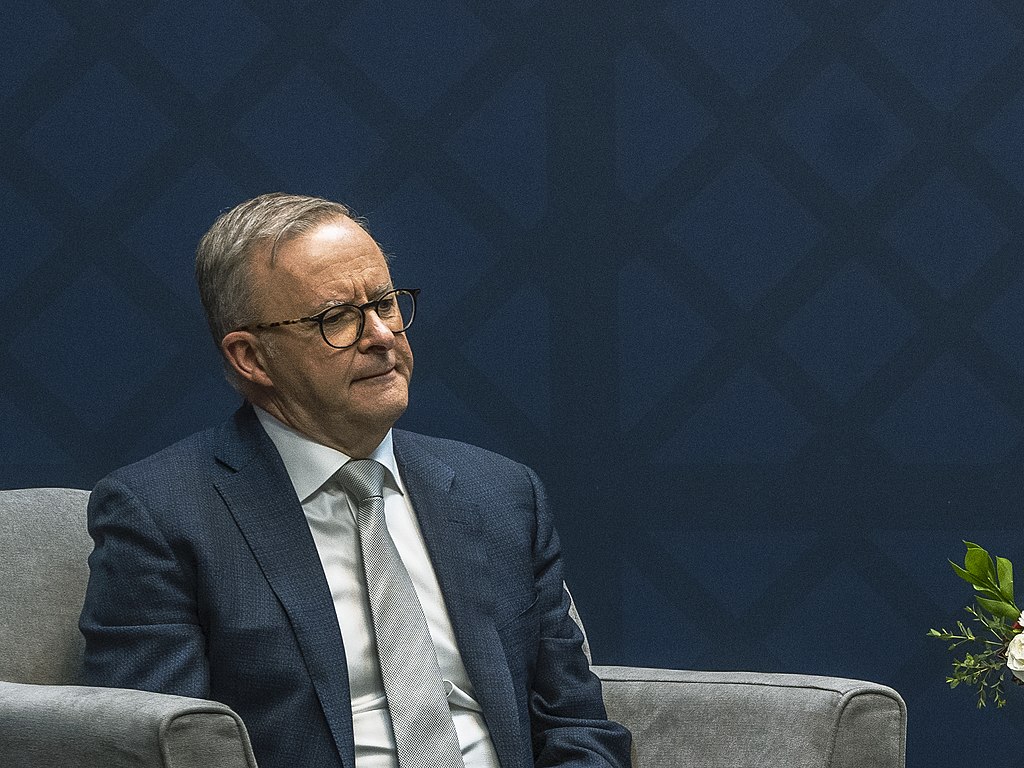
Australia’s groundbreaking ban on social media use for children under 16 has entered its first days with both praise and pushback, as Prime Minister Anthony Albanese acknowledged the rollout would not be flawless. The law, which came into force with bipartisan political support and approval from most Australian parents, requires major platforms including TikTok, Instagram, YouTube, Reddit, and Snapchat to block underage users or face penalties up to A$49.5 million (US$33 million). Despite its immediate impact, social media feeds were quickly filled with posts from supposed under-16s claiming they remained active, highlighting the complexity of enforcing age restrictions online.
Albanese defended the move, noting that removing over a million accounts could not happen overnight but stressing that the reform is aimed at protecting young people and improving wellbeing. The government’s eSafety Commissioner has asked all affected platforms to provide data on underage accounts before and after the ban to measure initial compliance.
The policy has drawn global attention, with governments from France, Denmark, Malaysia, and others considering similar measures. U.S. Senator Josh Hawley praised Australia’s approach, while prominent psychologist Jonathan Haidt applauded the country’s willingness to act on youth mental health concerns. However, critics—including Meta and UNICEF—warn the ban may drive teens toward less regulated online spaces and argue that improved platform design and stronger content moderation are equally essential.
As the law took effect, Australia saw a decade-high surge in VPN searches, suggesting some users may seek to bypass restrictions. Smaller or alternative apps not initially included in the legislation quickly climbed app store rankings, prompting the government to reiterate that the platform list will evolve as needed.
Despite mixed reactions, Albanese maintains the ban will ultimately boost education outcomes, promote healthier social interactions, and safeguard young Australians in an increasingly digital world.







