


 South Korea’s Weak Won Struggles as Retail Investors Pour Money Into U.S. Stocks
  ECB’s Cipollone Backs Digital Euro as Europe Pushes for Payment System Independence
  China Extends Gold Buying Streak as Reserves Surge Despite Volatile Prices
  Why Trump’s new pick for Fed chair hit gold and silver markets – for good reasons
  Trump’s Inflation Claims Clash With Voters’ Cost-of-Living Reality
  Fed Governor Lisa Cook Warns Inflation Risks Remain as Rates Stay Steady
  Singapore Budget 2026 Set for Fiscal Prudence as Growth Remains Resilient
  Dollar Near Two-Week High as Stock Rout, AI Concerns and Global Events Drive Market Volatility
  Bank of Japan Signals Readiness for Near-Term Rate Hike as Inflation Nears Target
  South Africa Eyes ECB Repo Lines as Inflation Eases and Rate Cuts Loom
  Japan Economy Poised for Q4 2025 Growth as Investment and Consumption Hold Firm
  Bank of England Expected to Hold Interest Rates at 3.75% as Inflation Remains Elevated
  Trump Endorses Japan’s Sanae Takaichi Ahead of Crucial Election Amid Market and China Tensions
  Japanese Pharmaceutical Stocks Slide as TrumpRx.gov Launch Sparks Market Concerns


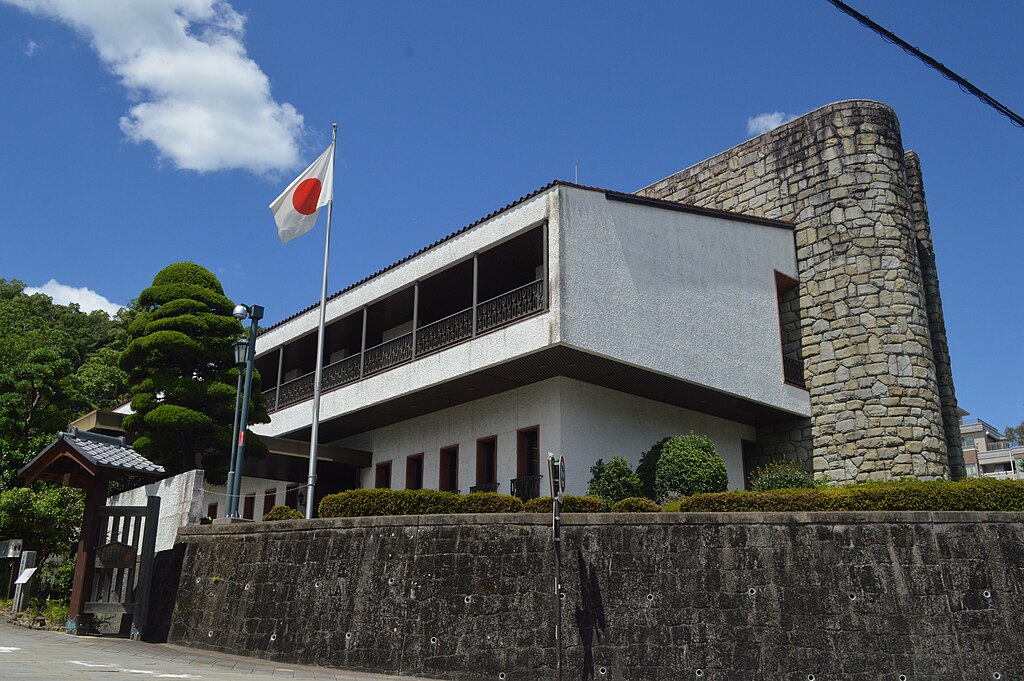
The Bank of Japan (BOJ) is widely expected to raise interest rates to a three-decade high, marking another milestone in its gradual exit from ultra-loose monetary policy. At the conclusion of its two-day meeting on Friday, the BOJ is forecast to lift its short-term policy rate to 0.75% from 0.5%, the first hike since January and the highest level since 1995. This move underscores the central bank’s growing confidence that sustained wage growth will keep inflation anchored around its 2% target.
Although Japan’s interest rates would remain low compared with global standards, the increase represents a significant shift for an economy long accustomed to near-zero rates and unconventional easing. Under Governor Kazuo Ueda, the BOJ has already ended a decade-long stimulus program and raised rates twice, signaling a clear commitment to monetary normalization as inflation proves more persistent.
Markets are now focused on Ueda’s post-meeting press conference for guidance on the future path of interest rates. Analysts expect the BOJ to emphasize that real interest rates will remain deeply accommodative even after the hike, while signaling openness to further increases beyond next year. According to a Reuters poll, 90% of economists anticipate a December hike to 0.75%, and more than two-thirds expect rates to reach at least 1.0% by September next year.
The decision comes amid stronger economic signals, including rising business confidence, continued wage growth, and core consumer inflation holding at 3.0% in November—well above the BOJ’s target. Persistent food price pressures and a weaker yen, which raises import costs, have also strengthened the case for tightening. Recent yen depreciation has highlighted Japan’s role as a low-cost funding source globally, meaning further rate hikes could have ripple effects across international markets.
While the BOJ estimates Japan’s neutral interest rate to lie between 1% and 2.5%, officials are expected to remain cautious and avoid committing to a specific pace or endpoint for future hikes. Still, the anticipated move to 0.75% reinforces the message that Japan is entering a new era of policy normalization after decades of deflationary struggle.













