


 EU Weighs New Trade Restrictions on Israeli West Bank Settlements
  NASA Resumes Cygnus XL Cargo Docking with Space Station After Software Fix
  As the Black Summer megafires neared, people rallied to save wildlife and domestic animals. But it came at a real cost
  Blue Origin New Glenn Rocket Explodes During Launch Pad Test, Delaying Space Ambitions
  Gold Prices Fall as US-Iran Conflict, Rising Oil Prices Fuel Fed Rate Concerns
  Asia Stocks Slip as Iran-Hormuz Tensions Lift Oil Prices, Dollar and Bond Yields
  The UK is surprisingly short of water – but more reservoirs aren’t the answer
  Tabletop particle accelerator could transform medicine and materials science
  Oil Prices Jump as U.S.-Iran Conflict and Strait of Hormuz Tensions Shake Global Markets
  Trump and Merck KGaA Partner to Slash IVF Drug Costs and Expand Fertility Coverage
  Is space worth the cost? Accounting experts say its value can’t be found in spreadsheets
  Fungi are among the planet’s most important organisms — yet they continue to be overlooked in conservation strategies
  Burkina Faso and Mali’s fabulous flora: new plant life record released


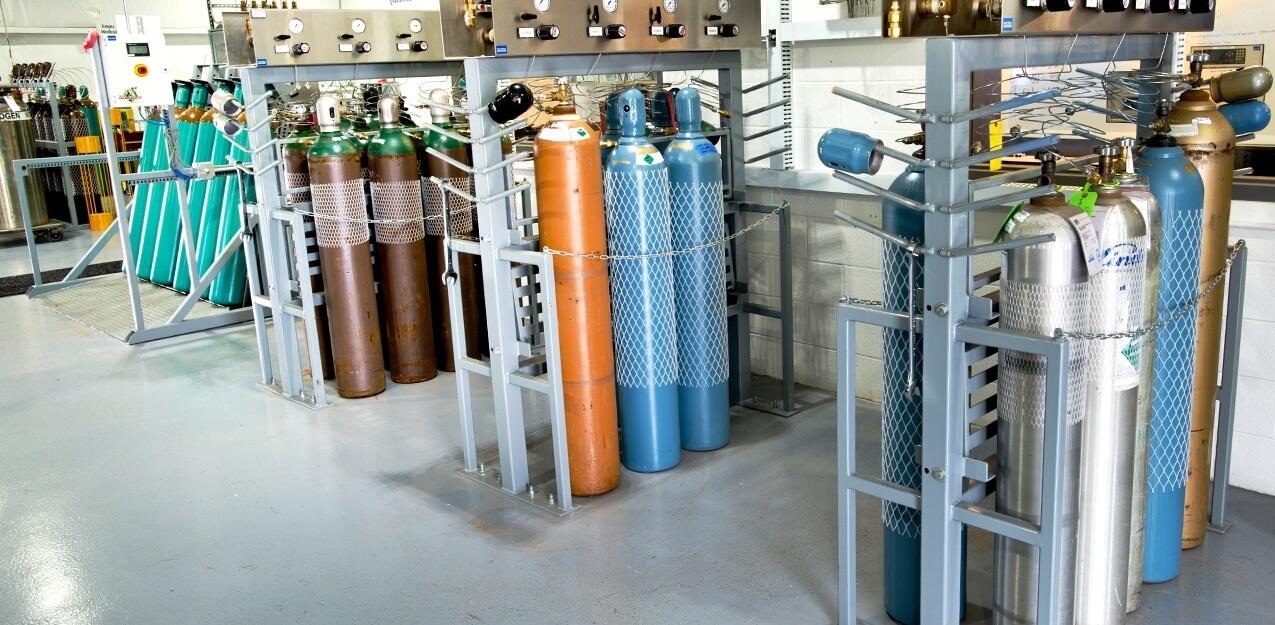
A South Korean research team has developed a catalyst and processing technology that converts carbon dioxide (CO2) into carbon monoxide (CO), an industrial gas.
Carbon monoxide is used in metal fabrication, electronics, and in the production of acids, ester, alcohol, metal carbonyls, and pharmaceuticals.
The joint research team from the Korea Institute of Science and Technology and Seoul National University developed a nickel monoatomic catalyst as the metal works more efficiently if developed to a monoatomic form,
By using the nickel monoatomic catalyst, a transformative reaction is made available even in a gas state.
Under the existing method, a high purity carbon dioxide gas is used as a reaction material, thereby limiting the scope of applications in industrial areas.
Also, carbon monoxide is generated by melting carbon dioxide in the water and subjecting it to an electrochemical reaction.
The research team discovered that carbon monoxide production can be increased up to 93 percent even with carbon dioxide at a low concentration of 10 percent of the exhaust gas level.







