


 US Appeals Court Limits ICE Detention Without Bond Hearings After 90 Days
  Fortescue Faces Class Action Over Sexual Harassment Claims at Australian Mining Sites
  Texas Man Charged After Fatal Tesla Full Self-Driving Crash in Katy
  Iraq PM Visits Washington as U.S. Oil, Gas Deals Take Center Stage
  DOJ Orders Crackdown on Birth Tourism After Supreme Court Upholds Birthright Citizenship
  Super Micro Employees Detained in Taiwan AI Server Export Investigation
  Trump, Canada Reach Gordie Howe Bridge Deal Ahead of July 27 Opening
  Trump Administration to Launch Voluntary AI Standards for Frontier Models
  Bayer Wins Major U.S. Supreme Court Roundup Lawsuit, Shares Surge
  Apple Sues OpenAI, Former Employees Over Alleged Trade Secret Theft
  New Mexico AG Accuses DOJ of Delaying Jeffrey Epstein Ranch Investigation
  Ukraine, Europe Launch Freyja Missile Shield to Strengthen Air Defense Against Russia
  Trump Administration Bars U.S. Travelers From Congo Flights Amid Ebola Outbreak
  Trump Signs Memorandum Backing Americans’ Right to Repair Their Own Vehicles
  EU to Propose New Rules Limiting Children's Access to Social Media
  Supreme Court Backs Lisa Cook, Defends Federal Reserve Independence Against Trump Firing Attempt
  EU Ministers Split as Support Grows for Ban on Trade With Israeli West Bank Settlements


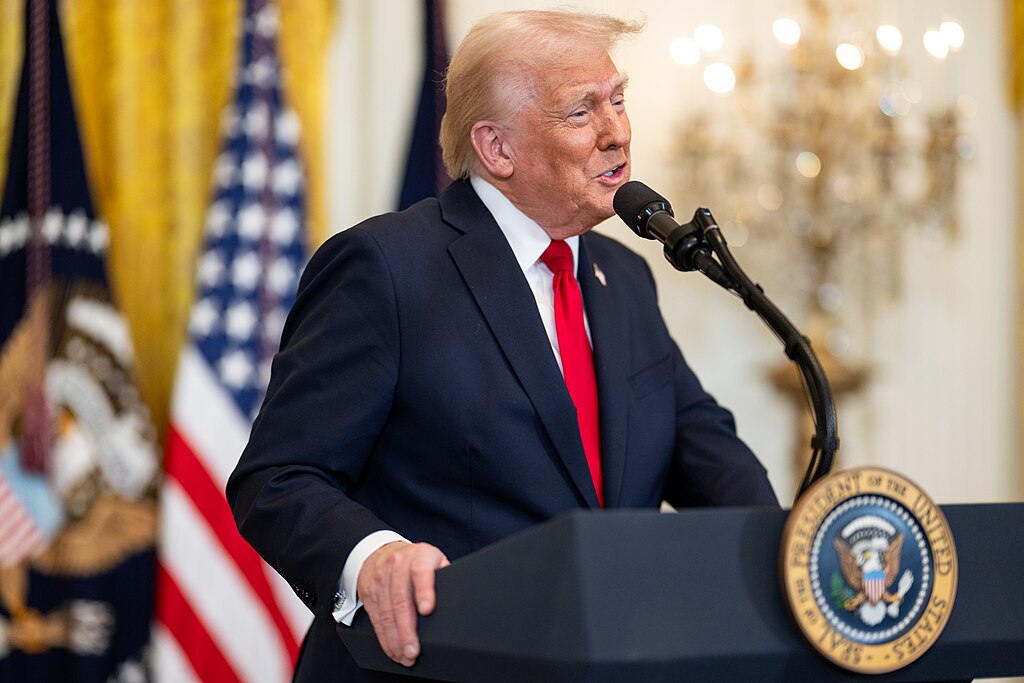
California and 18 other U.S. states are preparing to file a lawsuit in federal court to block President Donald Trump’s proposed $100,000 fee on new H-1B visas for highly skilled foreign workers. The lawsuit, to be filed in Massachusetts, represents at least the third major legal challenge to the controversial fee announced in September, which would dramatically increase the cost of hiring foreign professionals under the H-1B visa program.
Currently, employers typically pay between $2,000 and $5,000 in government fees for an H-1B visa. The new policy would impose a $100,000 payment as a condition for allowing new H-1B recipients to enter the United States. California Attorney General Rob Bonta’s office argues that Trump lacks the legal authority to impose such a fee and that it violates federal immigration law, which permits only cost-based administrative fees, not revenue-generating charges.
The H-1B visa program allows U.S. companies to employ foreign workers in specialty occupations such as technology, engineering, healthcare, and education. California, home to many major technology firms, relies heavily on H-1B workers. Bonta stated that the steep fee would place unnecessary financial strain on employers providing essential services, worsen labor shortages, and potentially reduce access to healthcare and education.
States joining California in the lawsuit include New York, Massachusetts, Illinois, New Jersey, and Washington. The White House has defended the policy in response to other lawsuits, stating that the fee is a lawful exercise of presidential authority and is intended to curb alleged abuse of the H-1B visa system.
Opponents of H-1B visas argue that the program can be used to replace American workers with lower-paid foreign labor. However, business groups, large employers, and industry associations maintain that H-1B workers are essential to filling critical skill gaps in the U.S. workforce. The U.S. Chamber of Commerce, along with a coalition of unions, employers, and religious organizations, has already filed separate lawsuits challenging the fee, with a hearing scheduled in Washington, D.C.
Bonta’s office emphasized that the $100,000 fee far exceeds the actual cost of processing H-1B petitions and therefore violates both federal law and the U.S. Constitution, which reserves revenue-raising powers for Congress, not the president.







