


 Zelenskiy Plans Ukraine Government Shake-Up as Prime Minister Svyrydenko Set to Step Down
  Western Allies Push for More Air Defenses for Ukraine at Paris Summit
  Fortescue Faces Class Action Over Sexual Harassment Claims at Australian Mining Sites
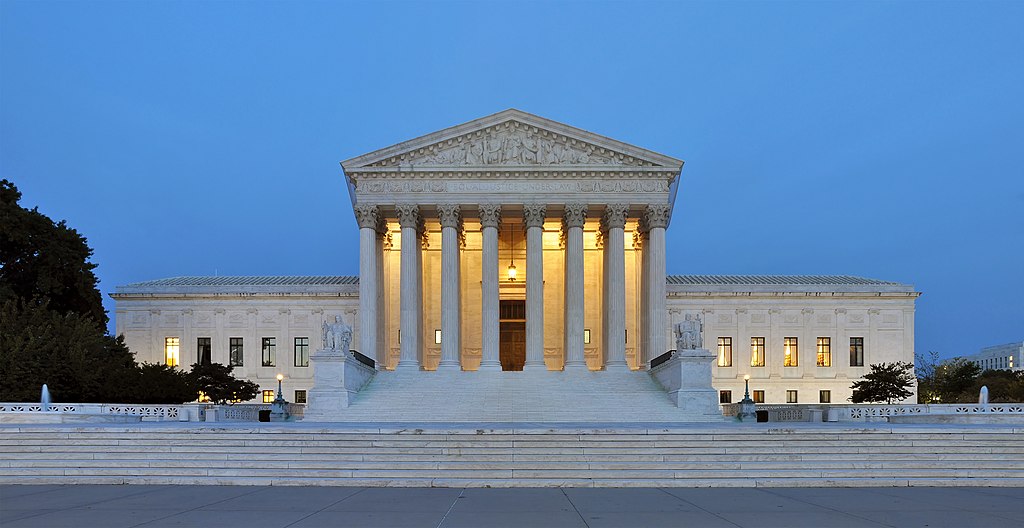
  US Supreme Court Strikes Down Hawaii Gun Carry Law on Private Property
  Trump Administration Hands Over Key Evidence in Minnesota Immigration Shooting Investigations
  Reuters/Ipsos Poll: Most Americans Expect U.S.-Iran War to Be Prolonged
  Iran Says It Closes Strait of Hormuz After Warning Shot at Vessel
  Iranian Missile Strike on UAE Oil Tankers Kills Indian Crew Member in Strait of Hormuz
  Judge Orders $5.8 Million Payment to E. Jean Carroll After Trump Loses Appeal Bid
  Ann Widdecombe Murder: Police Arrest Second Suspect, Rule Out Terrorism Motive
  Supreme Court Backs Lisa Cook, Defends Federal Reserve Independence Against Trump Firing Attempt
  Venezuela Appoints Felix Plasencia to Lead Foreign Relations and Trade
  Trump Recommends Darline Graham for Interim South Carolina Senate Seat
  New Mexico AG Accuses DOJ of Delaying Jeffrey Epstein Ranch Investigation
  Apple Sues OpenAI, Former Employees Over Alleged Trade Secret Theft
  Sara Duterte Impeachment Trial Opens, Putting 2028 Philippine Election in Focus
  Brazil Court Bars Flavio Bolsonaro From Visiting Jair Bolsonaro Ahead of Election


Chicago announced it will not seek federal Community Violence Intervention (CVI) grants after the Trump administration reshaped the program to prioritize law enforcement and immigration enforcement over community-based violence prevention. Mayor Brandon Johnson’s office said the new requirements represent an attempt to “politicize public safety,” emphasizing that the city will not apply for grants tied to “President Trump’s political aims.”
The U.S. Department of Justice confirmed it has restructured the program, which originally funded community violence-prevention organizations directly. Chicago officials criticized the administration’s earlier move to rescind more than $800 million in prevention grants, calling it politically driven and counterproductive to long-term safety strategies.
Under the revised guidelines, announced in late September, funding is reduced to $34.6 million and community organizations are no longer eligible to apply directly. Grants must now flow through government agencies, and funded programs are prohibited from serving undocumented residents. The DOJ also said some of the money will support hiring additional law enforcement officers, purchasing equipment, and expanding criminal justice system capacity. According to the agency, this shift reflects its belief that stronger law enforcement is the most effective solution to community violence.
Critics—including community intervention leaders, former DOJ officials, and violence-prevention experts—argue that the changes undermine the initiative’s original purpose by diverting resources away from underserved communities most affected by gun violence. They say the new structure weakens the role of grassroots organizations that have historically built trust and delivered intervention services.
Chicago is the only major U.S. city so far to publicly reject the new grants. Cities like Newark, New Jersey, and Columbia, South Carolina, have confirmed they are still applying, though some officials say they are seeking clarification about the immigration-related conditions. Reneé Hall, president of the National Organization of Black Law Enforcement Executives, called the policy shift “overreach,” questioning the relevance of immigration enforcement to violence-intervention work.
The Trump administration maintains that its strategy is effectively reducing crime, rejecting accusations that the policy change is politically motivated.







