


 Canada’s local food system faces major roadblocks without urgent policy changes
  Fertile land for growing vegetables is at risk — but a scientific discovery could turn the tide
  Columbia Student Mahmoud Khalil Fights Arrest as Deportation Case Moves to New Jersey
  Asian Stocks Slip as Tech Rout Deepens, Japan Steadies Ahead of Election
  Gold and Silver Prices Slide as Dollar Strength and Easing Tensions Weigh on Metals
  Bank of Japan Signals Readiness for Near-Term Rate Hike as Inflation Nears Target
  LA fires: Long-term exposure to wildfire smoke is poorly understood − and a growing risk
  Parasites are ecological dark matter – and they need protecting
  Asian Currencies Stay Rangebound as Yen Firms on Intervention Talk
  AI is driving down the price of knowledge – universities have to rethink what they offer
  The UK is surprisingly short of water – but more reservoirs aren’t the answer
  Glastonbury is as popular than ever, but complaints about the lineup reveal its generational challenge
  Asian Markets Surge as Japan Election, Fed Rate Cut Bets, and Tech Rally Lift Global Sentiment


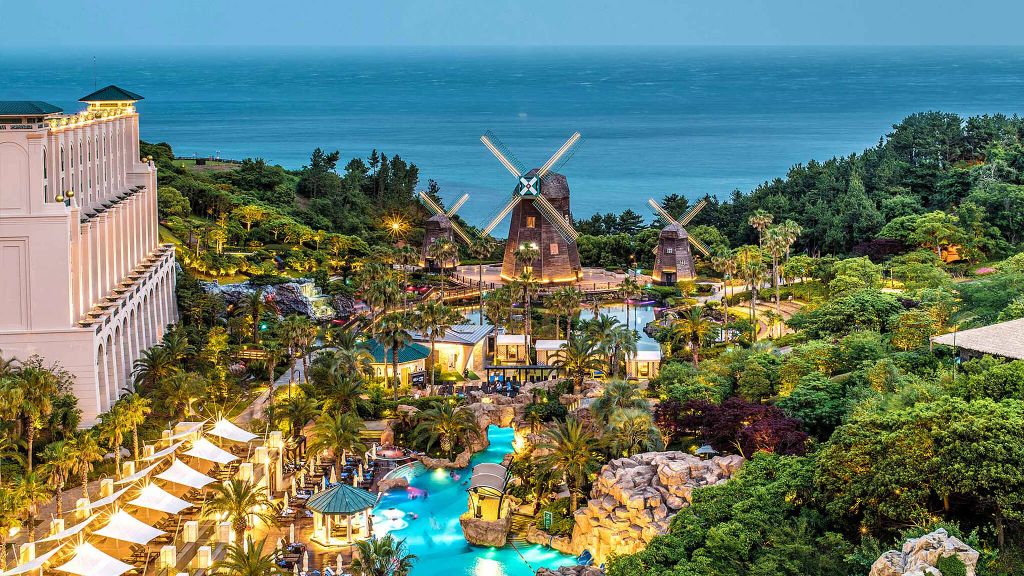
Demand for Jeju Island seafood and tourism is expected to drastically drop once Japan releases radioactive water from the Fukushima nuclear power plant into the ocean in April.
A nationwide survey by the Jeju Research Institute showed that 49.1 percent of 1,000 surveyed intended to reduce purchases of seafood from Jeju.
Of the respondents, 50.4 percent would cut back on buying conch, 48.4 percent on cutlassfish, 47.6 percent on yellow corvina, and 47.5 percent on halibut.
Jeju island’s fishing industry is expected to sustain losses of 448.3 billion won each year.
About half of the respondents also said they would reduce spending on tourism in Jeju.
Almost all of the respondents were aware of Japan’s decision to release the radioactive water.













