


 Private Credit Under Pressure: Is a Slow-Motion Crisis Unfolding?
  Gold Prices Drop as Trump Escalates Iran Threats, Oil Surges
  UAE's Largest Natural Gas Facility Suspended After Attack-Triggered Fire
  TSMC Japan's Second Fab to Produce 3nm Chips by 2028
  Gulf War Ceasefire Hopes Weigh on Dollar Ahead of Trump Address
  Asian Stocks Surge on Trump's Iran War Comments and Dip-Buying
  RBI Clamps Down on Rupee NDF Activity, Banks Face Steeper Losses
  U.S. Stock Futures Stabilize Ahead of Good Friday as Investors Eye Jobs Report
  CTOC Adds 3,000 Doctors, 500 Hospitals Ahead of Liquidity Push
  Microsoft Eyes $7B Texas Energy Deal to Power AI Data Centers
  Star Entertainment Secures $390M Refinancing Deal to Stabilize Operations
  U.S. Dollar Climbs as Trump Escalates Rhetoric Against Iran
  Annie Altman Amends Sexual Abuse Lawsuit Against OpenAI CEO Sam Altman
  Nike Beats Q3 Estimates but China Weakness and Margin Pressure Weigh on Outlook
  Trump Administration Plans 100% Tariffs on Pharmaceutical Imports
  South Korea's Inflation Rises Modestly in March Amid Oil Price Pressures
  Trump Expands Tariffs on Pharmaceuticals and Metals One Year After Liberation Day


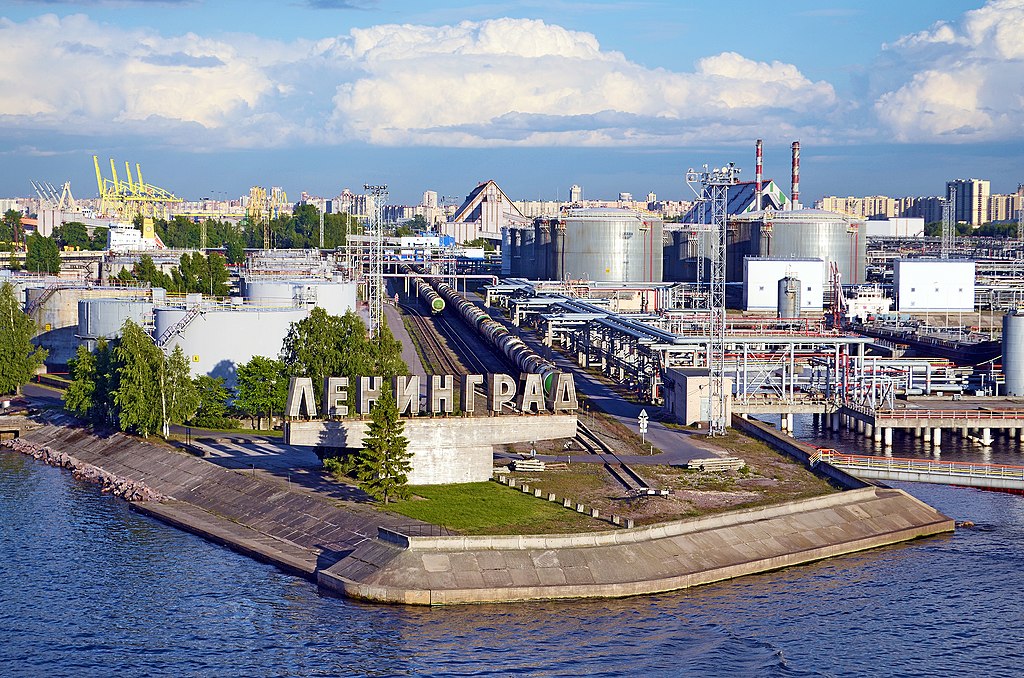
Indian refiners are increasingly avoiding purchases of Russian crude oil for delivery in April and potentially beyond, a strategic shift that could support New Delhi’s efforts to finalize a trade agreement with the United States. According to refining and trading sources, major state-owned and private refiners have stopped accepting new offers for Russian oil loading in March and April, signaling a broader pullback from Russian energy supplies.
This move comes as the U.S. and India announced a framework for a bilateral trade pact, which they aim to conclude by March. The proposed deal seeks to reduce tariffs and strengthen economic cooperation between the two nations. While the official statement did not explicitly mention Russian oil, U.S. President Donald Trump said he rescinded a 25% tariff on Indian goods after India “committed” to halting direct or indirect imports of Russian crude.
Indian Oil Corporation, Bharat Petroleum Corporation, and Reliance Industries have reportedly declined new Russian oil offers, though some deliveries scheduled earlier for March will still proceed. Most other Indian refiners have already stopped buying Russian crude, unless directed otherwise by the government. The oil ministry and the refiners have not publicly commented on the matter.
India has not formally announced a ban on Russian oil imports. A foreign ministry spokesperson emphasized that diversifying energy sources in line with market conditions and global dynamics remains central to India’s energy security strategy. Since Russia’s invasion of Ukraine in 2022, India became the largest buyer of discounted Russian seaborne crude, benefiting from lower prices amid Western sanctions.
Russian oil imports into India have since declined sharply. Sources indicate India plans to reduce imports below 1 million barrels per day by March, eventually falling to 500,000–600,000 bpd, down from an average of 1.7 million bpd last year. Imports peaked above 2 million bpd in mid-2025 but fell to a two-year low in December.
As Indian refiners cut back on Russian oil purchases, they are increasing imports from the Middle East, Africa, and South America, reshaping the country’s crude sourcing strategy while balancing geopolitics, trade negotiations, and energy security.







