


 EU Gives Crypto Platforms Three Months to Remove USDT Under MiCA Rules
  Mexico Bars Dual Citizens From Presidential Races Starting in 2028
  Zelenskiy Warns Russia Is Preparing Massive Attack on Ukraine
  Trump Weighs FBI Probe Into Nolan Wells’ Death
  France to Release 10 Million Barrels of Diesel to Ease Fuel Prices
  JD Vance Says Iran Must Cut Nuclear Enrichment to End War
  US Conducts Non-Nuclear Explosion Test to Boost Nuclear Detection
  US DOT Ends Airline Privacy Review Without Enforcement
  US, Greece Launch New Counterterrorism Security Program
  Pentagon Orders Iran Strike Preparations as Trump Weighs Military Action
  Saudi Arabia Probes Flydubai Cockpit Attack
  New York Declares Measles Disaster Emergency as Cases Surge
  Trump Orders Firing Squad Execution for Fort Hood Gunman
  Tsai Warns of China’s Sustained Pressure on Taiwan
  US Government Moves $1 Billion in Bitcoin Amid Sale Speculation
  UK Warned Over Growing Reliance on US Cloud Providers


 Add as a preferred source on Google
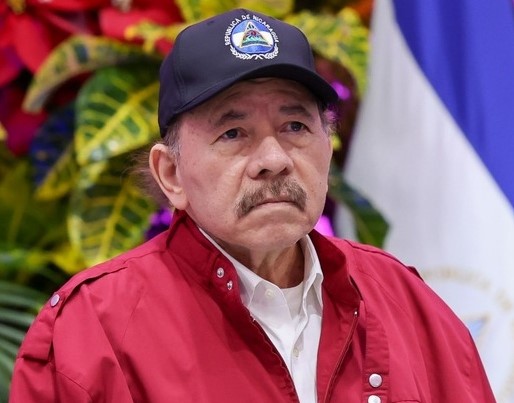
Nicaragua has officially ended visa-free entry for Cuban citizens, a policy change that took effect on Sunday and marks a major shift in regional migration dynamics. The decision brings to a close a policy that, for several years, allowed tens of thousands of Cubans to travel to Nicaragua and then continue north through Central America on their journey toward the United States.
The Nicaraguan government confirmed the change through an official statement, signaling that Cuban nationals will now be required to obtain a visa before entering the country. While the announcement was brief, sources familiar with the matter suggest the move is closely linked to mounting pressure from Washington on the administration of President Daniel Ortega. U.S. officials have long criticized Nicaragua’s visa-free policy for Cubans, arguing that it contributed significantly to irregular migration flows toward the U.S. southern border.
Since Nicaragua removed visa requirements for Cubans in 2021, the country became a crucial entry point for migrants leaving the island amid worsening economic conditions, political repression, and shortages of basic goods. With limited options for legal travel, many Cubans used Nicaragua as a gateway, flying into Managua and then embarking on a dangerous overland journey through Honduras, Guatemala, and Mexico. This route dramatically reshaped Cuban migration patterns and led to record numbers of Cuban arrivals at the U.S.-Mexico border.
By ending visa-free travel, Nicaragua is expected to sharply reduce the number of Cuban migrants transiting through the country. Analysts say the decision could push migrants to seek alternative routes, potentially increasing reliance on smugglers and exposing travelers to greater risks. At the same time, the move may ease diplomatic tensions between Managua and Washington, which has used sanctions and political pressure to influence Ortega’s policies.
For Cuban citizens, the change represents another significant obstacle to migration at a time when leaving the island has become increasingly difficult. The policy shift underscores how regional political decisions continue to shape migration trends across the Americas, with profound humanitarian and geopolitical implications.







