


 Gold Prices Steady Above $5,000 as Markets Eye Fed Minutes and PCE Inflation Data
  U.S.–Taiwan Trade Agreement Sets 15% Tariff, Boosts Energy and Semiconductor Investment
  Ukraine Secures $8.2 Billion IMF Loan as Tax Conditions Are Eased
  New Zealand House Prices Dip in January Amid Seasonal Slowdown and Severe Weather
  Fed Governor Stephen Miran Warns Tight Monetary Policy Threatens U.S. Economic Growth
  U.S. Inflation Cools in January as Gas Prices Fall, Core CPI Signals Sticky Price Pressures
  Asian Markets Consolidate Gains as Japan GDP Disappoints and Fed Rate Cut Bets Rise
  UK House Prices Hold Steady in February as Rightmove Reports Post-Budget Market Stability
  Gold and Silver Prices Slip After Strong U.S. Jobs Data, Fed Rate Cut Bets Fade
  Oil Prices Steady but Head for Weekly Loss as Supply Glut Concerns Weigh
  Yen Pulls Back After Rally as Fed Rate Cut Bets Support Dollar Stability
  Japan Signals Openness to Gradual BOJ Rate Hikes as Deflation Era Ends
  Japan GDP Growth Slows Sharply in Q4 2025 Amid Weak Business Spending and Trade Tensions
  Japan, U.S. Speed Up Talks on $550 Billion Investment Deal Amid Tariff Pressure
  Asian Stock Markets Trade in Narrow Range as Japan GDP Misses Forecasts, Hang Seng Gains
  Asian Currencies Trade in Tight Range as Dollar Steadies; Yen Slips on Weak Japan GDP
  Oil Prices Steady as Iran-U.S. Nuclear Talks and OPEC+ Output Plans Shape Market Outlook


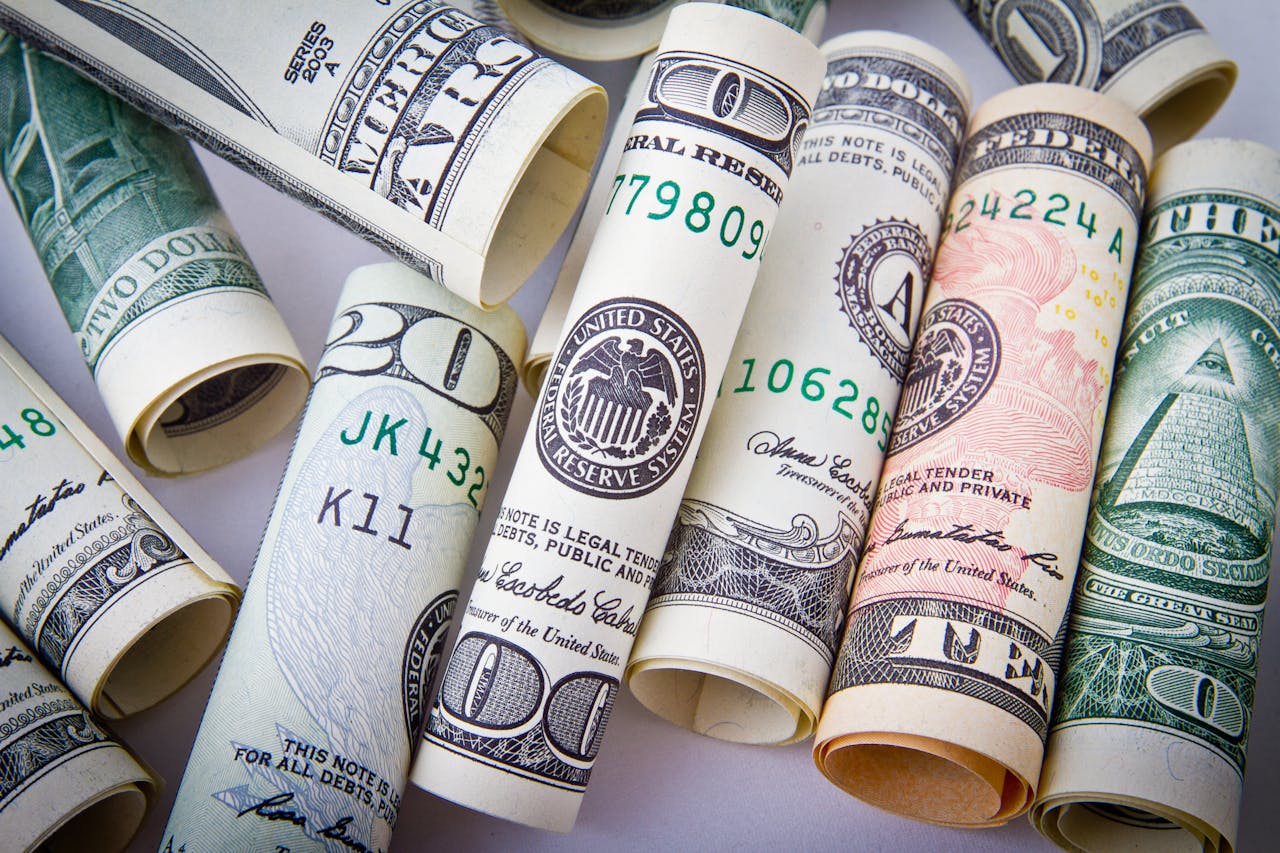
The U.S. dollar weakened on Monday after the Supreme Court struck down a broad range of former President Donald Trump’s tariffs, a move investors interpreted as supportive for global economic growth. Currency markets reacted cautiously, however, as geopolitical tensions involving Iran and ongoing trade uncertainty limited sharper swings.
The euro climbed 0.4% to $1.1820 during the Asia session, while the British pound rose 0.3% to $1.3516. The Japanese yen strengthened as the dollar fell 0.4% to 154.40 yen. Trading volumes were lighter due to a public holiday in Japan and China’s Lunar New Year break. Meanwhile, the safe-haven Swiss franc surged 0.5% to 0.7727 per dollar, reflecting continued demand for defensive assets.
Currency strategists noted that the court’s decision could ease pressure on global trade by limiting U.S. tariff authority. Analysts at OCBC Bank said the ruling may benefit non-U.S. growth, which in turn weighs on the dollar. However, the long-term foreign exchange outlook remains uncertain. Reduced tariff revenue could strain the U.S. fiscal position, potentially pressuring the dollar further, while constraints on executive trade power may reduce policy volatility.
Trump responded to the ruling by criticizing the court and introducing a temporary 15% blanket tariff on imports for 150 days. Legal experts expect extended litigation and policy uncertainty as the administration seeks alternative revenue measures. Bond investors are closely monitoring fiscal discipline, particularly as government spending remains elevated.
The New Zealand dollar edged higher near $0.60, while the Australian dollar dipped slightly to $0.7070. European officials also urged the U.S. to honor prior trade agreements that included zero tariffs on select goods.
Despite earlier expectations that tariffs would strengthen the dollar, the currency has fallen more than 9% this year. Investors have shifted focus toward potential interest rate cuts, rising U.S. deficits, and ongoing trade policy uncertainty, reshaping the global currency market outlook.













